
 EN
EN
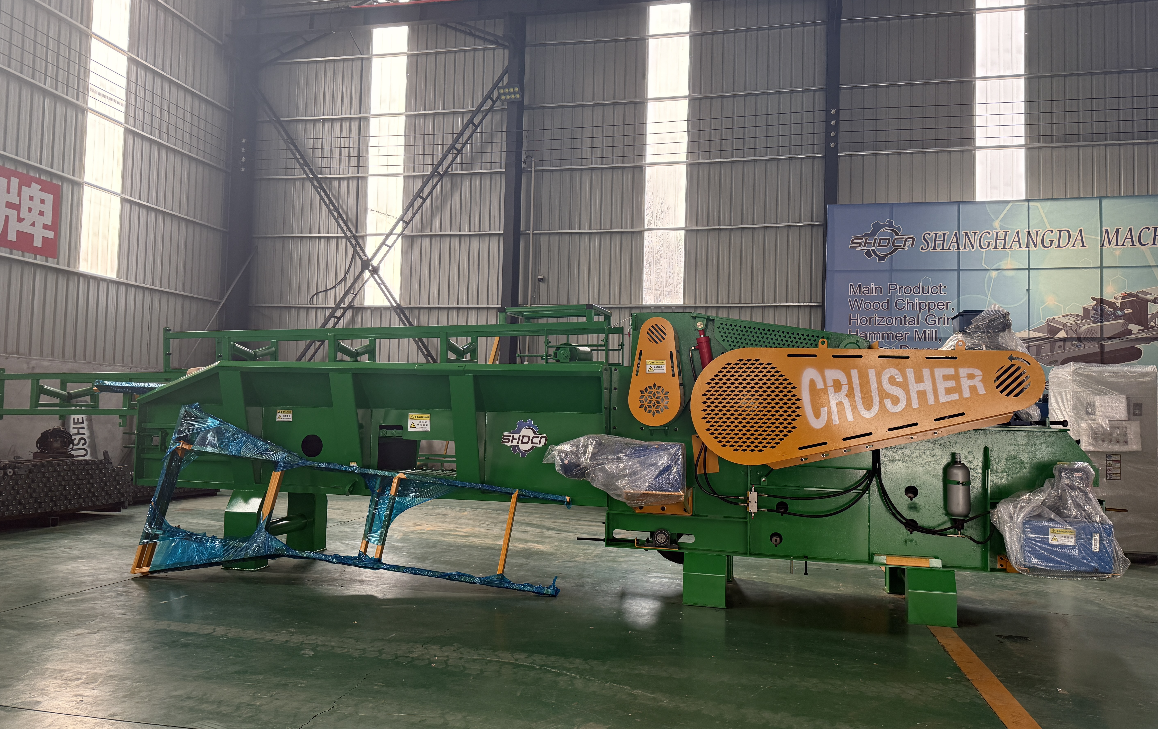
Diagnose Mechanical Feed System Failures
Hydraulic infeed system not responding: pressure, valve, and pump diagnostics
If the hydraulic infeed system on a wood chipper starts acting up, the first thing to check is pressure levels. Operators should grab those calibrated pressure gauges and compare what they're seeing with what the manufacturer specs call for. When there's a steady drop in pressure, that usually means one of three things: worn out pumps, leaks inside the system, or maybe something is blocking the directional valves. Pay attention to unusual noises too. A high pitched whine might be cavitation happening, while a hissing sound could mean air is getting into the system somewhere. Both problems will eventually cut down on how efficiently the hydraulic fluid moves through the system. For directional valves, test how well the solenoids respond. Most failures here come down to either electrical issues or dirt and debris building up in the hydraulic fluid over time. Checking pump output against normal flow rates gives another clue. If the system isn't pumping at least 85-90% of its original capacity, then replacement is probably on the horizon. Keep an eye on oil temperature as well. Temperatures regularly climbing past 180 degrees Fahrenheit start breaking down seals faster than normal and thinning out the oil, which puts extra strain on everything else in the system.
Feed roller issues: slippage, insufficient torque, or misalignment
When feed rollers start acting up, operators usually notice problems like material slipping off track, erratic feeding speeds, or chips coming out all over the place. Start by checking the drive chain tension according to those technical manuals everyone keeps around. The standard rule of thumb is about half an inch (around 12 mm) of give right in the middle of the chain. If there's slippage related to torque issues, take a look at the gearbox oil levels and compare the motor's current draw to what's listed on the nameplate. Motors pulling too much power for long periods often point to something wrong mechanically, maybe overloaded parts or bearings dragging. Roller misalignment shows itself through uneven wear patterns on one side versus the other. Get those laser alignment tools out for serious jobs, aiming for less than 0.005 inches (about 0.127 mm) of wobble. And remember to swap out those crowned rollers once they've worn down past 1/8 inch (roughly 3 mm). Once that happens, grip strength drops dramatically by around 40%, which just leads to more frequent slippage down the road.
Clutch engagement faults and spout ejection failures
When clutches start disengaging while running, most often it's because the friction plates are worn out, the pneumatic seals have degraded over time, or there just isn't enough pressure getting to the actuator. Technicians should always check the air supply first at those clutch actuators. If the pressure drops below 80 psi (around 5.5 bar), that means the clutch won't fully engage and will lose torque when needed. With centrifugal clutches specifically, look at both the spring tension and how thick those shoe linings still are. Time to replace them once they get thinner than 1/8 inch (about 3 mm). Another common problem comes from blocked spouts which send false disengagement signals because they mess up the normal flow feedback system. Safety first though - never try clearing jams without proper lockout/tagout procedures in place. Smart shops install optical or ultrasonic sensors right before the spout area so they can catch flow problems early on and stop bigger issues from happening down the line.
Assess Material Compatibility with Your Wood Chips Machine
Moisture content, wood density, and feedstock geometry causing inconsistent intake
Most feeding problems actually stem from material issues rather than equipment failures. When green wood has too much moisture (over 35%), it tends to compress instead of cutting properly, which makes things really jam up the chutes. On the flip side, when timber gets too dry below 15% moisture content, it creates all sorts of fine dust that sticks everywhere on the rollers and hydraulic components, messing with grip and cooling efficiency. The different densities between woods also create headaches for machinery operators. Hardwoods such as oak need roughly 40 percent more power compared to similar sized softwoods, so there's always that risk of slippage happening whenever the feeding settings push beyond what the system was designed to handle.
Feedstock geometry introduces additional failure modes:
- Branches with curvature >30° jam at compression points in the infeed throat
- Diameter exceeding the machine’s rated max causes feed mechanism stall
- Mixed-length debris creates bridging in hoppers, starving the rotor
A 2023 Particle Science study found 68% of reported “mechanical failures” were attributable to feedstock mismatch—not component wear—underscoring the need to validate moisture, density, and geometry against OEM capacity charts before startup.
Clear Blockages in Critical Feed Pathways
Safe disengagement and clearing of clogged infeed chute and rotor housing
When stuff gets stuck in either the infeed chute or rotor housing area, production stops dead in its tracks and serious damage can happen too. Think things like broken shear bolts or an imbalanced rotor spinning out of control. Before doing anything else, make sure everything is properly isolated first. Cut off all electricity, bleed down those hydraulics until there's absolutely no pressure left, and lockout tagout every single energy source available. If something is blocking the chute, grab a hooked rod that won't scratch surfaces and carefully pull out whatever material has built up inside. Don't ever stick anything into areas where parts are still moving or anywhere close to those hydraulic cylinders though! Most rotor housing jams come from feedstock that's too wet, full of knots, or just plain too big for the machine. To fix these issues, workers need to remove the shear bolts first then rotate the rotor backwards by hand with proper crank tools. Never try starting it with the motor! According to actual experience at several biomass plants across the Midwest, regular checks on wear plates combined with installing moisture sensors set to reject anything above 30% moisture content cuts repeat blockage problems down by around two thirds. That kind of maintenance makes a huge difference in keeping operations running smoothly without constant interruptions.
Verify Cutting Component Integrity to Prevent False Feed Failure
Dull knives, worn anvils, or improper knife-to-anvil clearance mimicking wood chips machine feeding issues
Worn cutting components are a frequent source of false feed failure alarms. Dull knives or eroded anvils increase processing resistance, forcing the machine’s control system to interpret normal load spikes as feed blockages. Key diagnostic clues include:
- Inconsistent chip size despite uniform feedstock
- Motor overheating without corresponding amperage surges
- Intermittent stalling that clears after reset but recurs within minutes
When the gap between knife and anvil goes beyond 2 to 3 mm, it really cuts down on how well the shearing works and makes the load much less predictable. Maintenance staff need to check if blades are still sharp every month with those special edge measuring devices and also get accurate readings of the clearance space using the feeler blades that come from the factory specs. Always replace knives together in pairs and either repair or swap out any worn anvils to bring back proper cutting alignment. Doing this regularly stops those annoying false feed warnings and can make both knives and anvils last around 40 to maybe even 60 percent longer before needing replacement. Don't forget to do a torque check on all the bolts holding the knives in place every three months with proper calibration equipment too. Bolts that aren't tightened enough create major safety problems once machines start running at full speed.
FAQ
What causes feed roller issues in wood chippers?
Feed roller issues can be caused by material slipping off track, erratic feeding speeds, or misalignment. Checking drive chain tension, gearbox oil levels, and motor's current draw can help diagnose these problems.
How can I verify cutting component integrity?
Regularly check blades for sharpness and measure knife-to-anvil clearance. Replace worn knives and anvils to ensure proper cutting alignment and prevent false feed failure alarms.