
 EN
EN
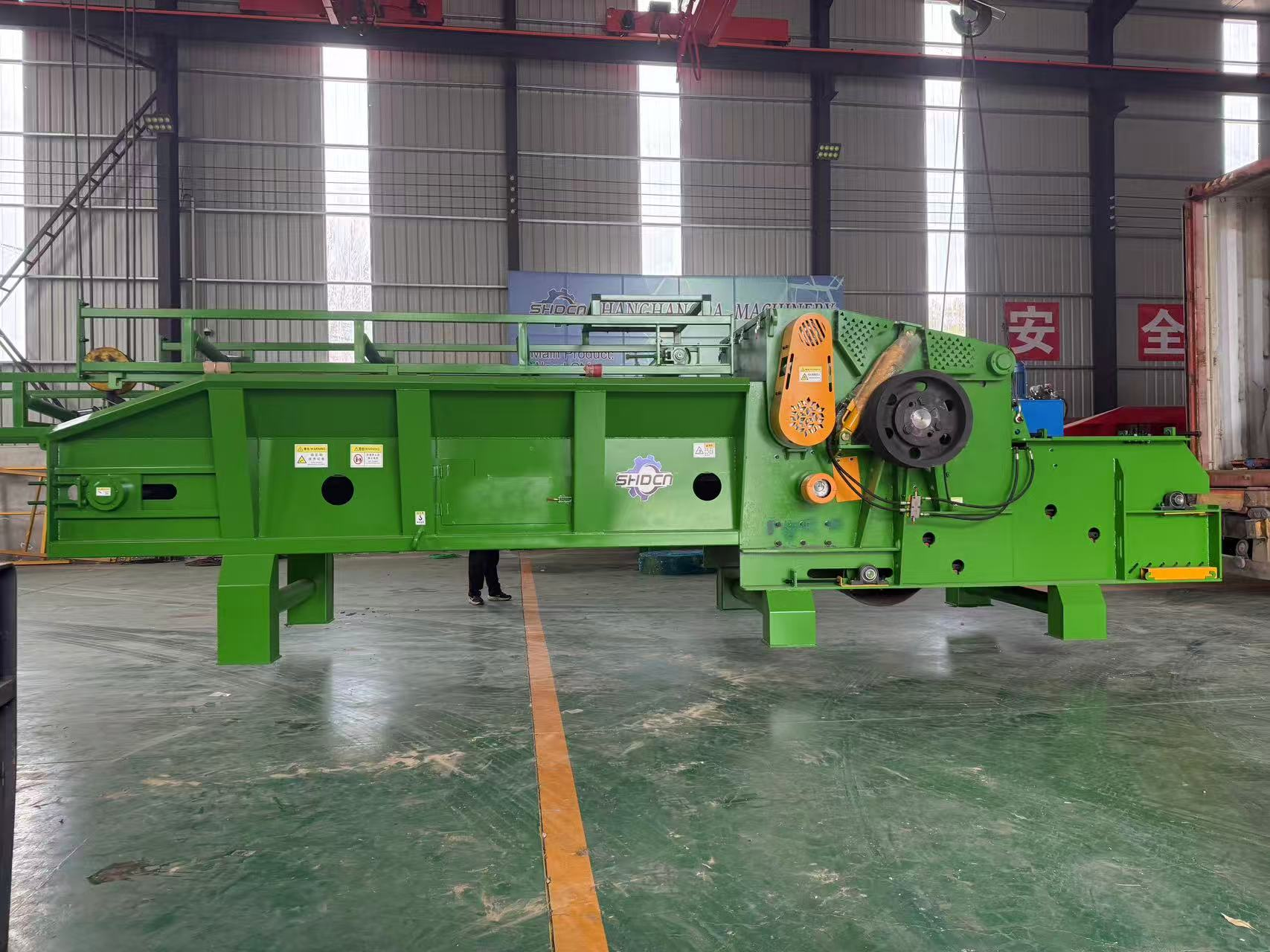
Engine Power and Real-World Operational Performance
Matching kW/HP Output to Load Variability in Industrial Applications
Wood shredder chippers have to handle all sorts of different materials, from flimsy pallets right up to thick hardwood stumps. That's why looking at maximum horsepower numbers doesn't really tell us much about how well these machines actually perform in real conditions. What matters most is how torque behaves when things get compressed. Remember that old formula HP equals Torque times RPM divided by 5252? Well, this explains why engines that maintain around 90% of their rated torque at 1,800 RPM work better than those with high peak HP but torque that drops off quickly. Tests in actual working environments show shredders with good flat torque curves jam about 22 percent less often when dealing with mixed loads. The best performing models tend to sit somewhere between 120 and 150 kW in power output while still providing decent torque across various speeds. These machines handle everything from softwood scraps to stubborn oak branches without missing a beat.
Torque Response, RPM Stability, and Fuel Efficiency Under Sustained Duty Cycles
Modern turbocharged diesel engines excel in low-RPM torque retention—a critical advantage for continuous 8-hour shifts. Comparative analysis of 200+ kW industrial units shows:
| Performance Factor | Traditional Engine | Modern Turbocharged Engine | Operational Advantage |
|---|---|---|---|
| Torque at 1,600 RPM | 850 Nm | 1,100 Nm | 30% faster material engagement |
| RPM Drop Under Load | 18–22% | 8% | Consistent particle size distribution |
| Fuel Use per Ton | 5.3 L | 4.1 L | 23% lower operational costs |
Hydraulic drive systems further cut fuel use by 15–18% during partial loads—refuting the misconception that high-output engines inherently sacrifice efficiency. Electronic governor controls maintain RPM within ±2%, preventing overload shutdowns during demanding tasks like pressure-treated wood processing.
Reduction Ratio and Output Quality for Biomass Usability
Particle Size Distribution (PSD) Consistency Across Hardwood, Softwood, and Mixed Feedstocks
Getting consistent particle size distribution (PSD) really matters when it comes to using biomass for things like making biofuels, compost, or thermal processes. Hardwood tends to give bigger chunks because of how dense and fibrous it is. Softwood makes smaller, more regular pieces generally speaking, though operators need to tweak settings so they don't end up with oversized bits. When working with mixed materials like oak and pine together, there's just way more variation in PSD sizes. Systems that aren't properly set up can see deviations of around 40% sometimes. The good news? Better quality shredder chippers manage to keep PSD within about 15% across different materials by adjusting torque on the fly and keeping an eye on conditions in real time. This kind of control makes sure everything works smoothly further down the processing line without causing headaches later on.
Screen Configuration and Rotor Design Impact on Fines Generation and End-Use Suitability
The shape and size of screen openings play a major role in how much fine material gets created during processing, which ultimately affects whether the product works well for its intended purpose. When dealing with tough woods like oak or maple, diamond pattern screens cut down on those tiny particles under 3mm by around 22% compared to traditional round hole screens. At the same time, arranging hammers in a staggered rotor setup helps keep materials moving through the system instead of getting stuck and recycled, plus saves energy in the process. Biomass boiler operators who need chips between 15 and 30 mm should watch their rotor speed though. Keeping tips under 45 meters per second maintains better chip quality and retains more heat value in the fuel. Another smart move? Installing reversible wear plates. These last about three hundred extra hours before needing replacement, which means fewer shutdowns for maintenance and lower overall costs without sacrificing production rates or meeting quality standards.
Feed System Reliability and Throughput Consistency
Hydraulic vs. Gravity Feed: Jamming Frequency, Cycle Time, and Operator Intervention Rate
How we design feed systems really affects how reliably operations run day to day. Take hydraulic feed systems for example they only get stuck around 0.3 times every 100 hours of work compared to gravity-fed ones which jam about 1.2 times as often according to Industrial Processing Quarterly last year. The adjustable pressure rollers can handle all sorts of odd sized materials too, which means operators don't need to step in as much during long runs. Studies show this cuts down on manual interventions by roughly two thirds when running multiple machines at once. On the flip side, those old school gravity-fed chippers require someone constantly watching them to unclog things whenever big branches or messy debris get stuck. This tends to slow everything down by about 15 to maybe even 20 percent when working with mixed hardwoods. After full eight hour shifts, hydraulic systems still maintain nearly all their rated capacity while gravity systems fluctuate quite a bit in output because of these repeat jams. Facilities looking to maximize uptime and save on labor costs will find that investing in hydraulic feed pays off over time, even though it costs more upfront.
Verified Throughput Capacity Under Realistic Mixed-Waste Conditions
Throughput Decay Analysis: From Rated Tonnage to Actual Output with 30% Green Limb + 70% Pallet Debris
The throughput numbers manufacturers claim don't really match what happens when dealing with mixed waste materials. Take a standard mix of about 30% green limbs and 70% pallet debris for example. Real world results tend to drop somewhere between 15 to 30 percent below those official ratings. Why does this happen? Well, there are several reasons that all tie together. First off, green wood contains so much moisture that it creates extra friction inside the machine and slows down how fast chips get ejected. Then we have those pesky nails and metal parts stuck in the waste stream that just eat away at hammer components and screening systems over time. And let's not forget about the size inconsistency problem either, which means operators end up running material through multiple times and dealing with buildups. Looking at actual operation data from biomass facilities in 2023 reveals something telling too. Equipment advertised as handling 20 tons per hour usually manages only around 14 to 17 tons per hour when faced with continuous mixed waste flows. So anyone trying to plan production capacity needs to remember to knock down those manufacturer specs by roughly 25% when working with diverse waste streams.
Long-Term Performance: Durability, Maintenance, and Sustainable Operation of a Wood Shredder Chipper
MTBF Benchmarks for Critical Wear Components (Hammers, Screens, Bearings)
When it comes to measuring how long parts will last under stress, manufacturers look at something called MTBF, which stands for Mean Time Between Failures. Hammer blades typically need replacing or sharpening after about 500 to 800 hours of operation. The wear-resistant screens tend to hold up longer, lasting around 1,000 to 1,200 hours when working with mixed hardwood materials. Rotor bearings are especially important for keeping torque stable during operation. These bearings can reach over 1,500 hours if properly maintained according to ISO 281 lubrication guidelines. Some field research has shown that components don't last nearly as long when dealing with pressure treated pallet wood compared to clean timber. The difference is roughly 40% shorter life expectancy, mainly because these old pallets often contain bits of metal that speed up wear and tear on equipment.
Total Cost of Ownership: Labor, Regulatory Compliance (EPA/CARB), and Carbon Footprint Implications
The total cost of ownership goes way beyond just what something costs when bought new. Take Tier 4 Final engines for instance they slash particulate emissions down by around 90 percent compared to older models according to the U.S. Environmental Protection Agency from last year. This means businesses face much lower chances of getting fined for not following regulations those fines can hit upwards of $140 thousand each year in areas where enforcement is strict. Regular maintenance takes about 15 to 25 man hours every month but keeps most unexpected breakdowns at bay. Switching to electric versions cuts carbon dioxide emissions by roughly 8.2 tons per year over traditional diesel options which is kind of like having 52 fully grown trees doing their thing naturally. Keeping screens properly calibrated and operating with responsive torque settings also helps save energy because it stops particles from separating out and getting recirculated unnecessarily.
FAQ
Why is torque more important than horsepower in wood shredders?
Torque is crucial for handling compressed materials and ensuring continuous performance under varying loads, whereas horsepower alone does not give a complete picture of real-world machine capabilities.
How does feed system design impact operational efficiency?
Hydraulic feed systems are less prone to jamming and require fewer operator interventions compared to gravity-fed systems, enhancing reliability and throughput consistency.
What influences the throughput capacity in mixed-waste conditions?
Factors like moisture content, metal debris, and size inconsistency can reduce throughput capacity, which often falls 15 to 30 percent below manufacturer ratings.
What is the impact of Tier 4 Final engines on regulatory compliance?
Tier 4 Final engines significantly reduce particulate emissions, lowering the risk of regulatory fines and improving compliance with environmental standards.
Table of Contents
- Engine Power and Real-World Operational Performance
- Reduction Ratio and Output Quality for Biomass Usability
- Feed System Reliability and Throughput Consistency
- Verified Throughput Capacity Under Realistic Mixed-Waste Conditions
- Long-Term Performance: Durability, Maintenance, and Sustainable Operation of a Wood Shredder Chipper
- FAQ