
 EN
EN
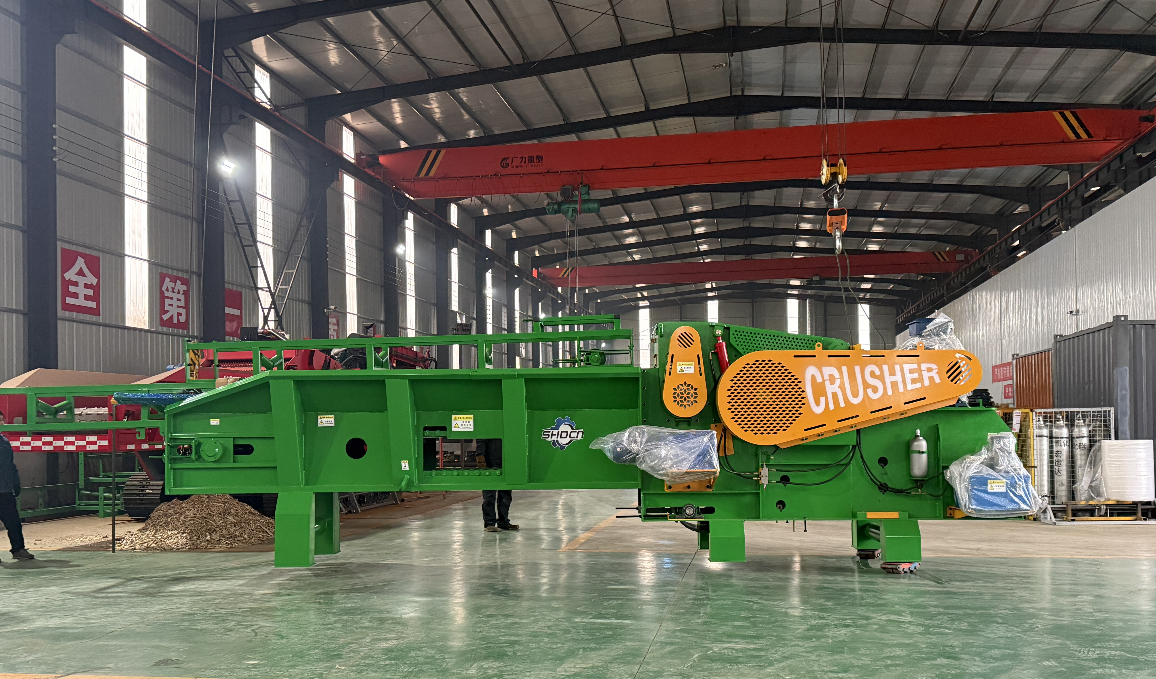
Core After-Sales Support Pillars for Wood Shredder Machine Buyers
On-Site Commissioning and Operator Training
Proper installation and training directly impact operational efficiency, safety, and machine longevity. Research shows untrained operators increase breakdown likelihood by 40% and reduce equipment lifespan by 30% due to incorrect handling. Comprehensive commissioning includes:
- Machine calibration for optimal material throughput and consistent chip sizing
- Safety protocol drills, including emergency shutdowns and safe jam-clearing procedures
- Maintenance fundamentals, such as blade sharpening intervals, bearing lubrication schedules, and screen inspection criteria
- Troubleshooting simulations for common feed issues—like wet wood bridging or oversized branch jams
A single misconfigured wood shredder can cost an average of $44,000 monthly in lost productivity, energy overconsumption, and inconsistent output quality.
Spare Parts Availability with Guaranteed Lead-Time SLAs
Component failures drive 78% of unplanned downtime in biomass operations. Leading manufacturers now back parts availability with enforceable Service Level Agreements (SLAs), ensuring predictable recovery times:
| Support Tier | Parts Delivery SLA | Downtime Impact |
|---|---|---|
| Basic | 10–15 business days | 12–18 production days lost |
| Premium | 72 hours | <4 production days lost |
| Critical Parts | 24-hour emergency | <8 operational hours lost |
Guaranteed lead-times on high-wear components—hammers, screens, and bearings—reduce annual downtime costs by 63%, according to peer-reviewed case studies from industrial biomass facilities.
Remote Diagnostics and Real-Time Technical Support
Modern wood shredders integrate IIoT sensors that enable predictive maintenance and remote intervention. One midwestern biomass plant using encrypted remote access achieved:
- A 62% reduction in MTTR (Mean Time to Repair) through real-time vibration analysis
- A 47% decrease in unexpected failures via hydraulic pressure and torque monitoring
- Remote resolution of 81% of operational alerts—eliminating unnecessary site visits
Technicians guide operators in real time—for example, “Adjust hydraulic pressure to 2200 PSI” or “Replace screen #3A based on fatigue stress patterns.” This proactive model prevents minor anomalies from escalating into multi-day stoppages.
How Business Scale Shapes Wood Shredder Machine Support Requirements
Tailored Support Tiers: Small Contractors vs. Industrial Biomass Facilities
The size of operations really determines what kind of after sales support makes sense. For smaller contractors handling less than five tons each day, they want something affordable yet quick to respond to problems like regular maintenance checks and getting replacement parts delivered within a day. On the flip side, big biomass plants running nonstop all week long need serious commitments when it comes to keeping things running smoothly. These facilities typically demand guaranteed responses within four hours if someone shows up onsite, have technicians standing by specifically for them, plus constant monitoring from afar through digital systems. When machines shred at high volumes, parts like rotors, bearings, and hammers just wear out faster, so predicting when maintenance is needed becomes absolutely necessary rather than something extra. Plants moving over twenty tons an hour find value in having local stockpiles of important parts ready nearby for immediate swaps. If companies don't offer different levels of support tailored to operation sizes, then small businesses end up paying too much for services they barely use, whereas bigger operations face massive financial hits whenever equipment stops working, sometimes losing upwards of five thousand dollars every single hour lost. That's why manufacturers should adjust their entire approach to customer service training, how parts get shipped around, and what happens during emergencies based on how much material gets processed, how intense the shredding activity is, and whether continuous operation matters most for particular sites.
The Real Cost of Weak After-Sales Support for Wood Shredder Machines
Downtime Impact: Quantifying Uptime Loss Without Formal SLA Coverage
When wood shredders break down, operators who don't have proper Service Level Agreements suffer serious drops in productivity. Facilities dealing with these unexpected shutdowns lose around $740k every year just from lost production time and those costly emergency fixes according to Ponemon Institute research from last year. Plants without guaranteed response times through their SLAs tend to sit idle for about 15% longer periods compared to operations covered by solid agreements. This extra downtime really hurts businesses because it pushes back deliveries and makes customers question whether they can rely on timely service. The main reasons behind these problems?
- Uncoordinated repairs, with technicians arriving 48–72 hours after failure reports
- Parts scarcity, where critical components take 5–8 business days to source
- Diagnostic inefficiency, with 67% of unresolved issues requiring multiple site visits
Without binding uptime guarantees, maintenance remains reactive—undermining reliability, margin stability, and long-term competitiveness in the biomass processing market.
Predictive Maintenance Success: How One Biomass Plant Cut MTTR by 62%
A Midwest biomass facility transformed its maintenance strategy after recurring wood shredder breakdowns. By integrating IoT sensors and machine learning analytics, it reduced MTTR by 62%—slashing average repair time from 8.2 to 3.1 hours per incident and extending equipment lifespan by 23 months. Their predictive program included:
| Strategy | Implementation | Outcome |
|---|---|---|
| Real-time monitoring | Vibration sensors on rotor bearings | 85% fewer bearing failures |
| Failure forecasting | ML algorithms analyzing torque and amperage trends | 3-week advance failure alerts |
| Preemptive parts replacement | Inventory aligned with wear-cycle data | 40% lower emergency parts costs |
The facility now redirects $180,000 annually from reactive repairs toward capacity expansion—demonstrating how predictive maintenance converts operational cost centers into strategic growth levers.
FAQ
Why is operator training crucial for wood shredder machines?
Proper operator training ensures the efficient, safe use of machines and prolongs their lifespan, reducing the risk of breakdowns by 40% and extending equipment life by 30%.
What are SLAs and why are they important?
Service Level Agreements (SLAs) are promises by manufacturers for timely parts delivery and repair services, minimizing downtime and ensuring operational continuity.
How do IIoT sensors enhance wood shredder machine maintenance?
IIoT sensors provide real-time monitoring, enabling predictive maintenance, reducing Mean Time to Repair (MTTR), and preventing failures before they occur.
How does business scale affect after-sales support needs?
Smaller operations need affordable, rapid support services, while larger facilities require more robust and immediate support due to higher demands and potential financial loss from downtime.
What are the consequences of not having formal SLA coverage?
Without SLAs, businesses risk increased downtime, reduced productivity, and higher costs, as there are no guaranteed response times for repairs or parts delivery.