
 EN
EN
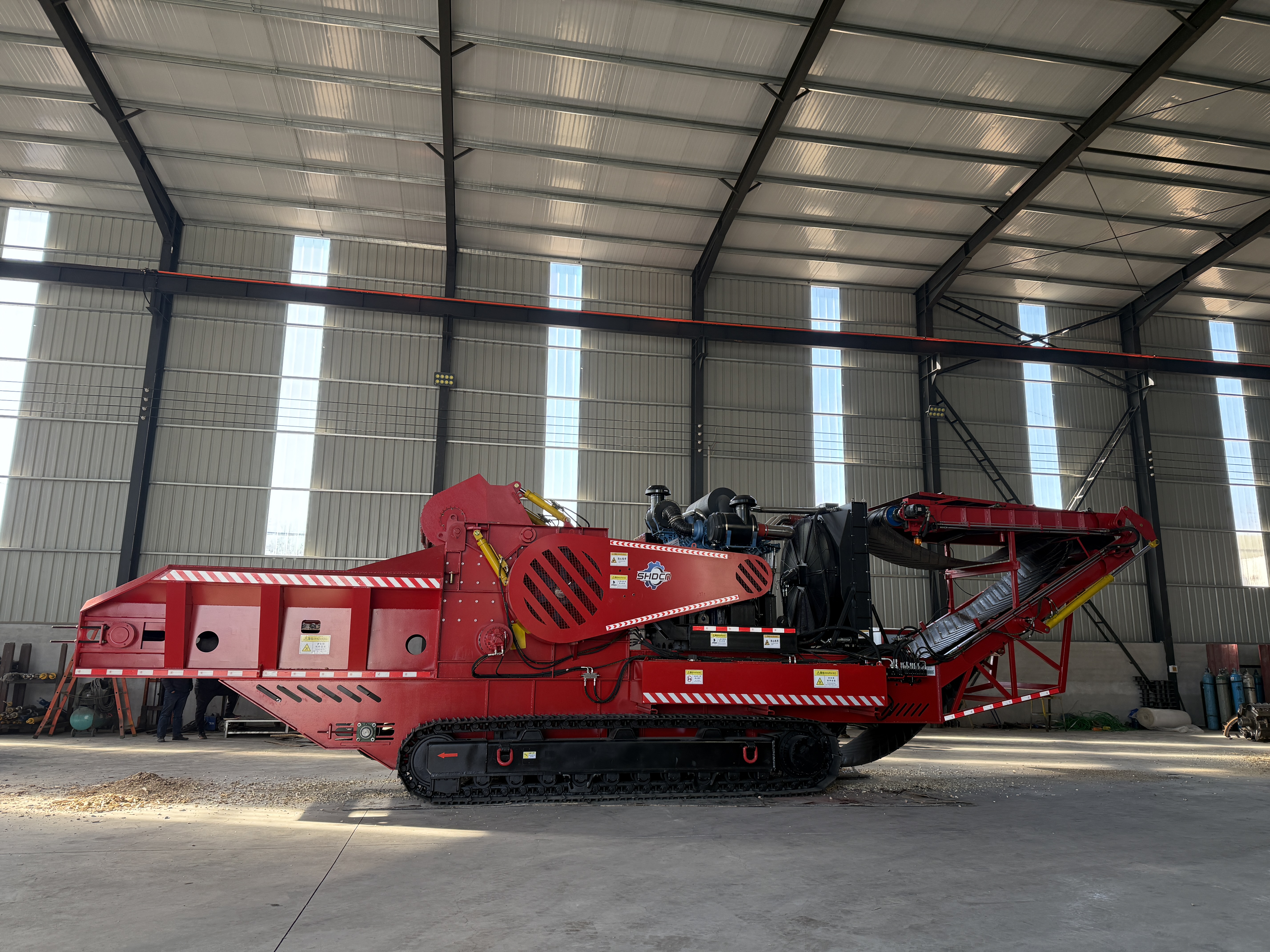
Daily Horizontal Grinder Inspections: Visual Checks and Immediate Risk Mitigation
Spotting Hydraulic Leaks, Electrical Hazards, and Debris Buildup
Starting every shift with a quick 10 minute walk through those trouble spots makes good sense. Keep an eye out for any hydraulic fluid dripping or those telltale oily patches near connections. A small leak left unnoticed can bring down the whole system in just a few hours when things get busy. When checking electrical panels, watch for wires sticking out, rust building up, or water getting in anywhere it shouldn't be. These issues are real fire hazards waiting to happen. Don't forget to sweep away that biomass dust and other gunk from engines and exhaust systems either. Believe it or not, these buildup problems account for well over 30 percent of fires in wood processing plants. And remember to jot down what gets found during inspections. Good records help spot patterns early before bigger problems develop later on.
Key Daily Walkaround Points: Feed Hopper, Discharge Area, and Control Panel
Prioritize three critical zones during your walkaround:
- Feed Hopper: Confirm no material obstructions or structural cracks; test emergency stop functionality.
- Discharge Area: Check conveyor belt alignment and ensure discharge chutes are free of blockages.
- Control Panel: Verify error logs are clear and all gauges reflect normal operating ranges.
This targeted protocol takes under 15 minutes and prevents an estimated 68% of unplanned downtime, according to equipment reliability studies.
Weekly Horizontal Grinder Engine & Cooling System Service
Weekly maintenance of the engine and cooling system sustains performance, extends service intervals, and reduces thermal stress on critical components.
Oil Changes, Coolant Level Verification, and Air Filter Replacement
Hydraulic oil should be changed roughly every 50 hours of operation. Before putting old oil back into service or throwing it away, always check if it still has the right thickness. Coolant is another important component to monitor regularly. Look at the level markers on the tank and inspect how clear the liquid appears. If it looks cloudy or has odd coloring, that usually means something bad is happening inside the engine and could lead to rust problems down the road. For machines working in dusty conditions, air filters need replacing somewhere between seven to ten days apart. When these get blocked, fuel consumption goes way up according to some industry reports from last year which noted around a 7% drop in efficiency. Keeping track of used filters matters too. Having separate containers specifically for old filters makes things much easier when it comes time for maintenance checks and helps prevent delays in getting fresh ones installed.
Radiator and Fan Cleaning to Ensure Optimal Thermal Management
Radiator fins should be cleaned once a week with compressed air set below 30 PSI to get rid of dust, plant debris, and those pesky insects that tend to accumulate there. Check the fan blades regularly too looking for any signs of damage like cracks, warping issues, or if they seem off balance somehow. The gap between the blades and shroud needs to stay at least a quarter inch clear. Did you know? Overheating problems cause about one third of all engine failures according to Diesel Tech Quarterly from last year. Make sure nothing blocks the airflow around those cooling components because blocked airflow leads to faster component wear and can actually reduce performance due to heat buildup over time.
Biweekly Horizontal Grinder Hog Box and Rotor Integrity Assessment
Hammer Tip Wear, Liner Condition, and Rotor Balance Verification
Biweekly assessment of the hammer mill grinding chamber (HOG box) and rotor system is essential to avoid catastrophic failures, safety hazards, and throughput loss.
- Hammer Tip Wear: Inspect all hammer edges for erosion or chipping. Replace hammers when wear reaches approximately 30% of original thickness—typically every 200–500 operating hours—to reduce energy consumption by 12% (Ponemon Institute, 2023). Rotate hammers to unused edges if wear is uneven.
- Liner Integrity: Examine wear plates and screens for cracks, perforations, or excessive thinning. Compromised liners allow oversized material into downstream systems, contributing to $740k in annual unplanned outage costs across typical operations.
- Rotor Balance: Conduct dynamic balance verification using vibration analysis tools. Imbalances exceeding 6.3 mm/s (per ISO 10816 standards) accelerate bearing wear by 40%. Immediately redistribute hammers or install counterweights if thresholds are exceeded.
Neglecting these checks risks rotor misalignment, which strains drive components and shortens equipment lifespan by 18–24 months. Consistent verification maintains throughput, safeguards personnel from flying debris, and preserves shredding consistency.
Monthly Horizontal Grinder Drive and Conveyor System Maintenance
Chain Tension, V-Belt Condition, Sprocket Alignment, and Conveyor Tracking
Monthly attention to drive and conveyor systems prevents slippage, misalignment, and premature component failure.
Checking chain tension is essential maintenance work. When there's too much slack, it really wears down those sprockets and bearings faster than normal. On the flip side, if the chain is way too tight, it puts unnecessary stress on motors and shafts that nobody wants to deal with later. Now take a look at those V-belts. Watch out for any signs of damage like cracks running through them, frayed edges, or that shiny glaze appearance. Old belts need replacing before they start slipping around, which can seriously slow things down maybe even drop production rates significantly. Grab a straight edge tool to check how aligned those sprockets actually are. Misaligned components lead to all sorts of problems including uneven wear patterns across chains and higher energy consumption during operation. And don't forget about conveyor belt tracking either. Belts that drift off center will rub against metal frames, leading to annoying edge wear plus messy material spills everywhere. Get those tracking rollers adjusted as soon as possible to get everything back on track properly.
| Component | Checkpoint | Consequence of Neglect |
|---|---|---|
| Chains | Tension, lubrication | Sprocket damage, chain failure |
| V-Belts | Cracks, tension | Slippage, power loss |
| Sprockets | Alignment, tooth wear | Chain derailment, vibration |
| Conveyor Belt | Tracking, edge wear | Spillage, belt tearing |
Proactive monthly checks extend component life by 40–60% and significantly reduce unplanned downtime.
Quarterly Horizontal Grinder Wear Parts Audit and Predictive Replacement Planning
Cutter Tips, Screens, Anvils, Wear Plates, and Mill Bearing Lifespan Analysis
A quarterly audit of wear parts enables predictive replacement—identifying degradation before efficiency drops or failures occur.
- Measure cutter tip thickness regularly; replace when wear exceeds 40% of original specifications to preserve shredding capacity and particle consistency.
- Inspect screens for hole enlargement, warping, or distortion; openings deviating by ±2mm across >35% of the surface reduce material uniformity and raise energy use by 12–18% (Comminution Journal, 2023).
- Verify anvil gaps remain ≤5mm—wider gaps cause inconsistent sizing and induce hammer rebound stress.
- Use ultrasonic thickness testing on wear plates; readings below 50% of initial thickness indicate structural compromise.
- Monitor mill bearings via vibration analysis: amplitudes above 4 mm/s signal imminent failure. Supplement with thermographic scans to detect abnormal heat patterns pre-failure.
Keeping tabs on how long equipment runs compared to what the manufacturer says it should last helps maintenance teams spot problems before they become major issues. When we look at how fast parts wear down based on what kind of material goes through them (like concrete versus garden debris), we can adjust when replacements are needed. The whole system works pretty well actually, reducing unexpected breakdowns around 30 percent and giving those rotor assemblies about 200 extra hours of work life. That adds up to somewhere between seven hundred thousand and eight hundred thousand dollars saved over time for each piece of machinery in operation.
FAQ
What are the key daily inspection points for a horizontal grinder?
Focus on inspecting the feed hopper, discharge area, and control panel. Ensure there are no material obstructions, check the conveyor belt alignment, and verify that all gauges and error logs are in normal operating conditions.
How often should hydraulic oil be changed in horizontal grinders?
Hydraulic oil should be changed approximately every 50 hours of operation to ensure optimal performance and avoid system malfunctions.
What is the recommended procedure for cleaning radiator fins?
Radiator fins should be cleaned weekly using compressed air set below 30 PSI to remove dust and debris. This ensures optimal thermal management and prevents overheating.
Why is rotor balance verification important for horizontal grinders?
Rotor balance verification, using vibration analysis tools, is essential to prevent drive component strain and extend equipment lifespan by maintaining proper rotor alignment and reducing energy consumption.
How often should wear parts audits be conducted on horizontal grinders?
An audit of wear parts on horizontal grinders should be conducted quarterly to identify degradation and plan for predictive replacements, thereby avoiding efficiency drops and failures.
Table of Contents
- Daily Horizontal Grinder Inspections: Visual Checks and Immediate Risk Mitigation
- Weekly Horizontal Grinder Engine & Cooling System Service
- Biweekly Horizontal Grinder Hog Box and Rotor Integrity Assessment
- Monthly Horizontal Grinder Drive and Conveyor System Maintenance
- Quarterly Horizontal Grinder Wear Parts Audit and Predictive Replacement Planning
-
FAQ
- What are the key daily inspection points for a horizontal grinder?
- How often should hydraulic oil be changed in horizontal grinders?
- What is the recommended procedure for cleaning radiator fins?
- Why is rotor balance verification important for horizontal grinders?
- How often should wear parts audits be conducted on horizontal grinders?