
 EN
EN
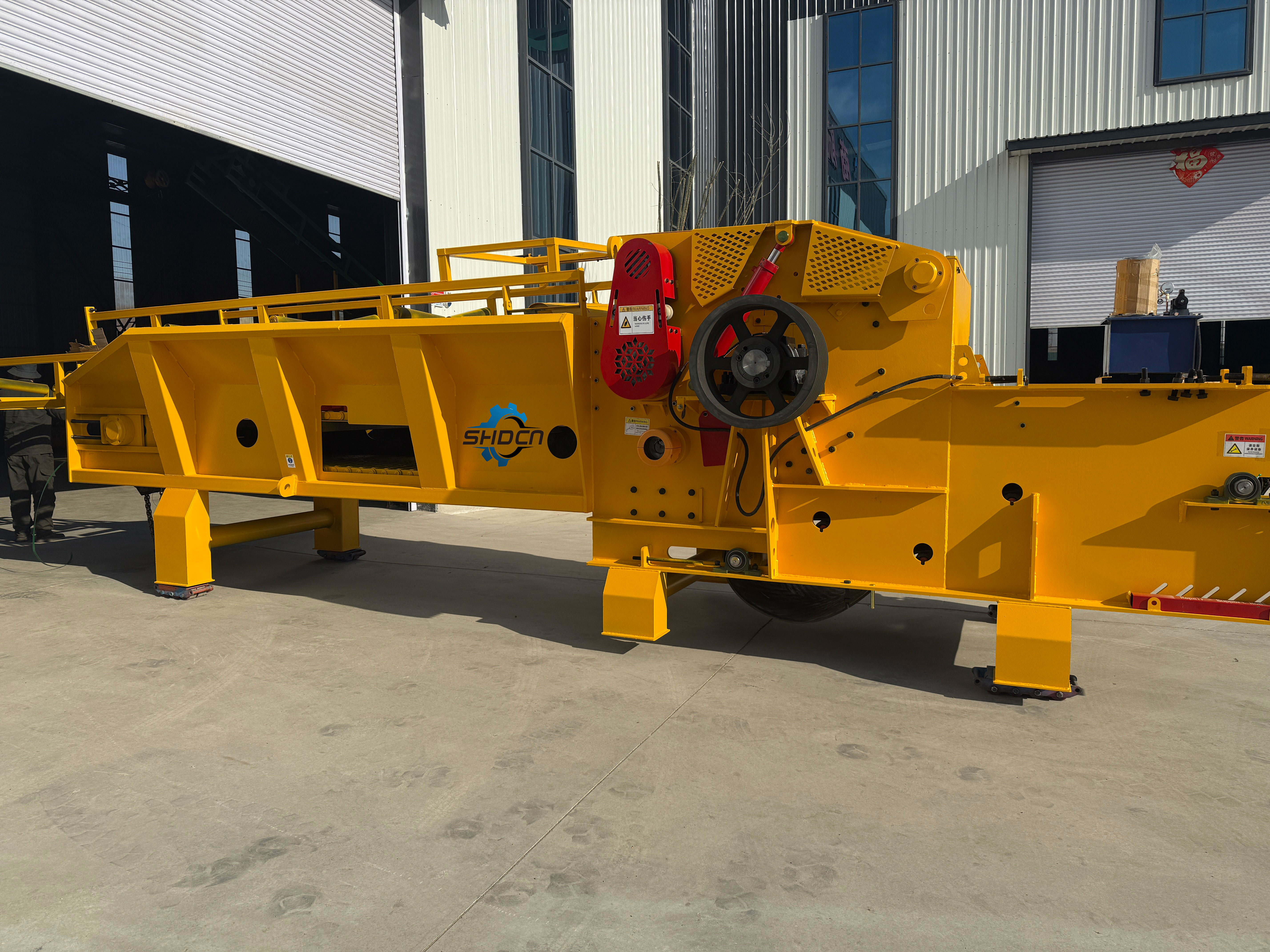
Pre-Transport Preparation for Your Tree Shredder
Visual and Mechanical Inspection: Blades, Bearings, and Hydraulic Systems
Before moving anything around, do a thorough check of the equipment to stop breakdowns while it's being transported. Look at those blades really closely for any cracks, chips, or signs they've been worn down too much because even small damage can weaken them when things start vibrating during transport. Check out those bearings too, make sure they spin freely without resistance and apply whatever lubricant the maker recommends so nothing gets stuck later on. When dealing with hydraulics, take time to look for leaky hoses, double check how much fluid is in there, and ensure every fitting is properly tightened according to what the specs say. Did you know? Around 37 percent of problems during transportation happen because bolts come loose somehow (source: OSHA report from last year). So grab that torque wrench and go through each bolt methodically. And don't forget about cleaning up all the junk that builds up inside cutting areas and along discharge paths. Leftover material can shift around unexpectedly and cause serious issues if not cleared away first.
Securing Moving Parts and Disconnecting Power Sources
Before loading anything onto transport, make sure all parts that move are locked down properly. Use those special pins from the manufacturer to secure rotor assemblies and don't forget to set the parking brake if there are wheels involved. Power needs to be disconnected completely - take off battery connections for diesel machines and unplug electrical systems entirely so nothing starts up accidentally during transit. There's also hydraulic pressure left in many systems, so cycle through the controls somewhere where it won't cause problems first. Put away any loose items such as discharge deflectors into proper storage areas and always put protective covers over sharp blades. Following these basic precautions makes sense because shifting stuff around while transporting accounts for nearly a third of all damage claims according to FMCSA data from last year.
Proper Loading and Weight Distribution for Tree Shredder Transport
Center of Gravity Alignment and Axle Load Limits
Getting the tree shredder balanced properly is essential for safe transport and meeting road rules. When loads aren't balanced right, there's about a 30% higher chance the whole thing could tip over, plus the axles might get overloaded past what's legally allowed. A good trick most folks use is the 60/40 rule. Put around 60% of the shredder's weight in front of those axles and leave 40% behind them. This helps keep the tongue weight just right and cuts down on dangerous swaying during transit. Most standard trailers can handle about 12,000 pounds per axle, but go over that limit and not only does it break DOT rules, but drivers could face serious penalties too – sometimes fines over ten thousand dollars. Before loading anything onto the trailer, double check what the manufacturer says about the maximum weight capacity for the entire vehicle.
Trailer Deck Compatibility: Flatbed vs. Lowboy Considerations
Choose the trailer type based on shredder height and stability needs:
- Flatbed Trailers: Best for lower-profile units. Their rigid decks offer strong lateral stability but limit vertical clearance to 13.5 ft.
- Lowboy Trailers: Recommended for shredders over 10 ft tall. The depressed deck lowers the CoG by 25%, significantly reducing bridge-strike risk and cutting permit requirements by 15% for oversized loads.
Always match deck dimensions to your shredder's footprint to avoid overhang violations and route restrictions.
Secure Anchoring Methods for Heavy-Duty Tree Shredder Transport
Grade 70 Chains vs. Ratchet Straps: Strength, Compliance, and Best Practices
When securing loads, it pays to match tie-down strength with what we're actually hauling and how risky the situation might be. Grade 70 chains are pretty tough stuff, with each link rated for at least 7,000 pounds before breaking. These work great for anything over 10,000 pounds like those big shredders we see around construction sites. Ratchet straps are easier to adjust on the fly, no doubt about that, but they need some protection from getting worn down by sharp metal parts. Throw on some sleeves or wear pads where the strap touches rough surfaces. The Federal Motor Carrier Safety Administration says all our restraints combined should hold at least half the weight of whatever we're transporting. So if we've got a 30,000 pound shredder, our setup needs to handle 15,000 pounds minimum. Chains tend to give us more peace of mind with heavy equipment most of the time. Straps? They require constant checking and proper setup every single time. Don't forget to check those tensions again after driving about 50 miles, and always use calibrated load indicators for accuracy.
Frame-Mounted Anchor Points and Load-Specific Tie-Down Patterns
Always secure equipment to proper structural points on the frame instead of things like hydraulic lines, those extra mounts people sometimes add, or any brackets that aren't actually part of the main structure. Compact units work best when anchored directly overhead to stop them from bouncing up and down during transport. Longer models need a different approach though - going with diagonal cross patterns helps keep them stable against sideways forces. The Federal Motor Carrier Safety Administration has some pretty strict rules here too. They want at least four tie downs for anything weighing under ten thousand pounds, and each one needs to handle forces equivalent to 0.8g of sudden stopping power. When dealing with oddly shaped shredding machines, it makes sense to mix chains around areas where stress builds up with regular straps over parts that won't get worn down so fast. And don't forget those protective wear pads wherever metal touches metal. Before hitting the road, make sure all those anchor welds are still solid and check carefully for any signs of rust or corrosion developing on critical connection points.
Vehicle Compatibility and Regulatory Compliance for Tree Shredder Hauling
Moving industrial tree shredders requires matching up what the hauler can handle with all those federal and state regulations. Check that the truck's Gross Vehicle Weight Rating (GVWR) is actually higher than what the shredder plus trailer weighs together. Overloading happens way too often and accounts for around 10% of transport accidents each year. If the unit goes beyond 8.5 feet wide or tips the scales past 80,000 pounds, get those special permits from the state and federal authorities before hitting the road. Operators need proper Commercial Driver's Licenses (CDLs) whenever they're driving anything over 26,000 lbs GVWR. And don't forget those pre-trip checks either. Make sure blades are locked down, hydraulics disconnected, and everything tied securely in place. The fines for skipping these steps? They can top $25,000 per mistake according to FMCSA rules. That's why smart operators plan their routes ahead of time, checking bridge heights and watching out for seasonal road closures. Safety first always pays off in the long run.
FAQ
What should I inspect before transporting my tree shredder?
Conduct a visual and mechanical inspection on blades, bearings, hydraulic systems, and cleanup discharge paths. Ensure all components are secure and lubricated to prevent breakdowns during transport.
How do I secure moving parts before transport?
Lock down all movable parts using manufacturer pins, disconnect power sources, and safely store any loose items. This prevents accidental movements and potential damage during transit.
What are the best practices for load securing?
Use Grade 70 chains or ratchet straps depending on the load weight and adjust them accordingly. Follow the FMCSA guidelines ensuring restraints can hold half the weight of the equipment.
What permits are needed for hauling a tree shredder?
Permits are required if the shredder exceeds 8.5 feet in width or 80,000 pounds in weight. Ensure you meet federal and state regulations and possess a valid Commercial Driver's License.