
 EN
EN
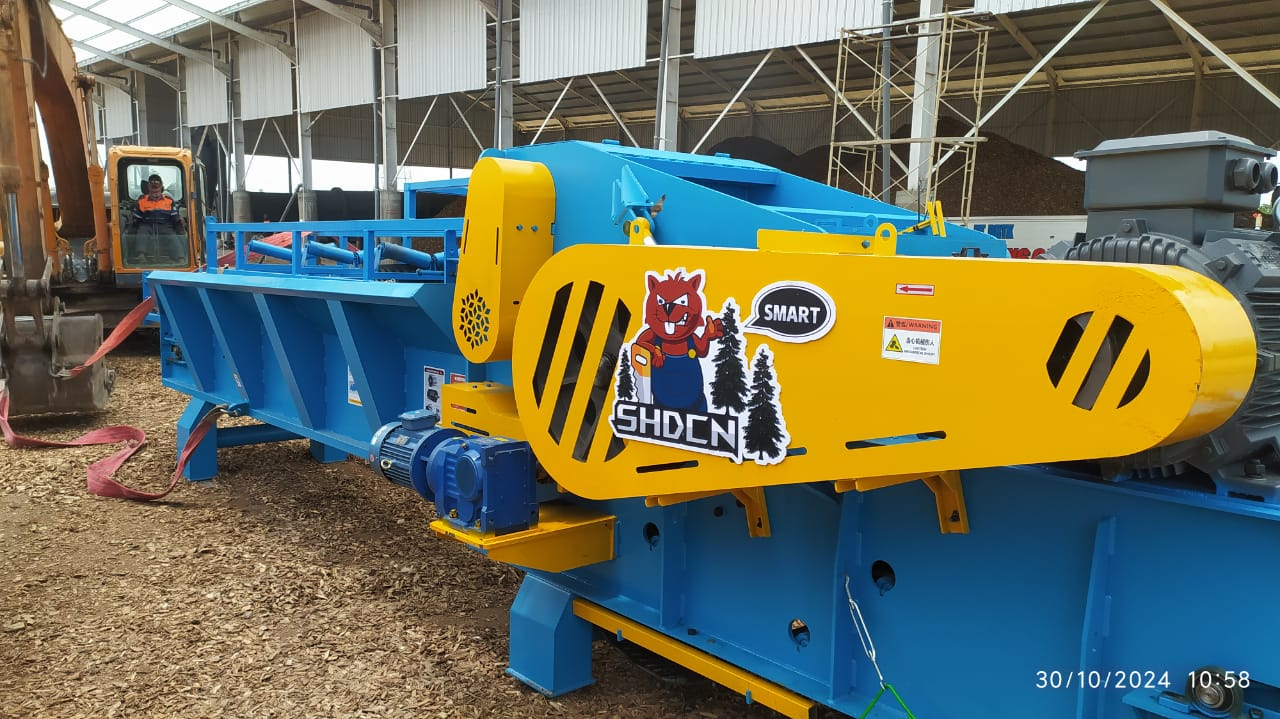
Optimize Feedstock for Lower Energy Demand
Getting the feedstock ready properly cuts down on how much energy these wood chip machines need to run. Studies show when wood has more than 45% moisture content, it takes about 40% extra energy to process because of all the friction and resistance against the blades according to Biomass Engineering from last year. On the flip side, keeping the moisture level under 30% makes those chips form better and saves around 20% in energy costs measured in kilowatt hours per tonne. The type of wood matters too. Hardwoods such as oak require between 15 to 25 percent more power compared to softer woods like pine even when everything else stays the same. This difference is something manufacturers really need to consider when planning their operations.
Moisture Content and Density: Impact on kWh/t Efficiency
When wood has too much moisture content, it creates resistance that makes motors struggle to reach desired particle size specifications. If operators manage to lower the moisture level by just 5 percentage points under 40%, they typically see around 8 to 12 percent less energy consumption during processing. Hardwoods present another challenge altogether since their density requires about 30 to 50 pounds per square inch more cutting force compared to softwood varieties. Many facilities find that drying hardwood chips down to under 25% moisture content helps compensate for these density issues. This pre-treatment approach actually reduces power consumption by approximately 18% according to recent findings published in the Forest Products Journal last year.
Pre-Sorting and Particle Uniformity for Stable Load Distribution
Sorting feedstock materials according to their size and type before processing helps avoid motor problems and cuts down on those sudden energy surges. When particles are all roughly the same size around 25 to 50 millimeters blades work more consistently which brings peak power needs down somewhere between 15 and 25 percent. The numbers back this up too real world operations show that uneven feedstocks can push energy consumption up by about 20 percent per ton because motors keep adjusting torque constantly. Getting automated sieving systems into place makes things even better these setups help maintain stable loads with variations kept within plus or minus 5 percent so the whole process runs smoothly without wasting power.
Select and Maintain an Energy-Efficient Wood Chip Machine
Blade Geometry, Clearance, and Hardness Trade-Offs
How blades are set up makes a big difference in how much power gets used during operation. Blades with a 15 degree hook angle tend to cut through materials using about 12 percent less electricity than those with flat edges, since they meet less resistance as they slice through whatever material is being processed. Getting the space right between cutting surfaces matters too. About 0.3 to 0.5 millimeters apart works best for most setups. If there's too much space between blade and anvil, pieces get cut multiple times which wastes energy. But making them too close together creates unnecessary friction that also eats into efficiency. When it comes to blade hardness, there's always something to give up somewhere. Tungsten carbide blades rated at 58 to 62 on the Rockwell scale stay sharp three times longer than regular steel options, but these harder blades can crack when dealing with frozen lumber or wood full of knots. On the other hand, softer blades around 45 to 50 HRC handle impacts better without breaking, though operators need to sharpen them roughly every third time instead of once per month. Finding the sweet spot between blade shape, spacing, and material hardness leads to better results measured in kilowatt hours per ton processed.
Routine Maintenance Best Practices to Sustain Efficiency
Regular maintenance keeps equipment running at its best. When blades get dull, they actually eat up around 25% more power, which is why it makes sense to sharpen them roughly every 50 hours of operation or whenever the cutting just isn't quite right anymore. Bearings need some love too - putting on high temp grease every other week cuts down on all that annoying friction loss. Check those belts once a month for tightness. If there's about 10% slippage happening, that translates into wasting nearly 8% of the energy being used. After each work shift, take a quick look at those cooling fins and sweep away any dirt or grime that builds up there because letting things overheat really takes a toll on engine power. Keep an eye on vibrations throughout the week as well. Strange shaking patterns usually mean something's out of alignment somewhere, and that leads to extra energy being wasted unnecessarily. Following these basic steps helps maintain good performance levels and saves money in the long run by making parts last longer than they otherwise would.
Use Smart Operational Controls to Cut Power Use
Variable-Speed Drives vs. Fixed-Speed Operation: Real kWh/h Savings
Switching from fixed speed motors to variable speed drives or VSDs can cut down on energy usage quite a bit when machines aren't running at full capacity. These VSD systems actually change how fast the motor runs based on what's needed right then and there. Fixed speed setups just keep going at maximum power no matter what amount of material comes through them. The result is that a lot of energy gets wasted when things are slow. For those working with wood products where flow rates tend to jump around, this makes a big difference. Some reports show idle power consumption drops as much as seventy percent during these unpredictable times.
Load Sensing and Auto-Throttle Systems in Modern Wood Chip Machines
Smart load sensing tech can spot changes in material density and adjusts engine power accordingly based on what it finds. Pair this with automatic feeding systems and suddenly those annoying energy spikes during machine jams disappear, plus we stop wasting energy on processing stuff that doesn't need it. Newer versions of this tech cut down idle time somewhere around 35 to 40 percent. They also manage peak energy needs better by matching how fast things get fed into the system with actual cutting speeds. The result? Machines run efficiently most of the time even when conditions change from one day to the next.
Track and Benchmark Energy Performance Metrics
Establishing Baseline kWh/t and Identifying Efficiency Gaps
To get started, check what kind of power your wood chipper is using right now for each ton processed under normal work conditions. Let's say the numbers come back showing something like 55 kilowatt hours per ton when most similar machines only need around 45. That extra 10 units per ton means there's definitely room for improvement somewhere. Keep an eye on how things change depending on what material goes into the machine or during different shifts too. Sometimes worn out blades or uneven feeding can really eat into efficiency. Looking at regular comparisons with other anonymous operation stats helps spot these hidden costs. Some folks actually cut their usage down from 60 all the way to 48 kWh/t just by fixing airflow problems and getting those motors properly aligned. The result? Around $18,000 saved every year per machine isn't bad at all.
Key KPIs: ton/h, kWh/h, and System-Level Energy Intensity
Monitor three interdependent metrics to optimize efficiency:
- Throughput (ton/h): Measures productivity; low rates may indicate dull blades or feed issues.
- Power consumption (kWh/h): Reveals real-time energy demand; spikes signal jams or voltage drops.
- System-level energy intensity: Combines auxiliary equipment usage (e.g., conveyors) with core kWh/t to calculate total kWh per ton.
| KPI | Optimal Range | Efficiency Warning Threshold |
|---|---|---|
| Throughput | 10–15 ton/h | <8 ton/h |
| Energy intensity | 40–50 kWh/ton | >55 kWh/ton |
Balancing these KPIs prevents overcompensation—boosting throughput while maintaining intensity below 50 kWh/ton maximizes output without energy penalties. Operators cutting intensity by 15% through targeted upgrades typically reduce costs by $24/ton.
FAQ Section
What is the impact of moisture content on wood chip processing?
Moisture content significantly affects wood chip processing efficiency. Higher moisture levels create resistance that increases energy consumption. Lowering moisture content by a few percentage points can result in notable energy savings.
How does blade geometry affect energy consumption?
Blade geometry influences how efficiently wood chip machines operate. Blades with angles, such as a 15-degree hook, reduce resistance and therefore consume less energy compared to flat-edged blades.
What are Variable Speed Drives (VSDs), and how do they save energy?
Variable Speed Drives (VSDs) adjust motor speeds according to the load, reducing energy wastage during low-demand scenarios. Switching from fixed-speed setups to VSDs can vastly improve energy efficiency.
How can regular maintenance improve machine efficiency?
Routine maintenance, such as sharpening blades and greasing bearings, prevents unnecessary energy consumption and prolongs machine lifespan. Regular checks ensure machines operate at optimal efficiency.