
 EN
EN
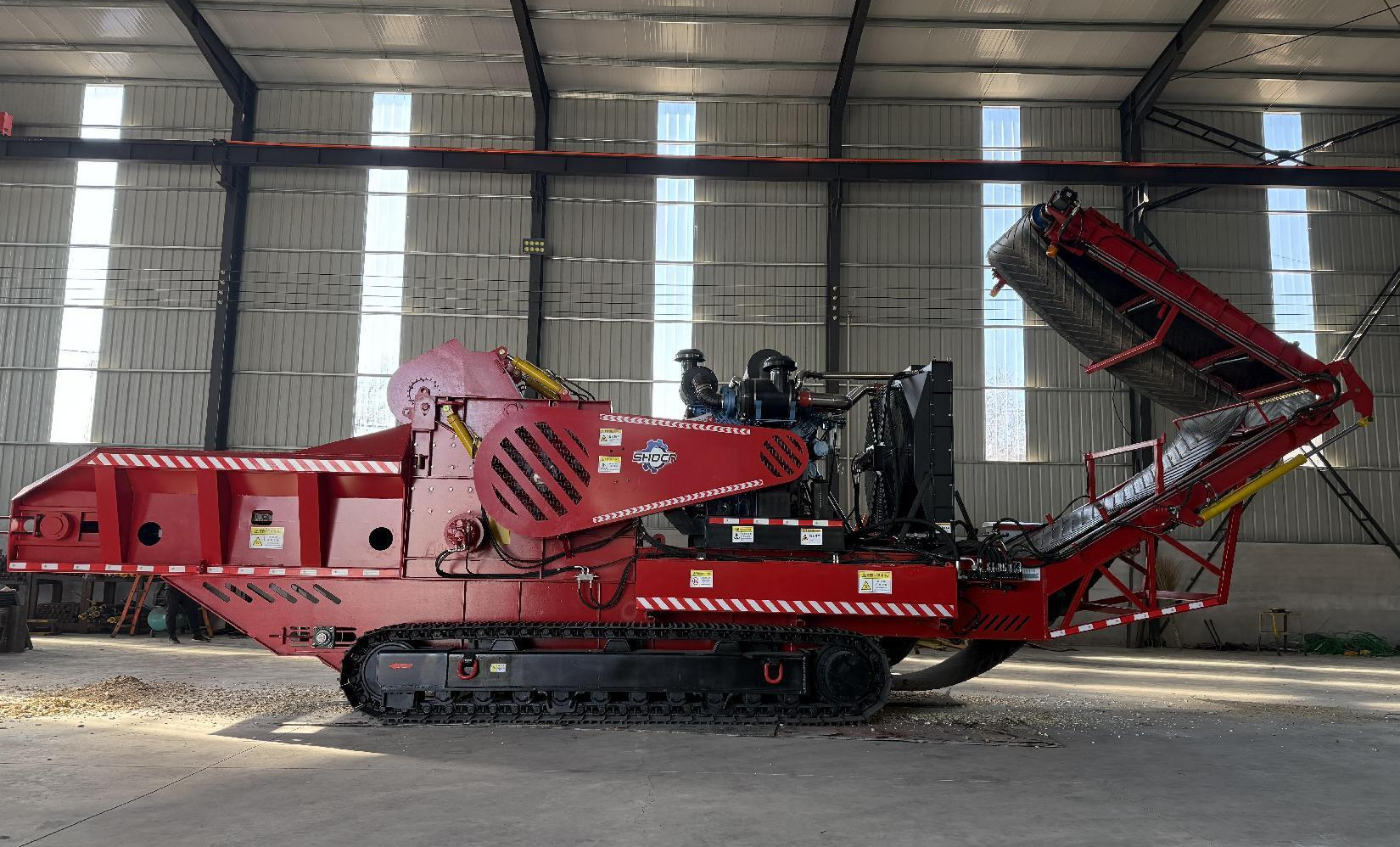
Optimize Wood Shredder Chipper Blade Design for Consistent Particle Size
Selecting Optimal Blade Hardness (HRC 58–62) to Minimize Deformation and Ensure Uniform Crushing
The hardness of cutting blades really determines how well they crush material. When blades are tempered between HRC 58 and 62, they hold up against bending when subjected to intense shredding forces. This helps maintain their shape so particles come out consistently sized. On the flip side, blades that aren't hard enough get dull fast, leading to uneven breaks in the material being processed. Going too far the other direction with super hard steel just makes them brittle and prone to cracking under stress. Finding that sweet spot in hardness gives blades both durability against normal wear and enough flexibility to handle impacts without breaking. For operators working with different types of wood over long shifts, this balance means blades stay sharp longer and keep producing clean cuts despite varying feedstock characteristics.
Precision Edge Geometry: How 22°–28° Bevel Angles Reduce Splintering and Enhance Chip Uniformity
The bevel angle basically determines how cutting works. When we look at angles ranging from around 22 degrees to about 28 degrees, these tend to create clean fiber shearing rather than the destructive kind of crushing action. If the angle gets too narrow below 22 degrees, the cutting edge starts wearing down faster when working with rough, knotty hardwoods. On the flip side, angles above 28 degrees actually push more compressive force onto the material being cut. This can lead to all sorts of problems like uncontrollable fiber separation and those annoying coarse, uneven fragments nobody wants. Blades with this optimized geometry produce roughly 30 to 40 percent fewer fine particles compared to regular blades. The result? Chips that stay consistently sized and shaped, which makes them great for things like making pellets, creating compost, or even as fuel for biomass systems.
Maintain Wood Shredder Chipper Blade Integrity Through Proactive Monitoring and Calibration
Real-Time Vibration and Acoustic Sensors for Early Detection of Blade Wear or Misalignment
Monitoring vibrations in real time catches those tiny rotor imbalances before they start affecting product quality. At the same time, acoustic sensors pick up on things like micro fractures and edge fatigue by listening for changes in cutting harmonics these are problems that regular visual checks simply miss. Combine all this with thermal imaging technology and maintenance teams can step in within just two hours after something goes wrong. We've seen this work wonders in operations that handle around 15 tons every hour. These kinds of monitoring systems cut down unexpected shutdowns by almost 60%, and stop that annoying 37% jump in chip size variation that happens when blades get even slightly off track just 0.2 mm misalignment makes a big difference (according to Forestry Equipment Journal from last year).
Dynamic Balance Verification and Anvil Gap Calibration (0.8–1.2 mm) to Stabilize Shear-Crush Transition
Keeping the anvil gap within 0.8 to 1.2 mm is critical for proper feedstock compression. This helps prevent early splintering and makes sure the material transitions smoothly from shearing to crushing action. For rotors, we need dynamic balancing equipment to check against ISO 1940 G2.5 standards, which means keeping vibration below 0.5 grams. Without this balance, parts can wear out faster when running under high torque conditions. The blade angle needs to stay around 29 degrees give or take one degree. If it goes outside this range, energy usage jumps about 18%, and the resulting particles won't be as consistent in size. Maintenance crews should run laser alignment checks approximately every hundred hours of operation to maintain optimal performance during both shearing and crushing phases.
Standardize Maintenance Protocols to Sustain Crushing Accuracy Over Time
Consistent particle size demands rigorously standardized maintenance—not ad-hoc operator judgment. Variability in sharpening technique, undocumented anvil adjustments, or inconsistent calibration erodes dimensional control over time. Standardization anchors performance to measurable thresholds, not subjective experience.
Data-Driven Sharpening Intervals Based on Throughput (e.g., Every 8–12 Hours at 15 tph)
Blade sharpening should be based on what the machine is actually doing rather than just looking at the clock. When processing around 15 tons of hardwood each hour, most operators find they need to resharpen their blades somewhere between 8 and 12 hours of operation. The schedule changes depending on materials too. Softwood tends to be easier on blades so some shops can stretch out maintenance to about 14 hours. But when dealing with frozen timber? That drops down to roughly 6 hours instead. Modern equipment now comes with built-in sensors that monitor performance and send warnings when blades start losing their edge. This proactive approach cuts down on inconsistent particle sizes by about 30 percent compared to sticking strictly to regular maintenance intervals regardless of conditions.
Threshold-Based Alerts for Dimensional Deviation (±0.3 mm) to Trigger Preventive Maintenance
Laser micrometers continuously monitor critical dimensions. When blade edge recession, anvil gap widening, or rotor imbalance exceeds ±0.3 mm, automated alerts initiate recalibration. This prevents cumulative accuracy loss by addressing three root causes simultaneously:
- Loss of designed shear angle due to edge recession
- Excessive clearance (>1.0 mm) compromising compression control
- Imbalance-induced vibration degrading cut consistency
Acting at this threshold sustains chip length consistency within 2% tolerance, cuts unplanned downtime by 40%, and extends blade service life by 200 operational hours—validating the preventive framework outlined in ISO 13355:2022 for size-reduction equipment.
FAQs
What is the ideal hardness for wood shredder chipper blades?
Wood shredder chipper blades perform optimally when tempered between HRC 58 and 62. This balance provides durability against wear and maintains cutting edge integrity.
Why are bevel angles important in blade design?
Bevel angles between 22° and 28° help create clean shearing action and reduce splintering, which is crucial for maintaining consistent particle sizes.
How can real-time sensors aid in blade maintenance?
Real-time sensors help detect wear, misalignment, and potential failures early on, allowing for timely maintenance interventions that preserve blade efficiency and consistency.
What's the significance of the anvil gap in chipper blade operations?
An anvil gap within 0.8 to 1.2 mm is crucial for effective feedstock compression, ensuring smooth transition from shearing to crushing during operations.