
 EN
EN
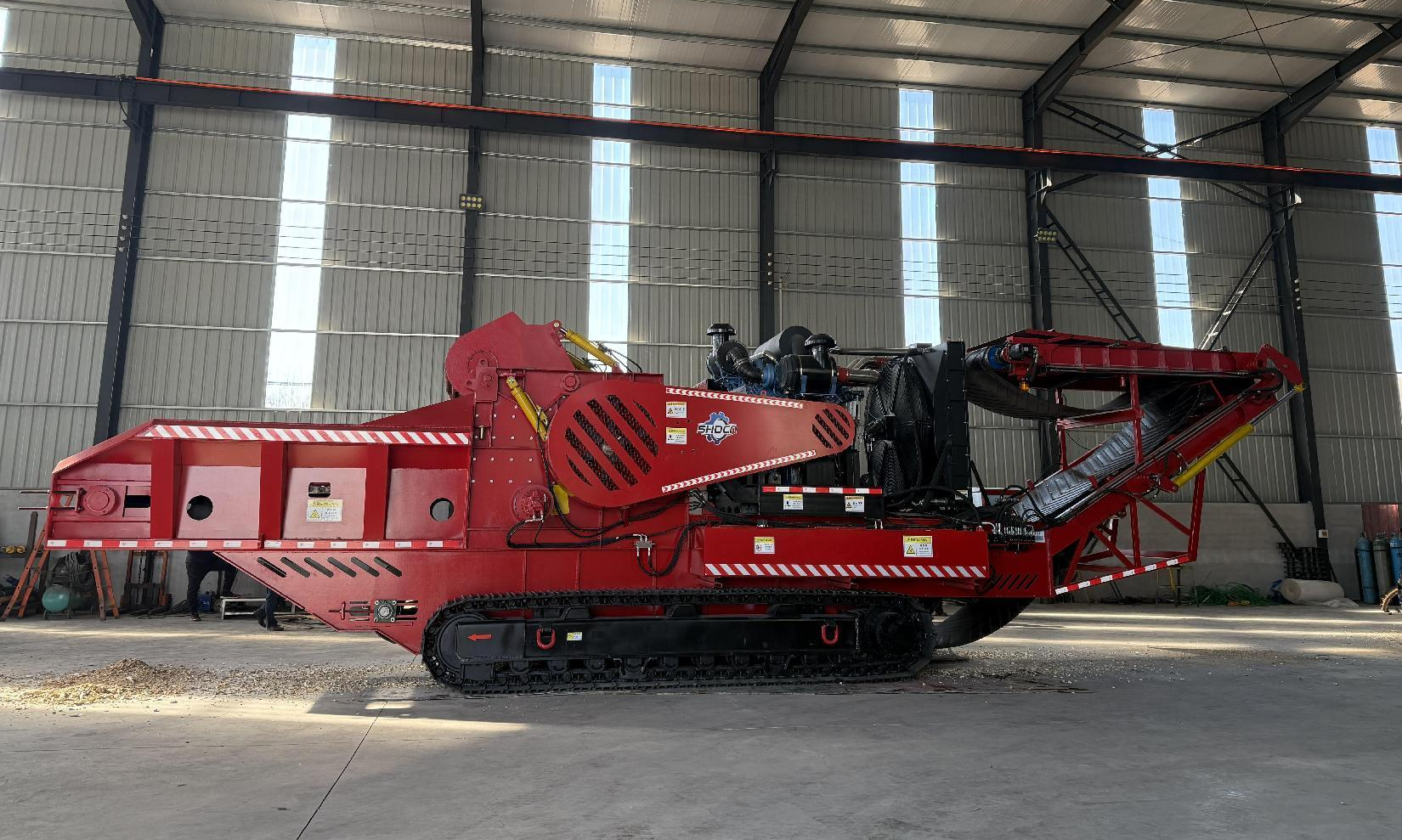
Implement Predictive and Preventive Maintenance for Reliable Wood Crusher Operation
Scheduled Inspections, Cleaning Protocols, and Blockage Prevention
Regular preventive maintenance starts with sticking to a solid inspection schedule. Every two weeks, technicians should look closely at cutting chambers and drive systems for warning signs like strange vibrations or small blade damages, making sure all observations get recorded properly. When it comes to biomass processing plants, blockages remain the biggest headache causing unexpected shutdowns. Industry reports from 2023 show these interruptions account for about seven out of ten problems faced by facilities. To tackle this issue head on, most successful operations focus on three main strategies first thing after each shift they clean chambers thoroughly with compressed air. Second, regular infrared scanning helps catch hot spots in bearings before they turn into major issues. And finally, implementing rigorous screening processes ensures only properly sized material gets fed into the system. Workers who know when to stop the machinery at the first sign of resistance help preserve motors and keep rotors intact, which stops smaller problems from turning into full blown equipment breakdowns down the line.
Lubrication Best Practices and Hydraulic System Integrity Checks
Optimal lubrication extends bearing life by up to 40% in high-torque wood crushing applications. Adhere to a precise regimen aligned with component function and operating conditions:
| Component | Lubricant Type | Frequency | Critical Checks |
|---|---|---|---|
| Main Bearings | High-temp NLGI #2 | 100 hours | Heat levels, contamination |
| Hydraulic Cylinders | ISO VG 68 | 200 hours | Seal leaks, pressure drops |
| Drive Chains | Dry Film Lubricant | 50 hours | Tension, alignment |
Supplement this schedule with weekly hydraulic pressure tests against OEM benchmarks. Replace hydraulic fluid biannually—contaminated oil is responsible for 35% of system failures. Monitor accumulator pre-charge pressure monthly to ensure consistent crushing force and prevent cavitation, preserving long-term hydraulic efficiency.
Preserve Cutting Performance by Managing Knife Wear and Alignment
Knife Hardness Matching, Feedstock-Density-Based Replacement Intervals
How long cutting tools last really comes down to getting the blade hardness right for what they're cutting through. Oak and other hard woods need blades rated over HRC 58, whereas pine and similar softwoods work better with blades around HRC 52 to 55. Getting this match correct cuts down on wood chips flying everywhere and can make blades last about 30 to 40 percent longer according to some research papers on biomass processing equipment. When it comes time to replace blades, the type of material matters a lot too. For instance, running 200 tons of tough beech through a machine might mean changing blades every other day compared to just once a week for lighter poplar wood of the same weight. Keeping track digitally of how much material each blade set handles helps create smarter replacement plans. This approach prevents wasting money on blades that still have life left in them and stops those surprise breakdowns that account for nearly 20% of all downtime in industrial crushing operations.
Feed Roller Monitoring to Avoid Slippage-Induced Overload on the Wood Crusher
Keeping those rollers grippy enough really matters if we want to avoid getting overloaded from slippage issues. Check the surfaces for wear once a month with those laser profilometer tools out there. Time to replace them when those grooves get deeper than 3mm. The hydraulic feed pressure needs to stay somewhere around 120 to 150 bars. If it drops below 100 bars, chances of slippage jump up by about 70%, so watch that closely. Those infrared sensors come in handy too since they pick up on weird temperature spikes that usually mean friction is building up somewhere. Getting in there quick makes all the difference. Misaligned rollers are another pain point. Fix them right away before things start feeding unevenly across the line. Otherwise, expect those annoying overload shutdowns plus extra wear and tear on the whole drive train system.
Optimize Biomass Feedstock Preparation to Protect the Wood Crusher
Moisture Control, Contaminant Screening, and Uniform Size Reduction Standards
The quality of feedstock has a major effect on how reliable crushers actually are in operation. When there's too much moisture in the material being processed, it builds up inside the chambers and creates blockages that can cut down on throughput by anywhere between 15% to 30%. Most operators know they need to keep moisture levels low, ideally below 25% for typical hardwood applications, so staged drying becomes essential when conditions aren't right. For removing contaminants, a good approach involves multiple stages of screening. Magnetic separators catch metal bits, while regular visual checks help spot stones and other non-organic stuff that wears down blades fast and damages internal parts over time. Logs should be pre-sized down to around 6 inches or smaller before going into the system. This ensures better compression throughout the process and puts less stress on motors during operation. Following all these practices together means less frequent maintenance requirements, saves energy costs in the long run, and ultimately keeps equipment running longer without breakdowns.
Strengthen Long-Term Reliability with Strategic Spare Parts and Lifecycle Support
When companies plan ahead for spare parts and manage component lifecycles properly, maintenance shifts from being reactive to something much more reliable. Creating a customized list of recommended spare parts focuses on those components that wear out fastest like knives, main bearings, and hydraulic seals. This approach cuts down repair wait times significantly according to industry standards. Working with vendors who offer proper lifecycle support makes all the difference. These partnerships typically come with technical help and warnings about parts becoming obsolete before they actually disappear from shelves, which can stretch equipment lifespan anywhere between 20 to 30 percent. Plants dealing with rough materials especially benefit when different crusher models share common parts, making inventory easier to handle. Smart sourcing deals also ensure access to essential replacement parts well into the future, sometimes covering over a decade. Facilities that implement thorough spare parts programs generally see around 40% savings on urgent part purchases and enjoy service intervals that last about 25% longer than usual, turning unpredictable downtime into something that happens far less often.
FAQ
What is the recommended inspection frequency for wood crushers?
It is recommended that wood crushers be inspected every two weeks to identify warning signs and ensure proper maintenance.
How does moisture content affect crusher reliability?
High moisture content in the feedstock can lead to blockages, reducing throughput by 15% to 30%. It's crucial to keep moisture levels below 25% for optimal operation.
What are the benefits of managing spare parts strategically?
Strategic spare parts management reduces repair wait times, ensures equipment reliability, saves costs on urgent part purchases, and extends service intervals.