
 EN
EN
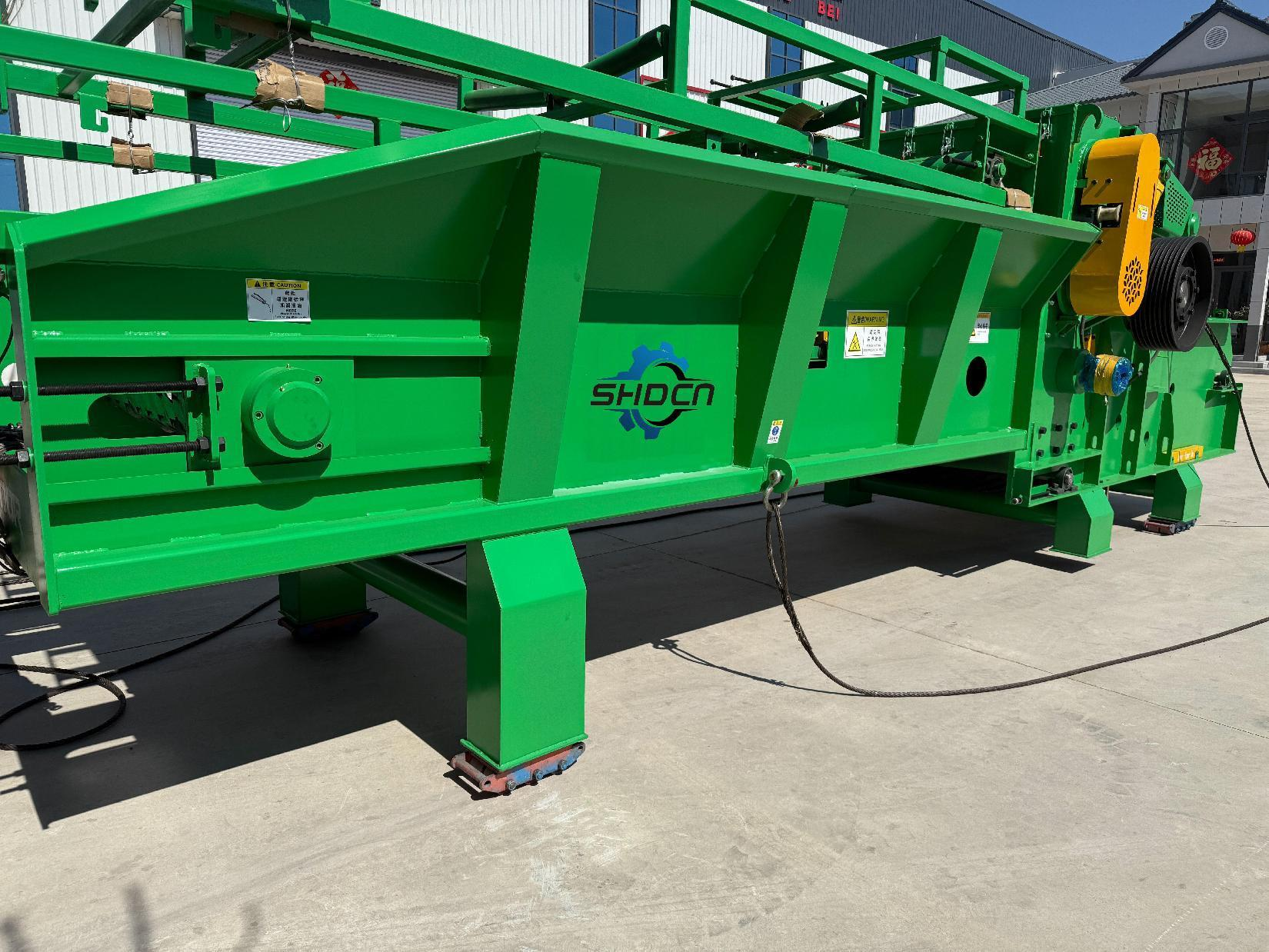
Match Wood Crusher Machine Type to Feedstock and End-Use Requirements
Assessing wood waste composition, size, and moisture to select optimal crusher design (hammer mill, drum chipper, or horizontal grinder)
The properties of wood waste play a big role in picking the right crusher setup. For dense hardwood pieces over 30 centimeters thick, horizontal grinders with strong torque systems work best to keep things moving without getting stuck. On the flip side, drum chippers handle those smaller branches under about 15 cm pretty well, especially when dealing with softer materials that don't take as much power to break down. Moisture is another factor worth considering too. Once the material gets wetter than around 35% moisture content, hammer mills become necessary because they come with blades that can withstand impacts and prevent clogging from all that fiber. According to recent research in biomass processing from last year, pairing the wrong equipment with the wrong material actually makes energy usage jump up roughly 22 percent while cutting down on how much material gets processed by about 40%. Before making any decisions, it's wise to check what specs the crusher has regarding size limits, acceptable moisture levels, and whether it works better with hard or soft woods based on manufacturer documentation.
Aligning wood crusher machine output specifications with environmental goals: mulch quality for erosion control, particle size for biomass fuel compliance, or nutrient retention for soil amendment
Calibrating output turns what would be waste material into something actually useful for environmental goals. Take biomass fuel production as an example. The ideal particle size range is around 3 to 6 millimeters, especially if they need to meet those strict ENplus A1 standards. Hammer mills with adjustable screens work best for this kind of job. For erosion control applications though, we're looking at much bigger pieces. Mulch made from 15 to 30 mm chips comes straight off drum chippers most often. These larger chips hold onto moisture better too, studies show about 60% improvement over smaller particles. When it comes to making soil amendments, horizontal grinders tend to be the go-to equipment because they run cooler. This matters since high heat can destroy valuable nitrogen content and mess with the organic makeup. Getting certified equipment makes sense for regulatory reasons. Look for machines that maintain consistent sizing within about 5% variance between batches, otherwise compliance becomes tricky.
Evaluate Built-In Environmental Safeguards: Dust, Emissions, and Fire Control
Comparing integrated dust suppression systems—wet misting, HEPA filtration, and cyclonic separation—in certified wood crusher machines
Getting good control over dust starts with picking the right engineering solutions that fit what's happening on site. Wet mist systems work by shooting tiny water droplets where material enters processing areas. These droplets stick together with dust particles, cutting down airborne stuff by around 85 to 90 percent. Great for materials that already have moisture in them, but forget about using them when temps drop below freezing point. HEPA filters are another option, grabbing nearly all particles bigger than 0.3 microns which makes them a must for working with dry hardwoods. Just remember those filters need changing regularly or performance drops off fast. Then there are cyclone separators that filter out most big particles (over 10 microns) through spinning action. They're energy efficient too and often used as first step cleaning before moving onto other filtration methods. For facilities handling potentially explosive dusts, look for equipment certified with built-in fire suppression systems according to NFPA standards. Spark detectors combined with automatic extinguishers help maintain safe dust levels well below dangerous explosion limits during operations.
Verifying real-world PM2.5 and VOC emission data from EPA- or CE-certified wood crusher machine models
Getting third party validation goes way beyond simple lab reports when it comes to meeting regulations. Equipment certified under EPA Tier 4 Final shows at least 90% fewer PM2.5 particles compared to older machines, with actual emissions staying around 0.03 grams per kilowatt hour thanks to better combustion systems and treatment technologies. When looking at VOCs, especially formaldehyde produced during hardwood work, properly certified equipment keeps concentrations under 10 parts per million even in everyday operations. Ask manufacturers for field test results that consider factors such as wood type, moisture content, and how hard the machine works over time, not just what happens in controlled lab settings. Machines with CE certification satisfy ISO 4871 noise standards at or below 85 decibels and include safety guards that follow OSHA guidelines to protect workers during maintenance tasks. This helps ensure everything lines up with both EPA air quality rules and European Union industrial emission directives.
Prioritize Energy Efficiency and Lifecycle Sustainability of the Wood Crusher Machine
Going for wood crushers that save energy makes good business sense and helps protect the environment too. Electric and hydraulic versions today use around 30% less electricity compared to older machines as reported in the latest industry findings from 2023. This cuts down on those pesky greenhouse gases and saves money on energy bills over time. Look beyond just how efficient they are right now. Think about their whole life cycle instead. Machines built tough last longer because they're made better. Some have parts that can be swapped out easily, so when something breaks, it's not a total write-off. Service life gets extended somewhere between 40 to 60 percent with these features. Top brands are getting smart about recycling materials. They put used steel into their crusher frames and run programs where old units get fixed up instead of tossed away. This approach reduces the need for new raw materials by about a quarter without hurting production capacity. When looking at different models, check if they have ISO 14001 certification. That stamp means the company follows proper environmental standards for things like tracking waste, optimizing energy use, and minimizing damage to nature during operations.
Ensure Compliance with Environmental Regulations and Operational Safety Standards
Key certifications to verify: EPA Tier 4 Final, ISO 14001, and OSHA-compliant guarding and noise reduction in wood crusher machines
Getting EPA Tier 4 Final certified isn't optional if someone wants to install new equipment these days. The certification makes sure machines meet tough standards for particulate matter (PM) and nitrogen oxides (NOx), which cuts down air pollution dangers by as much as 90% when compared to older, unapproved models. ISO 14001 adds another layer here too. This one requires companies to set up proper environmental management systems that keep tabs on waste flows, get better at using resources, and generally cause less harm to nature during regular operations. When it comes to worker safety, check those OSHA requirements are met. Look for things like emergency stop buttons that work automatically, guards placed strategically around moving parts, and soundproofing measures so noise stays under 85 dB(A). These precautions really cut down on accidents where people get caught in machinery and also protect against long-term hearing loss, something particularly important in noisy wood shops. Plants that skip these certifications not only risk getting hit with EPA fines over $60k but also see about 30% more incidents according to recent 2023 data from enforcement reports.
FAQs
What are the main types of wood crusher machines?
Wood crusher machines include types like hammer mills, drum chippers, and horizontal grinders, each designed for specific wood compositions and sizes.
Why is moisture content important in selecting a wood crusher machine?
Moisture content affects the efficiency of wood crushers; if moisture exceeds 35%, hammer mills are ideal due to their robust blades that resist clogging.
How do wood crushers contribute to environmental goals?
Wood crushers transform waste into usable materials, like mulch for erosion control and precise particles for biomass fuel compliance.
What certifications should I look for in wood crusher machines?
Look for certifications like EPA Tier 4 Final, ISO 14001, and OSHA compliance, ensuring environmental safety and operational efficiency.
Table of Contents
-
Match Wood Crusher Machine Type to Feedstock and End-Use Requirements
- Assessing wood waste composition, size, and moisture to select optimal crusher design (hammer mill, drum chipper, or horizontal grinder)
- Aligning wood crusher machine output specifications with environmental goals: mulch quality for erosion control, particle size for biomass fuel compliance, or nutrient retention for soil amendment
- Evaluate Built-In Environmental Safeguards: Dust, Emissions, and Fire Control
- Prioritize Energy Efficiency and Lifecycle Sustainability of the Wood Crusher Machine
- FAQs