
 EN
EN
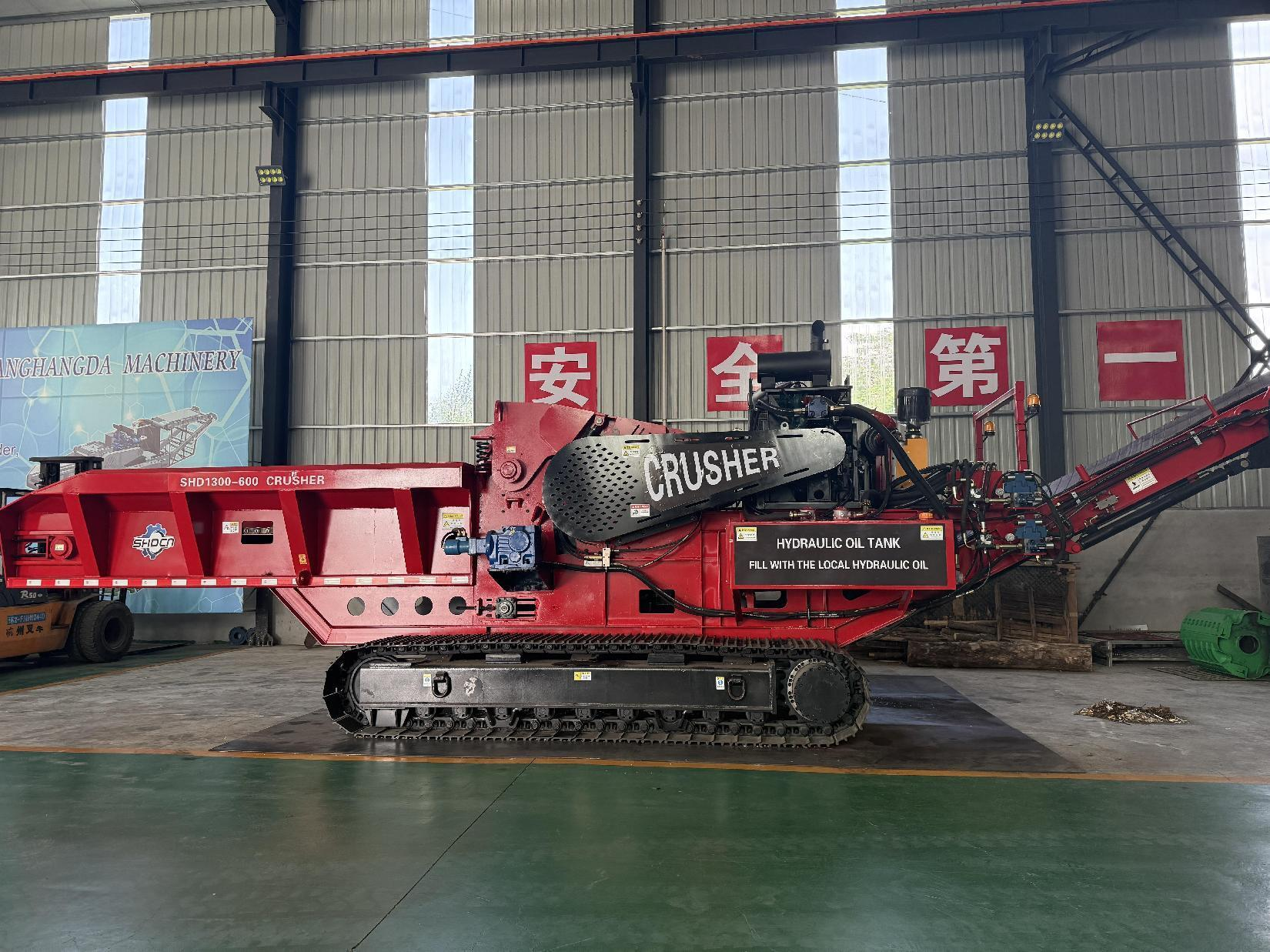
Optimize Drum Wood Chipper Operational Settings
Matching drum speed and feed rate to engine load and material density
Drum speed needs adjusting based on what kind of wood is going through the system, not just set once and forgotten. When dealing with heavy stuff like oak, operators should knock down the drum speed around 15 to maybe even 20 percent lower than normal for softer woods. This helps avoid those annoying lugging issues and keeps the whole drivetrain from getting damaged over time. Combine this adjustment with feeding material at a rate between roughly 0.8 and 1.2 meters per second. Most modern machines have these onboard load monitors now that actually tell us when things are getting too packed. Getting these two factors working together properly makes sure we're putting in just the right amount of material for what the machine can handle. Nobody wants those sudden stoppages when the system gets overloaded. Real world testing shows that keeping this balance consistently works wonders, cutting unexpected downtime by almost 40% according to our field reports.
Calibrating reduction ratio and drum-to-counter-knife gap for consistent chip size and throughput
The reduction ratio and the space between the drum and counter knife work together to get the right balance between good chip quality and how much material gets processed. For most situations, aim for a reduction ratio somewhere between 6 to 1 when dealing with bigger chunks or dense wood, up to around 10 to 1 for finer mulch or when processing different types of yard waste. Keep the gap between the drum and counter knife at about 0.3 to 0.5 millimeters by using those specially made metal spacers. If this gap gets too big, over 1 mm, problems start showing up. The chips won't be uniform in shape, there will be more material going back through the machine than should, and tests have shown actual output drops by about 22%. Here's what to look for when setting things up for different kinds of materials:
| Material Type | Ideal Gap (mm) | Reduction Ratio | Output Impact |
|---|---|---|---|
| Softwood Branches | 0.3 | 8:1 | +18% |
| Hardwood Logs | 0.5 | 6:1 | -12% |
| Mixed Yard Waste | 0.4 | 10:1 | +7% |
*Compared to optimal softwood processing
Why higher RPM doesn't guarantee higher output: Insights from USDA Forest Service drum wood chipper trials (2023)
Most people think running a drum faster than what's recommended will boost productivity, but actually it does the opposite. According to tests done by the USDA Forest Service in 2023, cranking up speeds to 20% over the suggested RPM range only gave a tiny 3% increase in throughput. Meanwhile, blade wear jumped 28%, jams became 19% more frequent, and there was noticeable extra heat buildup in bearings and hydraulic systems. Looking at their results, the best performance consistently happened around 85 to 90% of the maximum rated RPM when combined with appropriate feed rates. This shows clearly that keeping things balanced and aware of the load matters much more for long term efficiency than just going as fast as possible.
Maintain Blade Sharpness and Critical Components for Sustained Output
Quantifying throughput loss from dull blades: 22–37% drop with hardwood feedstock in field validation
Blades that aren't sharp enough hit machinery performance like a hammer, particularly when dealing with tough woods. Real world tests at logging sites have found output drops between 22 to 37 percent once blade edges start losing their sharpness while working through oak or hickory stock. What happens? Dull blades create more resistance during cuts, making engines strain extra hard while creating all sorts of problems including excessive wood dust, uneven chips, and constant machine jams. The reason hardwoods wear down blades so fast has everything to do with their tight grain patterns and those stubborn lignin compounds inside the wood fibers. Keeping blades razor sharp isn't merely about getting nice looking chips either. Sharp tools mean less energy consumption overall, better material flow through equipment, and most importantly, they stop small issues from turning into major breakdowns that shut operations down completely.
Proactive maintenance schedule: Blade sharpening, air filter cleaning, and oil changes as uptime predictors
Drum chippers run best when we focus on predicting problems rather than fixing them after they happen. For blade sharpness, most operators find that doing it around every 40 to 60 hours works well, though hardwood processing often needs more frequent attention. Daily checks of the air filter are essential too since dirty filters really mess with combustion performance. Hydraulic oil changes should happen about every three months to keep feed pressure steady, while monthly gearbox lubrication helps cut down on drivetrain wear and tear. Plants that stick to these maintenance practices typically see roughly 90% fewer unexpected shutdowns compared to those who don't. What starts as just another expense turns into something that actually protects production capacity over time.
Standardize Feedstock Characteristics to Stabilize Drum Wood Chipper Output
Moisture content (30–45%), branch thickness uniformity, and hardwood vs. softwood ratios
Consistent feedstock quality forms the backbone of reliable production results. The sweet spot for moisture content lies between 30 and 45 percent. When it drops below 30%, operators deal with increased dust levels, equipment wear from abrasion, and those pesky static problems during feeding. Moisture above 45% creates different headaches altogether - clogged machinery, material slipping through gaps, and sometimes as much as 30% reduction in overall throughput. Getting the particle sizes right matters too. We generally aim for pieces that stay within about plus or minus 15% of their intended size to avoid blockages and unpredictable feeding behavior. Wood type mix also plays a role. Hardwoods need roughly 40% more torque compared to softwoods, so most facilities stick to a 3:1 ratio of softwood to hardwood unless they adjust drum speeds and gap settings accordingly. Real world data indicates that messing with any of these three factors can cause output fluctuations over 25% just within one work shift. That's why proper pre-sorting procedures, regular moisture checks, and careful feed preparation aren't just good ideas - they're essential parts of day to day operations for anyone running this kind of equipment.
Eliminate Throughput Bottlenecks with Advanced Feed and Evacuation Systems
Hydraulic forced feeding and intelligent feed control versus gravity infeed: +41% average output in mixed-debris operations
The problem with gravity-fed infeed is that it hits natural limits when dealing with all sorts of different materials such as brush piles, tangled vines, and odd-shaped branches. What happens? Materials bridge together, surge unpredictably, and create uneven flows that mess up drum loading. This leads to frequent jams and constant machine stoppages. Hydraulic forced feed systems solve these issues by pushing material forward using steady controlled pressure. Combine this with smart feed controls that adjust hydraulic power on the fly according to what's happening inside the machine - engine strain, drum resistance, and sensor readings from the feed area. The result? Machines keep running at their best without getting overloaded. Field tests with mixed debris showed impressive results: about 40% more output compared to gravity systems, roughly half the jam incidents, and parts like blades and bearings lasted longer because everything ran smoother with better weight distribution across components.
FAQ
What affects drum speed adjustments in wood chipper operations?
Drum speed should be adjusted based on wood type—harder woods like oak require lower speeds compared to softer woods to prevent drivetrain damage.
How do you maintain consistent chip size and throughput?
Maintain a reduction ratio between 6 to 1 and 10 to 1, and keep the drum-to-counter-knife gap between 0.3 and 0.5 mm for optimal chip quality and processing.
Why doesn't increasing RPM guarantee higher output?
Higher RPM can lead to increased blade wear, jams, and heat buildup without significant throughput increase. Optimal performance occurs at 85-90% of max RPM.
What is the impact of blade sharpness on wood chipper performance?
Dull blades can decrease output by 22-37%, create dust, uneven chips, and cause engine strain and jams, especially with hardwoods.
What maintenance practices improve uptime?
Regular blade sharpening, air filter cleaning, and oil changes can significantly decrease unexpected shutdowns.
How do you stabilize wood chipper output?
Maintain moisture content between 30-45%, uniform branch thickness, and adjust wood type ratios to manage torque requirements.
Table of Contents
- Optimize Drum Wood Chipper Operational Settings
- Maintain Blade Sharpness and Critical Components for Sustained Output
- Standardize Feedstock Characteristics to Stabilize Drum Wood Chipper Output
- Eliminate Throughput Bottlenecks with Advanced Feed and Evacuation Systems
-
FAQ
- What affects drum speed adjustments in wood chipper operations?
- How do you maintain consistent chip size and throughput?
- Why doesn't increasing RPM guarantee higher output?
- What is the impact of blade sharpness on wood chipper performance?
- What maintenance practices improve uptime?
- How do you stabilize wood chipper output?