
 EN
EN
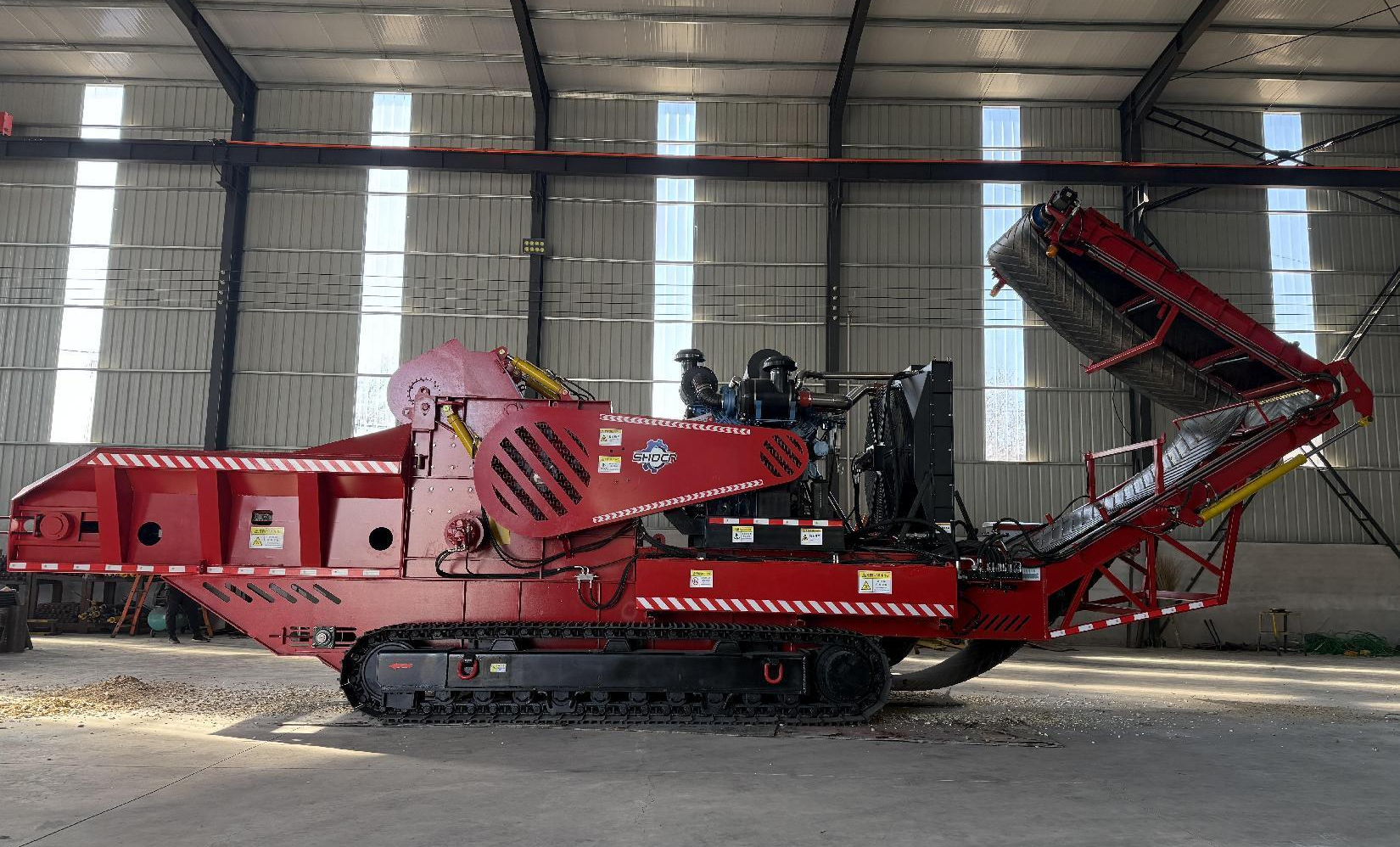
Why Low Wear Rate Is Critical for Forestry-Specific Branch Shredder Performance
Forestry operations subject branch shredders to extreme stresses—wet wood, embedded grit, and irregular feedstock accelerate component degradation exponentially. Unplanned downtime costs industrial operations $740k per minute (Ponemon 2023), making wear-related failures financially catastrophic when shredding 15+ tons/hour. Forestry-specific challenges amplify this:
- Green wood (45–60% moisture content) generates acidic residues that corrode cutting chambers
- Soil contaminants in root systems act as grinding paste on bearings
- Variable branch diameters impose cyclic stress loads beyond design thresholds
When even one hammer tooth starts wearing down, it can throw off the whole system causing rotor imbalance, belt slippage problems, and eventually motor burnouts that stop land clearing work for around 20 hours each time this happens. For businesses handling more than 50 thousand tons annually, these breakdowns typically cut their yearly output by about 15%. Shredders that wear out quickly need roughly three times as much maintenance compared to better designed machines, which means technicians spend way too much time fixing instead of doing actual productive work. Looking at how things actually operate on site tells us something important: good wear resistance matters beyond just lasting longer. It forms the basis for keeping biomass processing going nonstop and staying profitable when dealing with large volumes in forest operations where downtime costs money fast.
Key Design Features That Reduce Wear in a Branch Shredder
Several engineering innovations directly combat wear in branch shredders. Durability begins with drive systems engineered for forestry’s punishing demands.
Low-Speed, High-Torque Drives for Consistent Branch Shredder Durability
Dense, knotty branches require immense force to shred. High-torque, low-RPM drives deliver consistent power without overheating or stressing components—reducing friction-induced metal fatigue by 32% compared to high-speed systems (Forestry Equipment Journal 2023). The controlled rotational force also prevents jamming, minimizing sudden impact loads that accelerate wear.
Hardened Steel Hammers, Replaceable Teeth, and Reinforced Drum Systems
The cutting parts take a real beating from all sorts of stuff like bark, dirt, and even silica particles. The steel hammers used here are pretty tough too, they need to be since they handle impacts constantly. These hammers are made from hardened steel that's rated over 55 HRC which means they don't bend out of shape easily when things get rough. We've designed the teeth so operators can just swap out worn sections rather than replacing whole components. This approach cuts down on unexpected stoppages by around 70%, which makes a big difference in productivity. The drum itself has extra reinforcement inside with ribs running through it. This stops the casing from bending when the machine is working at maximum capacity, keeping everything aligned properly even when stressed. Special wear plates have been strategically placed to protect those important moving parts from getting clogged up with debris over time.
Together, these features form a wear-resistant foundation. Operators gain 35% longer service intervals and lower lifetime operating costs through reduced component replacement frequency.
Matching Branch Shredder Specifications to Forestry Workloads
Branch Diameter, Moisture Content, and Contaminant Load Impact on Wear
The properties of materials being processed have a major impact on how wear develops in branch shredders. When dealing with branches larger than six inches across, the force on blades goes up anywhere from 40 to 60 percent, which speeds up when parts start to break down. Wood that's really wet (over 50% moisture) tends to stick to cutting teeth and cause what mechanics call adhesive wear. Then there are those pesky bits of dirt and rocks mixed into the branches that work like sandpaper against metal surfaces, making components wear out three times faster according to field testing data. Maintenance crews report needing to service machines much more frequently too - roughly 15 to 25 fewer hours between services for each additional 10% of contaminants found in feedstock material. Good shredder operators know all this matters when picking equipment for their specific needs.
| Material Factor | Wear Impact | Mitigation Strategy |
|---|---|---|
| Large Diameter (>6") | High-impact blade stress | Reinforced rotor assemblies |
| High Moisture | Gummy residue buildup | Self-cleaning chamber designs |
| Soil Contamination | Abrasive particle erosion | Tungsten-carbide tooth coatings |
Land-Clearing vs. Thinning: Duty Cycle Alignment with Branch Shredder Longevity
Land clearing operations run nonstop need industrial grade shredders built to handle over 90 percent usage every day. These machines rely on powerful torque drivetrains that keep components from breaking down when they hit rocks or roots repeatedly throughout the day. On the flip side, selective thinning jobs typically only last between four to six hours a day, so they call for different kinds of durability features. Preservation from corrosion becomes really important here since these machines often deal with damp materials off and on. Forestry businesses that want their shredders to last longer see around thirty percent improvement in equipment life when they pair the right workload patterns with appropriate engine settings. When it comes specifically to clearing land, hydraulic systems capable of maintaining at least 3,500 pounds per square inch are absolutely necessary because they absorb those sudden impacts from all sorts of unexpected debris coming through.
Proven Maintenance Strategies to Maximize Branch Shredder Uptime and Minimize Wear
Hourly Throughput–Based Preventive Maintenance Schedules
Implementing hourly throughput–based maintenance schedules prevents unexpected failures in branch shredders. For every 50 operational hours:
- Inspect cutting chambers for blade wear and structural fatigue
- Lubricate bearings with high-temperature grease
- Clear accumulated debris from feed mechanisms
- Document component degradation rates in digital logs
Blades need replacing either around the 300 hour mark or whenever they've worn down past 10% of their original thickness. Industry data shows this kind of maintenance strategy cuts downtime roughly 40%, and keeps components running longer than sticking to fixed schedules based on calendar dates. For facilities handling large volumes, checking blades every 30 hours makes sense as well. When putting everything back together, make sure to stick closely to what the manufacturer says about tightening bolts just right. And don't forget to apply only the lubricants specifically approved for these parts, since using the wrong stuff can lead to bearings failing way before they should.
FAQ
Why is low wear rate crucial for forestry-specific branch shredders?
Low wear rate is essential for forestry-specific branch shredders as it prevents failures that cause costly downtime and decrease productivity.
What can help reduce wear in branch shredders?
Engineering innovations such as low-speed, high-torque drives, hardened steel hammers, replaceable teeth, and reinforced drum systems help reduce wear in branch shredders.
How does branch diameter impact wear in shredders?
Branches larger than six inches increase blade stress, accelerating wear; reinforced rotor assemblies can mitigate this impact.
What maintenance strategy is recommended for branch shredders?
Hourly throughput-based preventive maintenance schedules, inspecting cutting chambers, lubricating bearings, and documenting degradation rates are recommended strategies.