 EN
EN
Disc vs. Drum Wood Chippers: Performance, Throughput, and Operational Fit
Mechanical Differences: Rotational Inertia, Feed Dynamics, and Torque Response
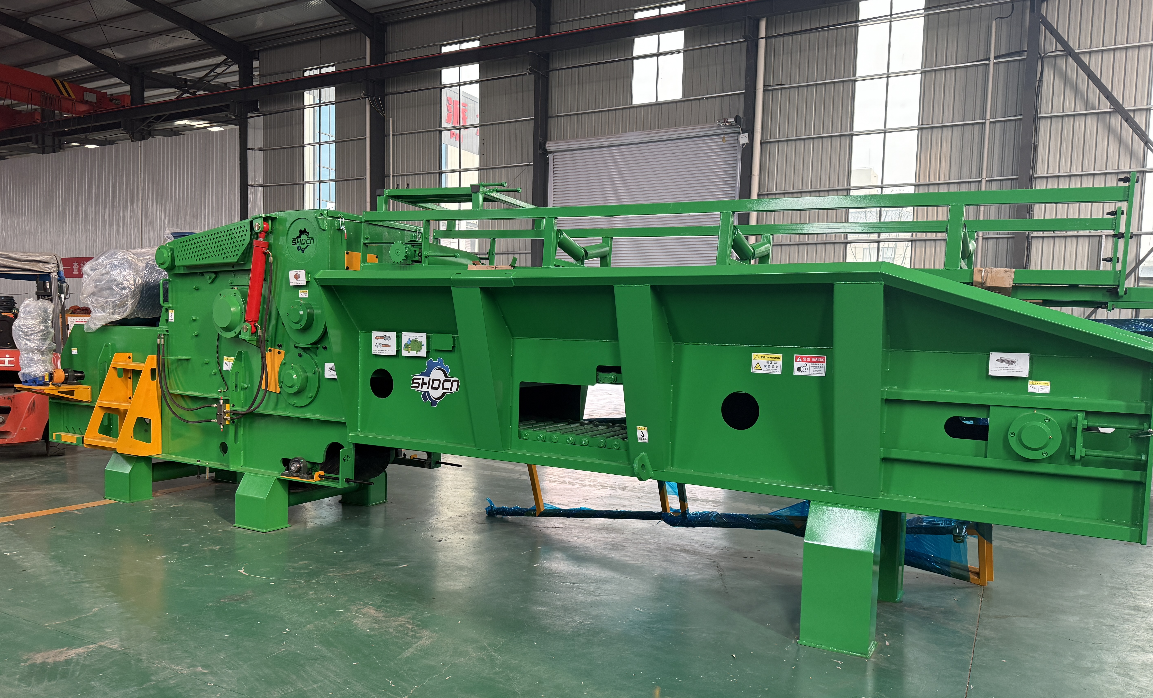
The main difference between disc and drum wood chippers lies in how they actually cut through material. Disc type machines have those vertical knives attached to a spinning plate which means they don't need as much power to start and stop quickly. This makes them great when feeding materials in short bursts rather than continuously. The straight line feed system does require someone to position the wood properly before processing though, but it gives better control over torque during operation. Drum chippers work differently altogether. These units feature horizontal drums with built-in blades that keep spinning even when dealing with tough jobs because of their heavier rotating mass. Most drum models come equipped with motorized feed rollers that grab onto the wood pretty forcefully without needing constant attention from operators. However, this aggressive feeding approach puts extra strain on the machine's drive system, especially when handling wood with knots or inconsistent grain patterns that cause sudden torque increases.
Real-World Output Comparison: Chip Consistency, Debris Handling, and Hourly Throughput
Performance diverges sharply across commercial wood waste streams:
| Operational Metric | Disc Chipper | Drum Chipper |
|---|---|---|
| Chip Uniformity | Length ±3cm, thickness ±5mm | Variable lengths (3–5cm), occasional splintering |
| Contaminant Tolerance | Low (knife damage from bark, dirt, or embedded metals) | High (designed for mixed debris) |
| Throughput Capacity | 70–100 tons/hour (clean, straight logs) | 80–120 tons/hour (mixed, contaminated, or twisted material) |
Disc chippers work best when we need consistent dimensions, like making high quality mulch for landscaping jobs or preparing biomass fuel according to strict specs. But these machines really struggle or even get damaged when they encounter contaminated materials. On the other hand, drum chippers are the go to choice for city storm cleanups and sawmills. They handle all sorts of messy scrap wood and branches knocked down by storms much better, typically processing about 15 percent more material than disc models, even though the output isn't as uniform. The only time disc chippers match drum units in terms of throughput is when dealing with perfectly straight, clean logs where their cutting efficiency reaches its maximum potential.
Power Source Selection for Business-Scale Wood Chipping
Gas, Diesel, PTO, and Electric: Emissions, Duty Cycle, and Job-Site Flexibility
When choosing between different power sources for their equipment, commercial operators need to consider several factors including the specific site conditions, what regulations apply locally, and how long they expect the machine to run each day. Gas powered chippers definitely pack a punch when it comes to starting torque, but according to recent EPA numbers from 2023, these machines release anywhere from four to six times more pollution compared to their electric counterparts. Diesel engines tend to be about thirty to fifty percent more efficient over longer periods of operation, which is why many companies still rely on them for jobs out in remote areas or where machines will run nonstop for hours on end. The downside? These diesel units can get pretty loud, sometimes going beyond ninety decibels. PTO systems save money because they tap into the power already available on tractors, but this means operators have to stay close to whatever vehicle has that tractor attached. Electric chippers run quieter than eighty decibels and produce no emissions at all, making them great for city work where noise complaints matter. However, these electric models do need access to electrical outlets nearby and generally aren't built for cutting branches thicker than three inches across. When dealing with emergency situations after storms in isolated locations, diesel remains king thanks to its ability to keep running without refueling stops. Landscapers working around neighborhoods or sensitive environments usually find electric options make sense too since they cut down on both expenses and disturbances to local communities. At the end of the day, what kind of workload the chipper faces determines which option works best. Machines used constantly throughout the business week perform better with diesel engines that last longer under heavy use, whereas lighter duty jobs where maintenance isn't such a concern work well enough with electric alternatives.
Matching Wood Chipper Types to Industry-Specific Workflows
Arboriculture, Municipal Storm Response, and Landscaping: Use-Case Drivers
Choosing commercial chippers really comes down to what kind of work needs doing. Tree care professionals need machines that can handle tight spaces and make accurate cuts when managing city trees. Disc chippers work best for them since they consistently produce those 3/4 inch chips needed from branches smaller than 12 inches across, which makes great mulch right there on site. For cities dealing with storm damage, fast processing matters most. Drum chippers rule this space, handling trunk sizes over 18 inches and keeping up with volumes above 50 tons per hour during cleanup operations. Landscape contractors tend to look at different factors altogether. They want something versatile enough to tackle all sorts of plant material like branches, bushes, and even stubborn vines. PTO driven models fit the bill here because they connect directly to tractors already owned by many businesses. According to recent market research published last year, around three out of four city maintenance supervisors put storage capacity at the very top of their shopping list when buying new equipment, ahead of price tags and manufacturer reputation alike.
| Industry | Key Requirement | Optimal Chipper Type | Throughput Benchmark |
|---|---|---|---|
| Arboriculture | Precision, urban mobility | Disc chipper | 8–12 tons/hour |
| Storm Response | High-volume debris | Drum chipper | 50+ tons/hour |
| Landscaping | Versatile material handling | PTO chipper | 15–20 tons/hour |
Emerging Trends: Hybrid Infeed Systems and Urban Compliance Requirements
Manufacturers across the board are starting to combine hydraulic and gravity feed systems these days. This setup handles all sorts of messy material better than ever before - think vines, roots, and those stubborn tangles of brush that used to jam everything up. The improvement really helps tackle green waste problems both in neighborhoods and city parks. At the same time, cities are getting stricter about noise regulations. About a quarter of US states have rules requiring machines to stay under 80 decibels during the day in certain areas. These new rules are pushing companies toward equipment that can switch from diesel to electric power. According to numbers from the EPA last year, this swap cuts down on tiny particles in the air by around two thirds. We're also seeing early tests of chipper machines connected to the internet. They track things like how long they run, what they process, and even their noise levels, which makes it easier for cities to check if contractors are following all the rules when they get paid for their work.
Critical Commercial Selection Criteria: ROI-Focused Decision Factors
Feed Capacity, Terrain Mobility, Output Consistency, and Total Cost of Ownership
When choosing a wood chipper for business operations, looking at return on investment goes way beyond just the sticker price. The feed capacity makes all the difference in productivity levels. Machines capable of handling logs 12 inches or larger in diameter generally process about 30 to 40 percent more material each day compared to their smaller counterparts, which cuts down on labor time needed per ton of wood processed. How well equipment moves across different terrains matters too. Track mounted systems stay stable and efficient even on sloped ground where wheel based machines need constant moving around, saving roughly 15 to 20 minutes every time they have to be repositioned. Consistent output size has financial implications as well. Chips that are uniformly under two inches can be sold as mulch instead of ending up in landfills where bigger pieces attract extra fees. Looking at total cost of ownership is absolutely essential. This includes considering fuel expenses, regular maintenance schedules, and how long parts last before needing replacement. Take diesel engines for instance. They do cost more per hour to run but tend to last about 25% longer when used heavily compared to gas powered alternatives, making them worth the extra expense for businesses running over 500 hours annually. Industry data shows that setting specific performance metrics like tons processed per labor hour, fuel spent per ton, and how often breakdowns occur helps ensure money invested in new equipment actually pays off in the long run.
FAQ Section
What are the main mechanical differences between disc and drum wood chippers?
Disc chippers use vertical knives on a spinning plate, offering quick stops and starts, making them suitable for short bursts of feeding. Drum chippers have heavy horizontal drums with built-in blades, ideal for continuous tough jobs but requiring careful handling to avoid torque strain.
Which wood chipper is best for handling contaminated materials?
Drum chippers excel at processing mixed debris with higher contaminant tolerance, making them the preferable choice for contaminated materials over disc chippers.
How do power sources affect wood chipper operation?
Gas chippers offer high torque but emit more pollutants, diesel provides efficiency and long duration operation with noise considerations, while electric chippers offer quiet operation and no emissions, suitable for urban jobs with access to outlets.
What Industry-Specific requirements affect the choice of wood chipper?
Tree care professionals require precision from disc chippers, storm responses benefit from drum chippers' high throughput, and landscaping demands versatile PTO chippers.
Table of Contents
- Disc vs. Drum Wood Chippers: Performance, Throughput, and Operational Fit
- Power Source Selection for Business-Scale Wood Chipping
- Matching Wood Chipper Types to Industry-Specific Workflows
-
Critical Commercial Selection Criteria: ROI-Focused Decision Factors
- Feed Capacity, Terrain Mobility, Output Consistency, and Total Cost of Ownership
- FAQ Section
- What are the main mechanical differences between disc and drum wood chippers?
- Which wood chipper is best for handling contaminated materials?
- How do power sources affect wood chipper operation?
- What Industry-Specific requirements affect the choice of wood chipper?