
 EN
EN
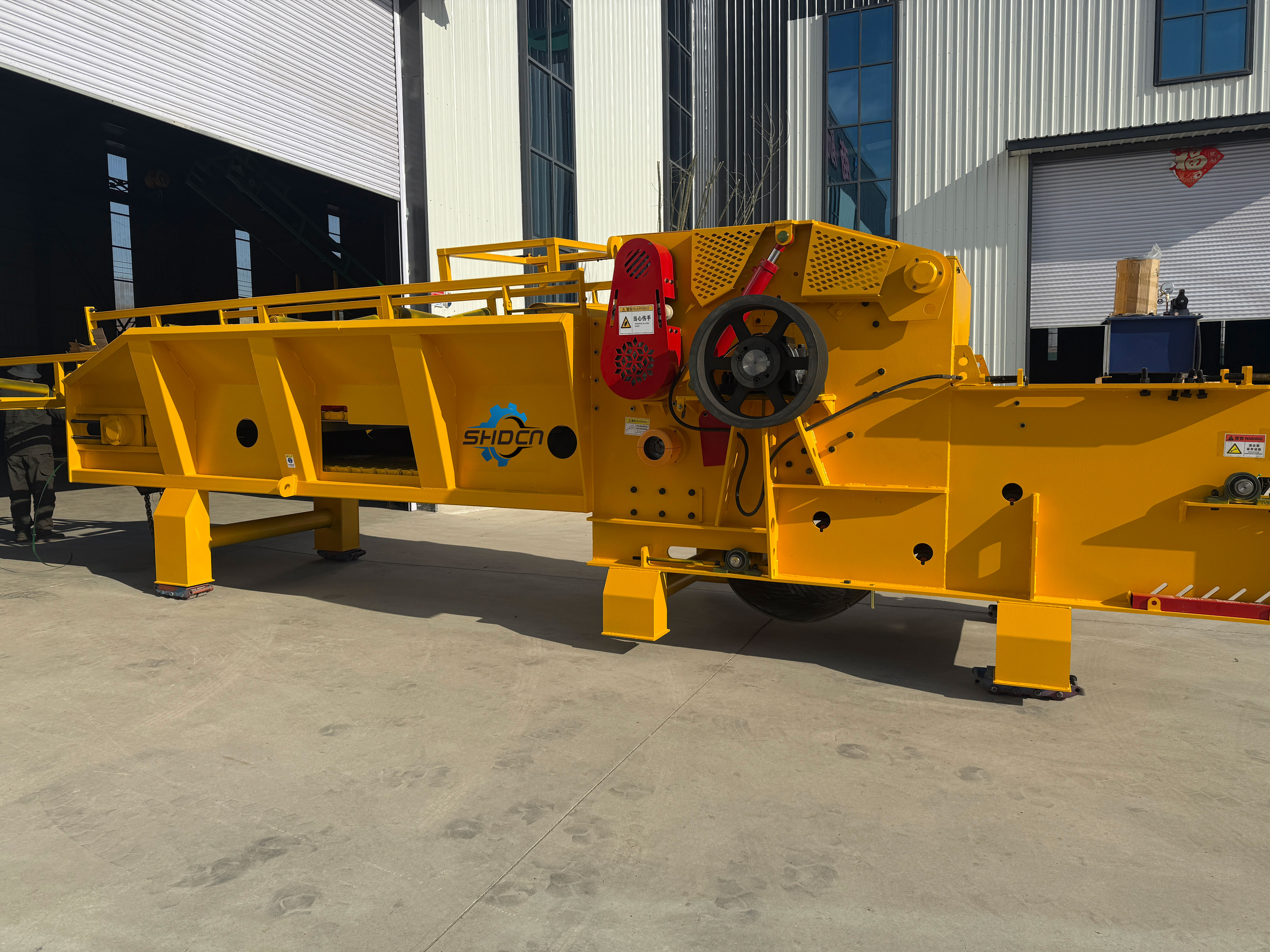
التنظيف والفحص الروتيني لمنع الأعطال التشغيلية
تأثير تراكم الحطام على كفاءة آلة تقطيع الخشب
عندما تتراكم الحطام حول مكائن تقطيع الخشب، فإن ذلك يقلل فعليًا من كفاءة هذه الماكينات. إذ يعيق هذا الحطام تدفق الهواء بشكل صحيح، ويجعل كل الأجزاء تعمل بجهد أكبر من اللازم، ويؤدي إلى ارتداء القطع بشكل أسرع من المعتاد. وتُحدث رقائق الخشب تلك، والراتنج اللاصق، وجزيئات الغبار الدقيقة احتكاكًا إضافيًا داخل النظام. مما يجبر المحركات على العمل بجهد أكبر فقط لاستكمال معالجة المواد، ما يعني نتائج قطع أسوأ وفواتير وقود أعلى، قد تزداد أحيانًا بنسبة تصل إلى 15%. وتأتي مشكلة أخرى من احتجاز الرطوبة ضد الأجزاء المعدنية حيث تبقى مستقرة وتبدأ تدريجيًا في صدأها شيئًا فشيئًا. وعلى مدار أشهر أو سنوات، يضعف هذا النوع من التآكل المكونات المهمة حتى تفشل تمامًا. كما أظهرت دراسة حديثة نُشرت في مجلة الصيانة الصناعية عام 2023 أمرًا مثيرًا للاهتمام أيضًا. فقد عملت الماكينات التي تم تنظيف الحطام منها بانتظام بشكل أفضل بنسبة 22% تقريبًا مقارنة بتلك المهملة، بالإضافة إلى حدوث انخفاض بلغ نحو 40% في الأعطال المفاجئة عندما التزمت فرق الصيانة بجداول التنظيف.
أفضل الممارسات للتنظيف بعد الاستخدام والتفتيش البصري
إن التنظيف المنتظم مباشرة بعد الاستخدام بالإضافة إلى الفحوصات البصرية الدقيقة يشكلان حجر الأساس للحفاظ الجيد على المعدات. وفيما يتعلق بالتطبيق العملي، يجب على المشغلين نفخ الغبار والأتربة من مناطق المحامل التي يصعب الوصول إليها وأنظمة الأحزمة باستخدام الهواء المضغوط. كما يجب مسح الأسطح أيضًا، ويفضل استخدام منظفات صديقة للبيئة تمنع تراكم الصمغ مع مرور الوقت. ولا تنسَ فحص الشفرات عن كثب بحثًا عن أي تلف مثل الشقوق الصغيرة أو الكسور الدقيقة. ويجب كذلك التحقق من خطوط الزيت الهيدروليكي للتأكد من عدم وجود تسريبات. ودائمًا قم باختبار ميزات السلامة للتأكد من عملها بشكل صحيح قبل تخزين المعدات. والأرقام تروي قصة مثيرة للاهتمام في هذا السياق أيضًا. فبيانات القطاع تُظهر أن الماكينات التي يتم تنظيفها بانتظام تتعرض لأعطال مفاجئة بنسبة أقل بنحو 60 بالمئة تقريبًا. علاوةً على ذلك، تميل القطع إلى أن تدوم أطول بنسبة حوالي 30% عندما تتم صيانتها بشكل سليم. وهذه الإحصائيات ليست مجرد أرقام مجردة، بل تمثل وفورات حقيقية في التكاليف وتحسينات في الكفاءة التشغيلية للشركات عبر العديد من الصناعات.
تنفيذ قائمة مراجعة يومية للتنظيف من أجل صيانة مستمرة.
إن وجود قائمة مراجعة يومية للتنظيف يساعد حقًا في الحفاظ على الاتساق بين المشغلين المختلفين ويقلل من تلك الأخطاء الصغيرة التي قد تؤدي إلى مشكلات كبيرة لاحقًا. ما هي الأساسيات؟ ابدأ بإزالة جميع الحطام العالق في غرفة التقطيع ومنطقة المخرج. فحص جيد لحواف الشفرات وسطح المواجهة بحثًا عن أي علامات تآكل أو تلف. تأكد من توفر ما يكفي من مادة التشحيم في الأماكن المهمة. تحقق من أحزمة النقل للتأكد من شدّها ومحاذاة صحيحة، لأن الأحزمة المترهلة تمثل مشكلة شائعة. ولا تنسَ اختبار أزرار إيقاف الطوارئ أيضًا للتأكد من عملها عند الحاجة إليها أكثر. وأيًا كان الأمر، سجّل أي شيء غير عادي على الفور. إن المصانع التي تلتزم بهذه الإجراءات تتمكن عادةً من توفير نحو 35٪ من نفقات الصيانة وتشهد انخفاضًا بنحو النصف في حالات الإيقاف المفاجئة مقارنة بتلك التي لا تتبع إجراءات مناسبة. وتدعم هذه النتيجة دراسة نُشرت في مجلة إدارة المعدات (Equipment Management Review) عام 2023.
اتجاه ناشئ: ميزات التنظيف الذاتي في آلات تقطيع الخشب الحديثة
تأتي آلات تقطيع الخشب اليوم مزودة بأنواع شتى من التقنيات ذاتية التنظيف التي تقلل من كمية الصيانة المطلوبة. فعلى سبيل المثال، هناك وظيفة الدورة العكسية التلقائية التي تقوم بإزالة الانسدادات المزعجة، إضافة إلى الشبكات الاهتزازية التي تمنع تراكم الحطام بشكل كبير. يُطبّق العديد من المصنّعين طلاءً من مادة التفلون على الأجزاء لمنع صمغ الخشب من الالتصاق في كل مكان، في حين تحتوي بعض الموديلات على أنظمة نفخ هواء مدمجة تنظف المكونات الرئيسية بسرعة بعد كل تشغيل. يشير الأشخاص الذين اشتروا هذه الآلات الجديدة مبكرًا إلى أنهم يقضون وقتًا أقل بنسبة 45 بالمئة تقريبًا في المهام الصيانية الروتينية. كما يبدو أن أداء معداتهم أفضل بشكل عام، مع ملاحظة المشغلين زيادة في الفعالية تبلغ نحو 25 بالمئة مقارنةً بآلات التقطيع القديمة.
صيانة الشفرات والسكاكين لتحقيق أقصى أداء قص
عواقب استخدام شفرات كليلة أو غير محاذَة على إجهاد الجهاز والسلامة
تؤدي الشفرات البالية أو غير المحاذية إلى مشكلات حقيقية أثناء التشغيل وتجعل الأداء أقل كفاءة. عندما تفقد الشفرات حدتها، يجب على الآلات أن تعمل بجهد أكبر بنسبة تصل إلى 40٪ فقط لقطع المواد، مما يضع ضغطًا إضافيًا على المحركات وعلى جميع الأجزاء المتحركة داخل الجهاز. ويؤدي هذا الجهد الزائد إلى ارتداء أسرع للأجزاء ويزيد من احتمالات الارتداد العكسي، بالإضافة إلى تناثر رقاقات بشكل غير متوقع - وهي مخاطر جسيمة لأي شخص يعمل على هذه الآلات. كما أن الاحتكاك الناتج عن عمليات القطع الصعبة يولّد حرارة زائدة بكثير، ما قد يتسبب في تلف الشفرات نفسها وإفساد المكونات الداخلية مع مرور الوقت، وأحيانًا يؤدي إلى أعطال كاملة. إن العناية الجيدة بالشفرات لا تقتصر فقط على تحسين نتائج الأداء، بل هي أمر بالغ الأهمية للحفاظ على سلامة العمال وتقليل التكاليف الناتجة عن الإصلاحات المكلفة لاحقًا.
التزييت الفعال للأجزاء المتحركة لتمديد عمر الآلة
كيف يؤدي الاحتكاك إلى التآكل المبكر لمكونات آلة تقطيع الخشب
تُعد الاحتكاك واحدة من الأسباب الرئيسية وراء مشكلات التآكل المبكر في مكائن تقطيع الخشب. عندما تتحرك الأجزاء ضد بعضها دون تزييت كافٍ، فإنها تولد حرارة تُسرّع عملية التلف. وماذا يحدث بعد ذلك؟ تبدأ الأسطح المعدنية في إنتاج جزيئات صغيرة عند احتكاكها مباشرة، ثم تدخل هذه الجزيئات إلى النظام وتزيد تدريجياً من المسافة بين المكونات المتحركة. وفقًا لبحث نُشر العام الماضي في مجلة تقنيات الصيانة، فإن نحو أربعين بالمئة من المحامل تتعرض لعطل مبكر بسبب عدم كفاية التزييت عبر مختلف الصناعات. وفي عمليات تقطيع الخشب الكبيرة حيث تكون مستويات العزم مرتفعة جدًا، تظهر علامات هذا النوع من التآكل بسرعة كبيرة. ويلاحظ المشغلون أولًا زيادة في استهلاك الطاقة، تليها اهتزازات مزعجة، ثم أجزاء غير محاذَة، وأخيرًا أعطال كاملة عندما لا تعود المكونات قادرة على تحمل المزيد من الإجهاد.
نقاط التزييت الحرجة: المحامل، المفصلات، ومناطق التدوير
توجد في مكائن تقطيع الخشب عدة نقاط ضعف تتطلب تشحيمًا دوريًا بشكل أساسي، خاصة حول المحامل، والمفاصل، ومناطق التدوير التي تتعرض للإجهاد الشديد أثناء التشغيل. فمحامل أسطوانة القطع تدور بسرع تتجاوز أحيانًا 1000 دورة في الدقيقة، وبالتالي فإنها تحتاج فعليًا إلى شحوم ثقيلة مخصصة للظروف الحرارية والضغط العالي. أما بالنسبة للمفاصل وأجزاء التعديل، فإن استخدام زيت أخف يُعد أكثر فاعلية لأنه يتغلغل داخل الفجوات الصغيرة دون أن يجذب الأوساخ والشوائب. ويجب فحص وتشحيم نقاط التدوير في أنظمة التغذية يوميًا تقريبًا لأنها تتحرك باستمرار وتتعامل مع كميات كبيرة من رقائق الخشب والمخلفات الأخرى الطائرة. وتعود معظم مشكلات التشحيم في الحقيقة إلى الإهمال في هذه المناطق الثلاث بالتحديد، وهو ما يُقدّره المختصون في القطاع بأنّه السبب في نحو 7 من كل 10 أعطال ناتجة عن ممارسات صيانة غير سليمة.
استخدام شحوم مقاومة للحرارة العالية في تطبيقات تقطيع الخشب الثقيلة
في تلك الظروف الصناعية القاسية حيث تؤدي الاحتكاكات إلى ارتفاع درجات الحرارة فوق 200 درجة فهرنهايت، فإن اختيار المزلق المناسب أمر بالغ الأهمية. يلجأ معظم الناس إلى الشحوم المعقدة ذات درجة الحرارة العالية من الليثيوم التي تحمل التصنيف NLGI Grade 2 لهذه المهام، لأنها تتماسك جيدًا عند ارتفاع الحرارة ولا تُغسل بسهولة عند التعرض للماء. تبقى هذه الشحوم في مكانها حتى في الظروف القاسية. ما الذي يجعلها فعّالة بهذا الشكل؟ حسنًا، تعمل إضافات مثل ثنائي كبريتيد الموليبدنيوم على تشكيل حواجز فعلية بين الأجزاء المعدنية، مما يقلل من التآكل والتلف مع مرور الوقت. بالنسبة لنجار الخشب الذين يتعاملون مع الراتنجات اللزجة، تصبح الخيارات الاصطناعية مهمة بشكل خاص. فهي أكثر مقاومة للمركبات الكيميائية الموجودة في أنواع معينة من الخشب، وتحvented تكون الرواسب اللزجة المزعجة داخل مكونات الآلات. وفي حالة عدم توفير الحماية المناسبة، تبدأ المعدات في الحركة ببطء شديد أو تتوقف تمامًا.
تطوير جدول تشحيم قائم على الاستخدام لتحقيق الحماية المثلى
تُطبَّق جداول التزييت بناءً على الاستخدام الفعلي بحيث تتماشى احتياجات الصيانة مع طريقة تشغيل المعدات فعليًا، مما يساعد في الحفاظ على التشغيل بموثوقية مع توفير الموارد. تحتاج الآلات التي تعمل بجد لمدة ثماني ساعات أو أكثر يوميًا إلى تزييت كل 40 إلى 50 ساعة تشغيل تقريبًا. أما تلك التي تعمل فقط من ثلاث إلى خمس ساعات يوميًا، فنُمدِّد عادةً الفترة بين عمليات التزييت إلى حوالي 80 إلى 100 ساعة. سترسل أنظمة المراقبة الحديثة للتشغيل إشعارات تلقائية عند بلوغ هذه الحدود الزمنية، بحيث لا يفوت المشغلون اللحظات الحرجة التي قد تبدأ عندها الأجزاء بالتعطل بسبب نقص المزيت أو تتعرض للتلف نتيجة إدخال كمية زائدة من الشحوم. يعمل النظام بأكمله بشكل أفضل لأنه يستند إلى بيانات تشغيل فعلية وليس إلى التخمين، ما يُطيل عمر المكونات ويجعل خطط الصيانة أكثر دقة بكثير.
عناية المحرك والسوائل لتشغيل موثوق لآلة تقطيع الخشب
آثار الزيت الملوث والوقود القديم على أداء المحرك
عندما تتسخ الزيوت أو يبدأ الوقود في التحلل، فإن المحركات ببساطة لم تعد تعمل بشكل صحيح. تنخفض القوة، وتعمل المكونات بجهد أكبر من اللازم، وفي النهاية يحدث عطل كامل. فالمشحوم القديم لم يعد قادرًا على أداء وظيفته بالشكل المطلوب، وبالتالي تبدأ الأجزاء المعدنية في الاحتكاك ببعضها البعض، مما يؤدي إلى اهترائها بوتيرة أسرع بكثير من المعتاد. كما أن البنزين الممزوج بالإيثانول، إذا بقي دون استخدام لفترة طويلة، يمتص الرطوبة من الهواء، ما يؤدي تدريجيًا إلى تآكل خطوط الوقود والكربوراتير. ويؤدي ذلك إلى مشاكل في عملية احتراق الوقود داخل المحرك، وقد يتسبب في توقف المركبات فجأة عند الحاجة إلى أقصى قدر من القوة. ووفقًا لأبحاث حديثة أجراها خبراء صيانة المعدات في عام 2023، فإن كل هذه المشاكل تقلل من الكفاءة الإجمالية، وترفع احتمال الحاجة إلى إصلاحات بنسبة تصل إلى 40%. وهذا النوع من المخاطر يتراكم بسرعة كبيرة بالنسبة لأي شخص يعتمد على معداته يومًا بعد يوم.
الفترات الزمنية الموصى بها لصيانة الزيت، والمرشح، ونظام الوقود
الالتزام بما تحدده الشركة المصنعة بشأن جداول الصيانة يُحدث فرقًا حقيقيًا في مدى موثوقية المعدات ومدة عمر المحرك الكلي. يجد معظم الأشخاص أنهم بحاجة إلى تغيير الزيت ما بين 50 و100 ساعة من التشغيل، على الرغم من أن المحركات الجديدة عادةً تتطلب أول تغيير زيت عند علامة 20 ساعة تقريبًا. أما بالنسبة لمرشحات الوقود، فإن استبدالها كل 200 ساعة تقريبًا يكون مناسبًا، أو أحيانًا مرة واحدة فقط في الموسم حسب أنماط الاستخدام. كما يجب إيلاء اهتمام لمرشحات الهواء – فمن الحكمة فحصها كل ربع من مائة ساعة، وبطبيعة الحال استبدالها متى ما تراكم الأوساخ بشكل كافٍ للحد من تدفق الهواء. يلاحظ الأشخاص الذين يتّبعون هذه الخطوات المنتظمة للصيانة أن محركاتهم تدوم أطول بنسبة ثلاثين بالمئة تقريبًا مقارنةً بأولئك الذين ينتظرون حتى يحدث عطل قبل اتخاذ أي إجراء.
استخدام مواد ثبات الوقود واتباع إرشادات الشركة المصنعة
تحافظ مثبتات الوقود على جودة الوقود الجيدة لمدة تصل إلى عامين تقريبًا عن طريق منع الإيثانول من الانفصال والحفاظ على الرطوبة من دخول الوقود المخزن. أما بالنسبة للزيوت والمرشحات، فيجب الالتزام بدقة بما يوصي به المصنعون فيما يتعلق بتصنيفات اللزوجة ونماذج المرشحات وما إذا كانت السوائل المختلفة متوافقة مع بعضها البعض. وقد يؤدي الخطأ في هذا الأمر ليس فقط إلى إبطال الضمان، بل أيضًا إلى حدوث مشكلات كبيرة في الأداء لاحقًا. إن العناية المنتظمة بجميع هذه السوائل جنبًا إلى جنب مع اتباع جداول الصيانة المناسبة هي ما يبقي المعدات تعمل بسلاسة على المدى الطويل، بدلًا من تعطلها فجأة بعد إهمالها لشهور متتالية.
التخزين الموسمي والتخطيط للصيانة من أجل زيادة العمر الافتراضي
إن التخزين الموسمي الصحيح أمر بالغ الأهمية لتعظيم عمر آلة تقطيع الخشب. فقد يؤدي الخمول الطويل، خاصة في البيئات الرطبة أو الباردة، إلى التدهور في حالة عدم إعداد الجهاز بشكل كافٍ.
منع الصدأ والتآكل أثناء التخزين في فترة التوقف
يبقى تلف المياه المشكلة الأكبر للأجزاء المعدنية عند التخزين. بمجرد تنظيف كل شيء، قم بوضع طبقة جيدة من رذاذ مضاد للصدأ على المناطق العرضة مثل الشفرات والأغطية وفتحات الإخراج. عند تخزين الأدوات لفترات طويلة، فإن الأكياس أو الناشرين الحامية بالتبخر (VCI) تكون فعالة جداً أيضاً. هذه الأجهزة الصغيرة تطلق أبخرة واقية تحارب الصدأ داخل المناطق التي يصعب الوصول إليها. تدعم الأرقام هذا الأمر بشكل جيد؛ فبيانات الصناعة تشير إلى أن الحماية الجيدة من الصدأ توفر على الشركات حوالي 40٪ من تكاليف قطع الغيار خلال خمس سنوات فقط. وهذا منطقي بالفعل: توفير المال مع الحفاظ على حالة المعدات أفضل لفترة أطول.
خطوات أساسية لتوفير الحماية الشتوية لآلات تقطيع الخشب
عند تجهيز المعدات لفصل الشتاء، تحتاج بعض السوائل والمكونات الحساسة إلى عناية إضافية. ابدأ بتصريف أي مياه راكدة من الآلات واستبدلها بحلول مضادة للتجمد مناسبة كلما أمكن ذلك. ويجب أيضًا إيلاء اهتمام خاص للزيت الهيدروليكي. تحقق من كثافته وفكر في التحول إلى خليط شتوي إذا أصبح الزيت العادي كثيفًا جدًا عند انخفاض درجات الحرارة. بالنسبة لأنظمة الوقود، فإن إضافة مثبت أمر ضروري. بعد الإضافة، دع المحرك يعمل لبضع دقائق حتى ينتشر الوقود المعالج عبر النظام بالكامل قبل إيقاف تشغيل كل شيء للتخزين. هذه الخطوة البسيطة تمنع التآكل وتحافظ على التشغيل السلس مع حلول الربيع.
استخدام طلاءات واقية وبيئات تخزين جافة
الطريقة التي نخزن بها معداتنا تُحدث فرقًا كبيرًا من حيث مدة بقائها صالحة للاستخدام. من الناحية المثالية، يجب أن توضع الآلات في الداخل حيث تكون محمية من العوامل الجوية، بعيدًا عن الأماكن الرطبة وخارج نطاق متناول مياه الأمطار. عند الاضطرار إلى التخزين في الخارج، يجب استخدام غطاء مناسب يسمح بمرور الهواء لكنه يمنع دخول الماء تمامًا. ولا تنسَ حماية الأسطح المطلية باستخدام شمع عالي الجودة، كما يجب تزويت الأجزاء المتحركة بمادة مضادة للصدأ. من أجل الحفاظ الجاد على المعدات، فإن المرافق الخاضعة للتحكم المناخي تستحق بالتأكيد النظر فيها، رغم أن معظم الناس يجدونها باهظة الثمن بعض الشيء. ومع ذلك، يمكن أن تساعد حتى الاحتياطات الأساسية في جعل المعدات تدوم لمواسم إضافية دون أن تتعرض لأضرار كبيرة من المفاجآت الصغيرة التي تسببها الطبيعة.
اعتماد السجلات الرقمية وأنظمة تذكير الصيانة
يبقى الصيانة على المسار الصحيح عندما نستخدم الأدوات الرقمية، خاصةً عند الحفاظ على السجلات بشكل منظم. إن الممارسة الجيدة هي الاحتفاظ بدفتر سجل رقمي يتم فيه توثيق جميع أعمال التحضير للتخزين بشكل صحيح. وهذا يعني تسجيل تواريخ إجراء الخدمات، والمنتجات التي تم استخدامها خلال تلك الجلسات، بالإضافة إلى أي مشكلات ملحوظة يتم اكتشافها أثناء العملية. يجد معظم الناس أن إعداد تنبيهات تلقائية مفيد جدًا لتذكيرهم بالفحوصات السنوية أو المهام الدورية الأخرى من خلال منصة إدارة المعدات المفضلة لديهم، أو حتى عبر وظائف التقويم الأساسية في الهواتف الذكية حاليًا. ما الذي يجعل هذه الأساليب الرقمية ذات قيمة؟ فهي تساعد في تحمل الجميع المسؤولية عن أجزاء مختلفة من الصيانة، وتسهل معرفة ما الذي حدث خطأً عندما تظهر المشكلات، وتوفر دليلًا مكتوبًا يوضح كيفية صيانة الأشياء على مر السنين.
تخصيص جدول صيانة شامل حسب الطراز والاستخدام
يجب أن تتماشى خطط الصيانة الجيدة مع نوع الجهاز الذي نتحدث عنه، وموقعه (فدرجة الحرارة مهمة)، ومدى استخدام الأشخاص له يوميًا. وتُعد الكتيبات الإرشادية الخاصة بالمصنع نقاط بداية مناسبة بالتأكيد، لكن الواقع يختلف عن التعليمات المكتوبة على الورق. فخذ على سبيل المثال المعدات التجارية التي تُستخدم طوال اليوم مقابل جهاز موجود في كراج ويُستخدم بين الحين والآخر. تحتاج الأجهزة المستخدمة بكثافة إلى الفحص بشكل متكرر أكثر بكثير. وعليك تسجيل الجدول الزمني الأنسب لكل حالة ومراجعته مرة كل سنة تقريبًا. وقم بتعديل الأمور عند ظهور مشكلات أو عندما تبدأ أنماط معينة بالظهور بعد أشهر من التشغيل.
قسم الأسئلة الشائعة
ما مدى تكرار تنظيف آلات تقطيع الخشب؟
يجب تنظيف آلات تقطيع الخشب بانتظام، ومن الأفضل القيام بذلك بعد كل استخدام، لمنع تراكم الحطام الذي يؤثر على الأداء.
لماذا تعد التزليق ضرورية لآلات تقطيع الخشب؟
يقلل التزليق من الاحتكاك، مما يمنع التآكل المبكر ويعزز عمر الجهاز وكفاءته.
ما هي فوائد استخدام السجلات الرقمية للصيانة؟
تساعد السجلات الرقمية في الحفاظ على سجلات دقيقة، وضمان الصيانة في الوقت المناسب، وتوفر الشفافية والكفاءة في إدارة المعدات.
كيف تؤثر بيئة التخزين على آلات تقطيع الخشب؟
يحمي التخزين الصحيح الآلات من الأضرار البيئية مثل الصدأ والتآكل، مما يطيل من عمرها الافتراضي.
ما الفترات الزمنية الموصى بها لتغيير الزيت والفلاتر؟
عادةً ما يُوصى بتغيير الزيت كل 50 إلى 100 ساعة، وتغيير فلتر الوقود كل حوالي 200 ساعة، وفقًا لإرشادات الشركة المصنعة.