
 EN
EN
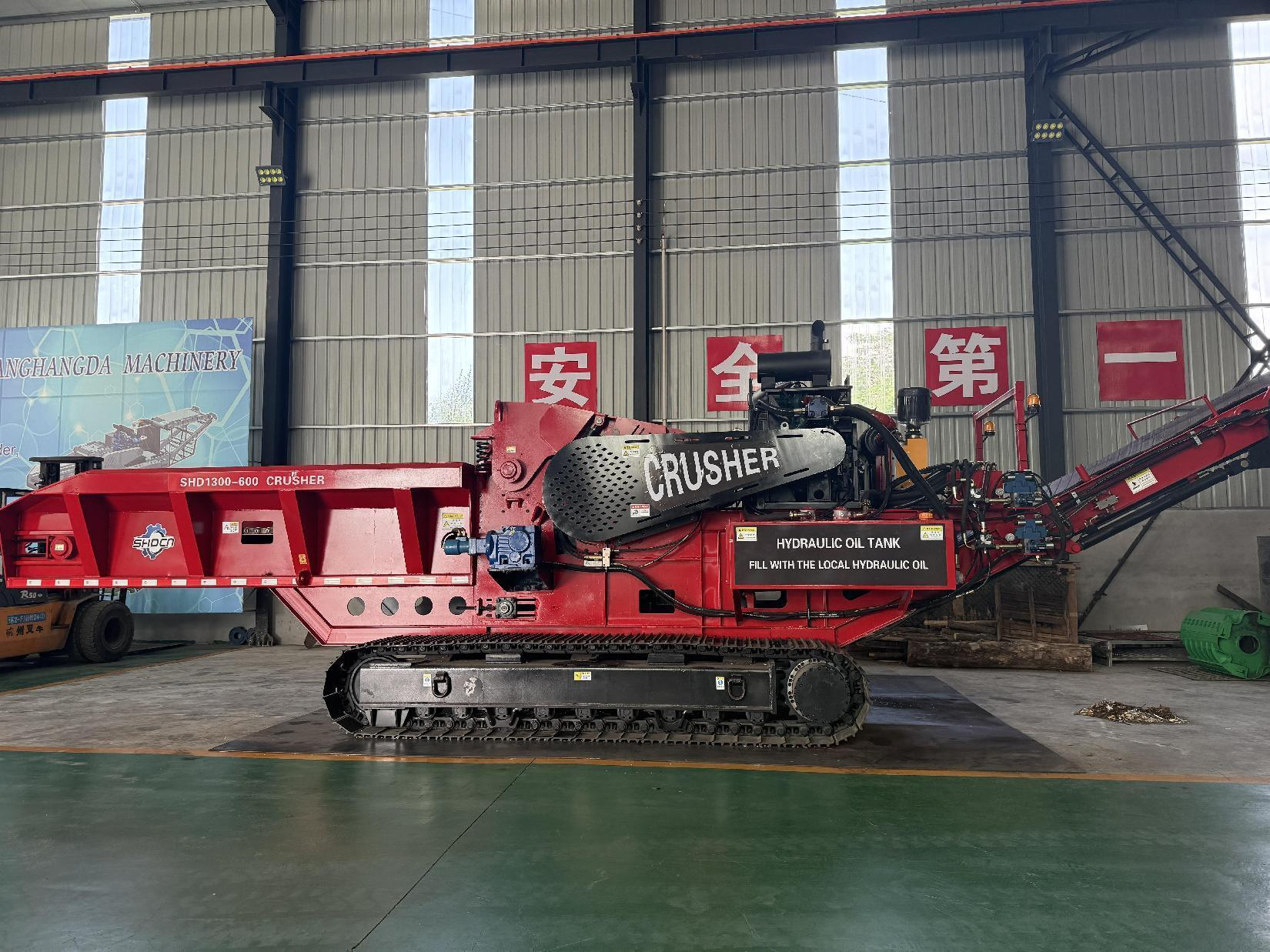
Công suất và Hiệu suất Vượt trội trong Các Ứng dụng Nặng
Mô-men xoắn Cao của Động cơ Diesel để Băm Nhỏ Hiệu quả
Động cơ diesel tạo ra mô-men xoắn lớn hơn nhiều ở vòng tua thấp so với động cơ xăng tương ứng, đó là lý do vì sao chúng hoạt động hiệu quả khi vận hành máy nghiền gỗ để xử lý các vật liệu cứng như loại gỗ đặc hoặc có sợi. Lực mạnh ở dải vòng tua thấp giúp những cỗ máy này duy trì hoạt động trơn tru mà không bị dừng hay chết máy, ngay cả khi xử lý các loại gỗ cứng dai hoặc gỗ tươi ướt vốn dễ gây tắc nghẽn. Đối với những người vận hành máy nghiền này hàng ngày, điều này đồng nghĩa với việc họ có thể đưa nguyên liệu vào máy một cách liên tục mà không phải dừng máy thường xuyên, từ đó tích lũy hiệu suất theo thời gian và duy trì năng suất cao trong suốt những ca làm việc dài.
Cách Năng Lượng Diesel Cho Phép Xử Lý Đáng Tin Cậy Các Cành Dày Và Gốc Cây
Động cơ diesel có mô-men xoắn khá lớn, điều này tạo nên sự khác biệt khi xử lý những cành cây dày và gốc nhỏ mà các máy nghiền chạy bằng xăng thường gặp khó khăn. Nhiều mẫu máy diesel thực sự có thể nghiền gỗ có đường kính lớn bằng một chiếc đĩa ăn, khoảng 12 inch, nhờ hệ thống cắt mạnh mẽ và duy trì hiệu suất ngay cả sau nhiều giờ làm việc. Những người làm lâm nghiệp và công nhân dọn đất cần độ tin cậy như vậy vì không có hai công việc nào giống nhau về quy mô. Lúc thì họ đang xử lý cây non, lúc khác lại phải đối mặt với những cây cổ thụ, và thiết bị chỉ cần tiếp tục hoạt động mà không bị hao hụt sức mạnh.
Nghiên cứu trường hợp: Hoạt động lâm nghiệp sử dụng máy nghiền gỗ diesel trên 75 HP
Khi xem xét dữ liệu từ các hoạt động lâm nghiệp gần đây, hóa ra các máy nghiền gỗ chạy bằng diesel có công suất trên 75 mã lực có thể xử lý khối lượng vật liệu nhiều hơn khoảng 40 phần trăm mỗi giờ so với các mẫu dùng xăng tương ứng. Những chiếc máy lớn hơn này duy trì hiệu suất mạnh mẽ trong suốt cả ngày làm việc, vận chuyển khoảng 15 tấn cành cây và khúc gỗ mỗi ngày. Chúng cũng ít hỏng hóc hơn và tiêu thụ ít nhiên liệu hơn cho mỗi tấn vật liệu được xử lý. Các công nhân lâm nghiệp đã sử dụng những mẫu máy hạng nặng này báo cáo rằng chúng xử lý mọi loại từ gỗ cứng đến các loại mềm hơn mà không có sự suy giảm đáng kể nào về tốc độ hay công suất trong quá trình vận hành bình thường.
Xu hướng: Hệ thống Diesel tăng áp tăng cường hiệu suất ở các thiết bị hiện đại
Ngày nay, hầu hết các máy xay gỗ chạy diesel đều được trang bị động cơ tăng áp vì chúng mạnh hơn mà không tốn thêm nhiên liệu. Hệ thống tăng áp có thể tăng công suất khoảng 30 phần trăm so với các mẫu không tăng áp cùng kích cỡ, nghĩa là các nhà sản xuất có thể chế tạo những máy nhỏ hơn nhưng vẫn hoàn thành công việc một cách nhanh chóng. Một lợi ích lớn khác của các hệ thống tăng áp này là khả năng hoạt động hiệu quả trong không khí loãng ở độ cao lớn. Những người vận hành làm việc ở vùng núi hoặc nơi hẻo lánh sẽ không gặp phải sự suy giảm hiệu suất như khi dùng động cơ thông thường khi lượng oxy giảm.
Lý tưởng cho các khu đất rộng và môi trường ngoài trời xa xôi
Đối với các khu đất lớn hơn 50 mẫu, máy nghiền gỗ chạy diesel thực sự phát huy hiệu quả vì chúng sở hữu công suất mạnh mẽ nhưng vẫn hoạt động độc lập. Những thiết bị này có thể di chuyển tự do mà không cần điện, điều này tạo nên sự khác biệt lớn khi làm việc ở những khu vực xa xôi nơi không thể tiếp cận đường dây điện. Hãy nhìn vào sự việc đã xảy ra ở vùng nông thôn Texas năm ngoái. Các chủ đất ở đó bắt đầu sử dụng máy nghiền di động chạy diesel để dọn cây bụi trên đất của họ. Thay vì cố gắng xử lý mọi thứ cùng lúc, họ chia công việc thành các phần nhỏ dễ quản lý trong vài tuần. Kết quả? Tiến độ kiểm soát thực vật trên hàng trăm mẫu đất được đẩy nhanh đáng kể. Khi người vận hành lên kế hoạch tuyến đường cẩn thận và quản lý tiêu thụ nhiên liệu một cách hợp lý, những thiết bị hạng nặng này có thể xử lý ngay cả những công việc ngoài trời khó khăn với hiệu suất đáng kinh ngạc.
Hiệu Suất Nhiên Liệu và Những Xem Xét Về Môi Trường Đang Thay Đổi
Tiêu Thụ Nhiên Liệu Thấp Hơn Trên Mỗi Tấn So Với Máy Nghiền Chạy Xăng
Các máy nghiền gỗ chạy bằng diesel thực tế tiêu thụ ít nhiên liệu hơn cho mỗi tấn vật liệu xử lý so với các mẫu dùng xăng. Tại sao? Vì diesel có năng lượng cao hơn khoảng 15 phần trăm trên mỗi gallon so với xăng thông thường. Điều này có ý nghĩa gì trong thực tế? Khoảng thời gian giữa các lần đổ nhiên liệu kéo dài hơn, nghĩa là người vận hành không cần phải dừng lại thường xuyên trong các dự án lớn. Và khi thực hiện các hoạt động dọn dẹp quy mô lớn nơi việc cung cấp nhiên liệu đến các khu vực hẻo lánh rất khó khăn, những khoản tiết kiệm này sẽ tích lũy đáng kể theo thời gian. Chi phí vận hành do đó giảm một cách tự nhiên, khiến các máy chạy diesel trở thành lựa chọn thông minh hơn cho các công việc lâm nghiệp nghiêm túc.
Đốt cháy sạch hơn: Động cơ diesel Tier 4 Final giảm phát thải tới 90% như thế nào
Các động cơ diesel mới nhất đạt tiêu chuẩn Tier 4 Final đang có những bước tiến lớn trong việc giảm phát thải, cắt giảm khoảng 90% lượng bụi mịn và oxit nitơ so với các phiên bản cũ hơn trên thị trường. Điều gì làm nên điều này? Những máy móc này được trang bị công nghệ xử lý sau hiện đại như bộ lọc hạt diesel (DPF) và hệ thống giảm phát thải chọn lọc bằng xúc tác (SCR), giúp loại bỏ hiệu quả các chất độc hại trước khi chúng thoát ra khỏi ống xả. Các quy định từ Cơ quan Bảo vệ Môi trường đã thúc đẩy những cải tiến này theo tiêu chuẩn Tier 4 của họ, nghĩa là máy nghiền diesel ngày nay có thể vận hành sạch hơn bao giờ hết, đồng thời vẫn đảm bảo đầu ra công suất mạnh mẽ cho các công trường đòi hỏi khắt khe.
Cân bằng Tác động Carbon với Tần suất Vận hành Giảm
Động cơ diesel tuy tạo ra khí thải CO2, nhưng chúng hoàn thành công việc nhanh hơn nhiều so với các loại động cơ khác. Thực tế là, khi các dự án hoàn thành sớm hơn và máy móc hoạt động ít giờ hơn, thì tác hại đến môi trường do thời gian chạy không tải hoặc hoạt động ở mức hiệu suất thấp lại càng giảm. Hãy nghĩ theo cách này: nếu một thiết bị có thể hoàn thành nhiệm vụ trong thời gian ngắn hơn một nửa trong khi đốt nhiên liệu hiệu quả hơn, thì nó sẽ không thải ra nhiều chất gây ô nhiễm trong suốt vòng đời của mình. Các nhà quản lý đất đai muốn giảm thiểu tác động đến môi trường cần xem xét những sự đánh đổi thực tế giữa lượng khí thải tức thời và hiệu quả hoạt động lâu dài.
Chiến lược: Tính toán và Giảm thiểu Dấu chân Carbon khi Sử dụng Máy Băm Gỗ Chạy Diesel
Đối với những người muốn giảm lượng khí thải tác động đến môi trường, các chiến lược quản lý carbon thông minh thực sự tạo nên sự khác biệt. Theo dõi lượng nhiên liệu bị đốt cháy, lên lịch kiểm tra bảo trì vào thời điểm tối ưu và đảm bảo sử dụng đúng kích cỡ lưỡi dao phù hợp với loại vật liệu đang xử lý đều giúp nâng cao hiệu quả vận hành. Bộ lọc không khí sạch, vòi phun nhiên liệu hoạt động đúng cách và hệ thống xả khí được bảo dưỡng định kỳ giúp động cơ hoạt động tốt nhất trong các chu kỳ đốt cháy. Khi đưa nguyên liệu vào thiết bị, người vận hành cần chú ý tránh tình trạng quá tải và điều chỉnh tốc độ động cơ dựa trên độ đặc của vật liệu thực tế. Những điều chỉnh nhỏ này góp phần đáng kể trong việc giảm sản phẩm thải ra cũng như khí thải độc hại trong nhiều hoạt động công nghiệp khác nhau.
So sánh: Máy nghiền gỗ chạy diesel, xăng và điện dùng cho mục đích chuyên nghiệp
Mật độ năng lượng và thời gian hoạt động: Vì sao các mẫu chạy diesel vượt trội hơn mẫu chạy xăng và điện
Lượng năng lượng bổ sung được nén trong nhiên liệu diesel mang lại thời gian hoạt động dài hơn so với cả hai lựa chọn xăng và điện. Với khoảng 15 phần trăm năng lượng nhiều hơn mỗi gallon, điều này đồng nghĩa với việc cần đổ nhiên liệu ít thường xuyên hơn—một yếu tố rất quan trọng khi làm việc suốt cả ngày tại các công trường. Các máy nghiền điện cũng có những ưu điểm riêng: chúng vận hành sạch sẽ và không gây nhiều tiếng ồn, nhưng lại đòi hỏi phải luôn có sẵn nguồn điện hoặc máy phát điện dự phòng, điều này thực sự hạn chế nơi có thể sử dụng chúng. Dụng cụ chạy bằng xăng cũng khá di động, đúng vậy, nhưng chúng không thể sánh bằng diesel về mặt công suất thô hay khả năng làm việc liên tục mà không phải dừng lại thường xuyên để tiếp nhiên liệu. Đối với những công việc yêu cầu vận hành liên tục trong nhiều giờ, diesel vẫn là lựa chọn vượt trội rõ rệt, bất chấp những gì một số tài liệu quảng cáo có thể tuyên bố ngược lại.
Nghiên cứu điển hình: So sánh hiệu suất trong các hoạt động dọn dẹp rừng
Trong quá trình thử nghiệm thực tế, chúng tôi nhận thấy các máy xay gỗ chạy diesel có thể xử lý khoảng 4,2 tấn gỗ cứng hỗn hợp mỗi giờ, một con số khá ấn tượng so với các mẫu chạy xăng chỉ đạt 2,8 tấn và các mẫu điện thậm chí còn khó chạm mốc 1,5 tấn. Các máy chạy diesel có thể hoạt động liên tục suốt ca làm việc 8 giờ mà không cần dừng để tiếp nhiên liệu, trong khi thiết bị dùng xăng phải được đổ đầy lại nhiều lần trong ngày. Máy xay điện bắt đầu giảm hiệu suất sau khoảng ba giờ do dây điện vướng víu và pin nhanh cạn. Khi phải xử lý khối lượng lớn hoặc vật liệu nặng, sự khác biệt càng trở nên rõ rệt. Động cơ diesel sở hữu mô-men xoắn tuyệt vời, cho phép chúng xử lý gỗ ướt, gỗ đặc hoặc những mảnh gỗ có hình dạng bất thường—những loại vật liệu này có thể làm tê liệt hoàn toàn các mẫu máy chạy xăng và điện.
Khi nào nên chọn máy chạy xăng, điện hay diesel dựa trên quy mô và vị trí công việc
Việc chọn máy xay phù hợp thực sự phụ thuộc vào loại công việc cần làm, vị trí thực hiện và cách di chuyển vật liệu. Các thiết bị chạy điện rất phù hợp cho các công việc trong sân vườn, những khu đất nhỏ hoặc những nơi mà tiếng ồn có thể ảnh hưởng đến người xung quanh, vì chúng xử lý được cành cây dày tới khoảng 3 inch mà không gây nhiều phiền toái. Đối với các khu đất vừa phải hoặc các công trình thương mại phát sinh thỉnh thoảng, máy chạy xăng là lựa chọn hợp lý hơn do khả năng di chuyển linh hoạt hơn so với thiết bị điện, mặc dù chúng tiêu thụ nhiên liệu nhanh hơn và đòi hỏi bảo trì thường xuyên hơn. Khi quy mô hoạt động vượt quá 50 mẫu Anh hoặc khi làm việc ở những khu vực xa lưới điện, máy nghiền chạy diesel trở thành thiết bị ưu tiên. Chúng có thể hoạt động liên tục bất chấp điều kiện, điều này rất quan trọng khi cần xử lý khối lượng lớn vật liệu. Trước khi mua, hãy cân nhắc xem nhiên liệu có dễ tiếp cận hay không, logistics vận chuyển, quy định địa phương, và đừng quên tính đến tất cả các chi phí ẩn tích lũy theo thời gian.
Tính Năng Tiên Tiến và Hiệu Quả Vận Hành trong Các Máy Băm Diesel Hiện Đại
Điều Khiển Tự Động Nhập Liệu và Công Nghệ Giảm Kẹt
Các máy băm diesel mới nhất được trang bị hệ thống điều khiển nhập liệu thông minh theo dõi tải động cơ trong thời gian thực, tự động điều chỉnh tốc độ đưa nhánh vào tùy theo kích cỡ và độ cứng của chúng. Điều này có nghĩa là ít xảy ra tình trạng kẹt hơn trong quá trình vận hành, giúp duy trì hoạt động ổn định phần lớn thời gian và tăng năng suất giữa các lần dừng máy. Vì lý do an toàn, những máy này cũng được tích hợp chức năng ngắt thủy lực cùng các tấm chắn bảo vệ lớn xung quanh khu vực nạp liệu. Những cải tiến này không chỉ giúp người vận hành cảm thấy an toàn hơn mà còn giảm thiểu thời gian ngừng hoạt động khi có vật liệu bị kẹt bên trong máy. Thật sự rất thông minh khi nghĩ về khoản tiền tiết kiệm được do giảm thời gian chết.
Cảm Biến Tải Động Cơ và Tự Động Điều Chỉnh Tốc Độ để Đạt Hiệu Suất Tối Ưu
Các động cơ diesel hiện đại đạt tiêu chuẩn Tier 4 Final được trang bị công nghệ cảm biến tải trọng, có khả năng thay đổi tốc độ roto và tốc độ cấp liệu tùy theo loại vật liệu đang xử lý. Kết quả? Chất lượng mùn gỗ được cải thiện đáng kể và tiết kiệm nhiên liệu hơn. Một số mẫu máy thậm chí tiết kiệm khoảng 15% nhiên liệu so với các máy tốc độ cố định đời cũ. Dù đang xử lý gỗ thông mềm hay gỗ sồi cứng như đá, các động cơ này tự động điều chỉnh để đạt công suất tối đa đồng thời vẫn sử dụng năng lượng một cách hiệu quả.
Chẩn đoán từ xa và Hệ thống truyền dẫn dữ liệu trong các đội máy nghiền gỗ diesel thương mại
Các hệ thống truyền dẫn dữ liệu giờ đây cho phép quản lý đội xe theo dõi từ xa số giờ hoạt động của máy, tình trạng động cơ và vị trí thiết bị. Theo các báo cáo ngành, các hoạt động sử dụng thiết bị tích hợp truyền dẫn dữ liệu giảm được 30% thời gian ngừng hoạt động ngoài kế hoạch nhờ cảnh báo bảo trì dự đoán. Các chẩn đoán dựa trên nền tảng điện toán đám mây cho phép phát hiện sự cố sớm, ngăn chặn các vấn đề nhỏ leo thang thành sự cố lớn.
Chiến lược: Sử dụng Phân tích Dữ liệu để Tối đa Thời gian Hoạt động và Lên Lịch Bảo trì
Các hoạt động tiên phong tận dụng dữ liệu từ hệ thống truyền dẫn để thực hiện các chiến lược bảo trì dự đoán. Bằng cách phân tích các mẫu khối lượng công việc và các chỉ số hiệu suất động cơ, quản lý có thể lên lịch bảo dưỡng trong những thời điểm ngưng nghỉ tự nhiên, tránh gián đoạn trong mùa cao điểm. Cách tiếp cận dựa trên dữ liệu này giúp kéo dài tuổi thọ thiết bị đến 25%, giảm chi phí sửa chữa và tối đa hóa khả năng sẵn sàng của đội xe.
Các câu hỏi thường gặp
Tại sao động cơ diesel được ưu tiên sử dụng cho máy nghiền gỗ?
Động cơ diesel được ưa chuộng do mô-men xoắn cao ở vòng tua thấp, đảm bảo xử lý hiệu quả các vật liệu đặc mà không bị dừng máy thường xuyên.
Ưu điểm của động cơ diesel tăng áp là gì?
Động cơ diesel tăng áp cung cấp công suất lớn hơn mà không tiêu hao thêm nhiên liệu và hoạt động tốt hơn khi thay đổi độ cao, cải thiện hiệu suất ở những khu vực cao nguyên.
Động cơ Tiêu chuẩn Tier 4 Final mang lại lợi ích gì cho máy nghiền gỗ chạy diesel?
Động cơ Tier 4 Final giảm đáng kể lượng khí thải, giúp máy nghiền gỗ chạy diesel trở nên thân thiện với môi trường bằng cách giảm bụi mịn và oxit nitơ.
Tại sao máy nghiền gỗ chạy diesel lý tưởng cho các khu vực hẻo lánh?
Máy nghiền gỗ chạy diesel hoạt động độc lập, không phụ thuộc vào điện lưới và đặc biệt hiệu quả tại các khu đất rộng lớn, hẻo lánh nơi không có sẵn nguồn điện.
Mục Lục
- Công suất và Hiệu suất Vượt trội trong Các Ứng dụng Nặng
- Lý tưởng cho các khu đất rộng và môi trường ngoài trời xa xôi
- Hiệu Suất Nhiên Liệu và Những Xem Xét Về Môi Trường Đang Thay Đổi
- So sánh: Máy nghiền gỗ chạy diesel, xăng và điện dùng cho mục đích chuyên nghiệp
-
Tính Năng Tiên Tiến và Hiệu Quả Vận Hành trong Các Máy Băm Diesel Hiện Đại
- Điều Khiển Tự Động Nhập Liệu và Công Nghệ Giảm Kẹt
- Cảm Biến Tải Động Cơ và Tự Động Điều Chỉnh Tốc Độ để Đạt Hiệu Suất Tối Ưu
- Chẩn đoán từ xa và Hệ thống truyền dẫn dữ liệu trong các đội máy nghiền gỗ diesel thương mại
- Chiến lược: Sử dụng Phân tích Dữ liệu để Tối đa Thời gian Hoạt động và Lên Lịch Bảo trì
- Các câu hỏi thường gặp