
 EN
EN
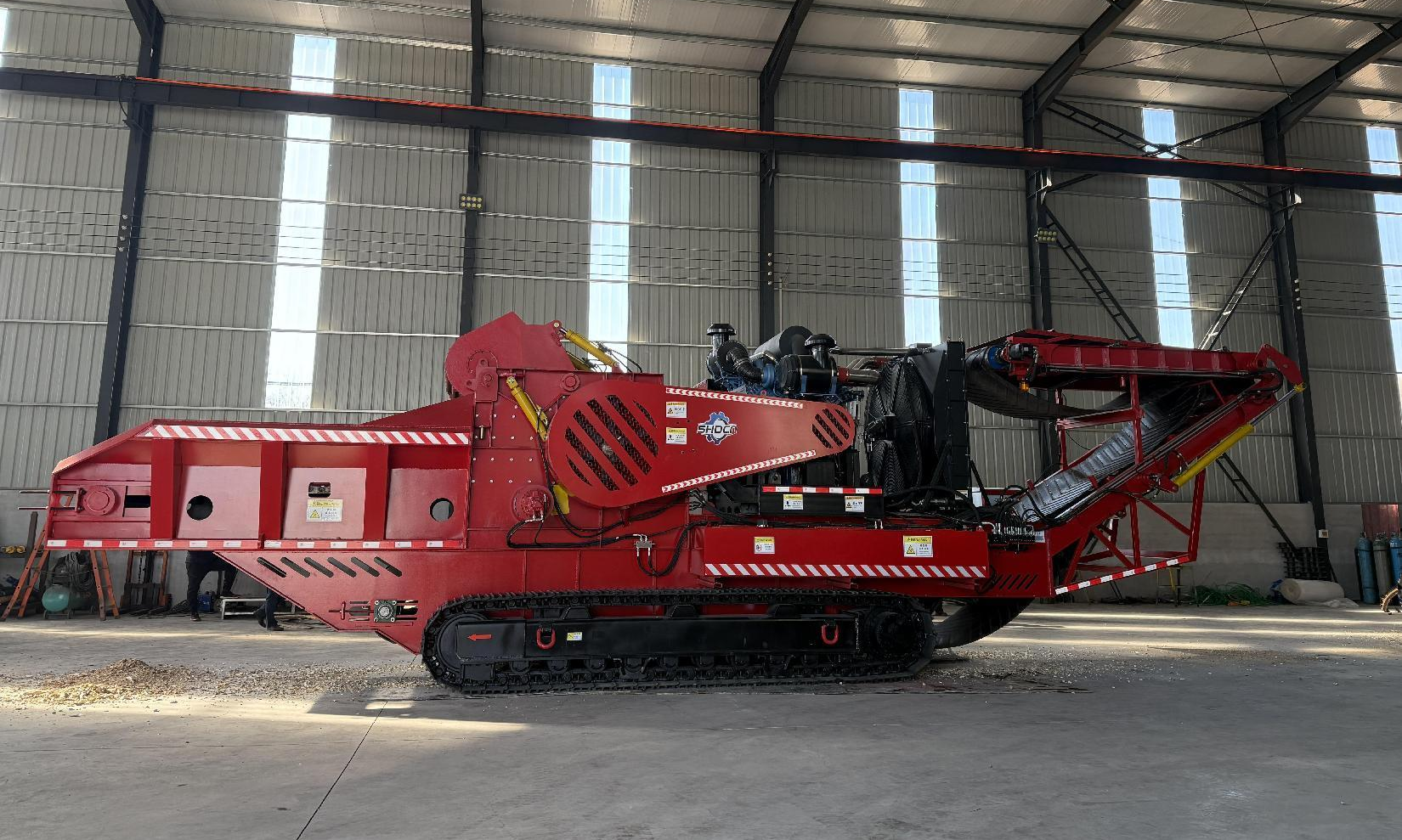
Why Mixed Wood Feedstock Demands Specialized Wood Chipper Shredder Capabilities
How Variable Density, Moisture, and Structure Impact Performance
Processing mixed wood—from soft pine to dense oak—requires equipment engineered for physical extremes. Green hardwoods contain up to 60% moisture, demanding 40% more torque than kiln-dried lumber, while softwoods like cedar fracture unpredictably under mechanical stress. This variability creates three core operational challenges:
- Density fluctuations (300–900 kg/m³ across species) strain power transmission systems
- Moisture absorption in bark and sapwood increases friction-induced heat buildup
- Irregular branch structures, especially knotty limbs, cause uneven blade engagement
Standard machines lack the adaptive hydraulics or torque reserves needed to maintain consistent ¾" (±0.1") output chips when feedstock composition shifts hourly.
Real-World Consequences: Downtime, Wear, and Inconsistent Output
Commercial operations processing mixed loads experience three times more unplanned maintenance stops than single-material workflows. Blade replacement frequency rises by 50% when alternating between hardwood and softwood streams, per aggregated industry maintenance logs. These failures drive hidden costs through:
- Production halts from feed-system jams (averaging 22 minutes per resolution)
- Premature wear on cutting components, requiring $740/k annual rebuilds (Ponemon Institute, 2023)
- Unusable oversized chips, which damage downstream pelletizers and compromise biomass conversion efficiency
These issues stem from inherent equipment limitations—not operator error—underscoring why intelligent, feedstock-adaptive shredders are essential for heterogeneous wood streams.
Key Performance Specifications for a Reliable Commercial Wood Chipper Shredder
Minimum Power, Capacity, and Duty Cycle Requirements for Mixed Loads
When commercial operations deal with all sorts of mixed wood stuff like softwoods, hardwoods, and even debris, they really need machines that can take a beating both in terms of power and how long they last. Most folks in the business find that their machines need somewhere around 80 to 100 horsepower just to keep going when dealing with different densities and moisture levels without coming to a grinding halt. If someone's running these machines for full 8 hour shifts day after day, then looking at industrial grade components becomes essential. The equipment needs to handle at least a 6 inch diameter log size and process about five tons per hour or better. Machines built with high duty cycles actually stay cooler when working through those tough jobs like wet hardwood or logs full of knots. This makes a real difference in the shop because it cuts down on downtime by roughly 40% compared to what happens with regular consumer grade gear that just isn't cut out for this kind of work.
Reduction Ratio and Output Consistency Across Material Types
Getting a good 10 to 1 reduction ratio really matters if we want consistent results from all sorts of materials thrown into the machine. Whether it's pine branches, oak limbs, or leftover construction wood, this ratio keeps those chips right around 1 to 2 inches in size no matter what goes in. That consistency makes a big difference for things like making compost, creating mulch, or turning waste into usable biomass fuel. Some of the newer machines come equipped with adjustable screens that hit about 95 percent size consistency even when dealing with mixed batches of material. No need to sort through everything by hand anymore, which saves time and money down the line in processing operations.
Feed System Design: Hydraulic Intelligence vs. Gravity Feed in Mixed-Material Applications
Jam Resistance and Torque Management with Variable-Density Feeds
When dealing with mixed wood materials that can range from light brush to heavy hardwood, the feed system needs to handle those torque changes properly to avoid getting stuck. The gravity feed systems work based on how heavy the material is and the angle of the chute, but they need constant attention when handling lighter stuff or oddly shaped debris. We've seen studies showing these passive systems actually cause jams about 40 to 60 percent more often in real world commercial settings where multiple types of wood are being processed at once. That's according to some research published last year in the Biomass Processing Journal.
Hydraulic feed systems overcome this limitation through intelligent torque management:
- Active material engagement: Powered rollers pull mixed loads at adjustable speeds, compensating for density and moisture differences
- Auto-reverse functionality: Sensors detect resistance spikes and trigger immediate reversal to clear blockages
- Consistent throughput: Maintains optimal feed pressure across soft conifer branches (15–20% moisture) and dense hardwood limbs (0.6–0.9 g/cm³)
| Feed System | Jam Resistance | Torque Management | Material Prep Required |
|---|---|---|---|
| Gravity Feed | Low | Passive | High (manual sorting) |
| Hydraulic Feed | High | Active | Minimal |
Industry data confirms hydraulic systems reduce unplanned downtime by 60–80% when processing mixed feedstock—directly improving throughput, reducing labor, and lowering long-term maintenance costs.
Disc vs. Drum Wood Chipper Shredder Technology: Matching Mechanism to Mixed Feedstock
What really sets apart disc and drum chipper shredders comes down to how they cut stuff up and how well they handle all sorts of different materials, which matters a lot when dealing with mixed wood piles. Disc chippers work by spinning a big heavy steel disc with knives attached around it, creating that fast impact cutting action we all know. These machines are great at handling those nice straight, smaller diameter logs and give out super consistent chips that folks want for making pulp or top quality mulch products. The downside though? Their vertical feeding setup just doesn't play nice with twisted branches or anything contaminated in there. This tends to cause jams pretty often when working through mixed material loads, something operators deal with regularly on job sites.
Drum chippers work by spinning a cylinder loaded with parallel blades that cut and rip apart material as it moves along a horizontal path helped by gravity. The machine has hydraulic rollers that keep applying steady pressure all the time. This helps prevent materials from getting stuck together and makes it possible to handle big chunks up to around 14 inches across, plus those pesky stringy bits and even some construction debris. Industry reports indicate that these drum systems can cut down on jamming problems by roughly 30 percent when dealing with mixed loads. Sure, disc chippers do produce more uniform chips in clean environments, but for real world commercial operations working with messy, varied wood feeds, drum chippers tend to be the better bet because they manage torque better, adjust to different feed types, and handle changes in material density without breaking a sweat.
FAQs
What makes mixed wood feedstock challenging to process?
Mixed wood feedstock, such as varying species from soft pine to dense oak, presents challenges due to differences in density, moisture content, and irregular branch structures. These variances require specialized equipment to maintain consistent output.
Why is hydraulic feed more advantageous than gravity feed in mixed-material applications?
Hydraulic feed systems offer active material engagement and torque management, reducing the likelihood of jams and maintaining consistent throughput compared to passive gravity systems that often require manual intervention.
What are the differences between disc and drum wood chipper shredders?
Disc chippers work well for clean, straight materials, producing uniform chips, whereas drum chippers handle mixed, varied materials better due to their horizontal path and hydraulic rollers, reducing jams and adapting to different material densities.
Table of Contents
- Why Mixed Wood Feedstock Demands Specialized Wood Chipper Shredder Capabilities
- Key Performance Specifications for a Reliable Commercial Wood Chipper Shredder
- Feed System Design: Hydraulic Intelligence vs. Gravity Feed in Mixed-Material Applications
- Disc vs. Drum Wood Chipper Shredder Technology: Matching Mechanism to Mixed Feedstock
- FAQs