
 EN
EN
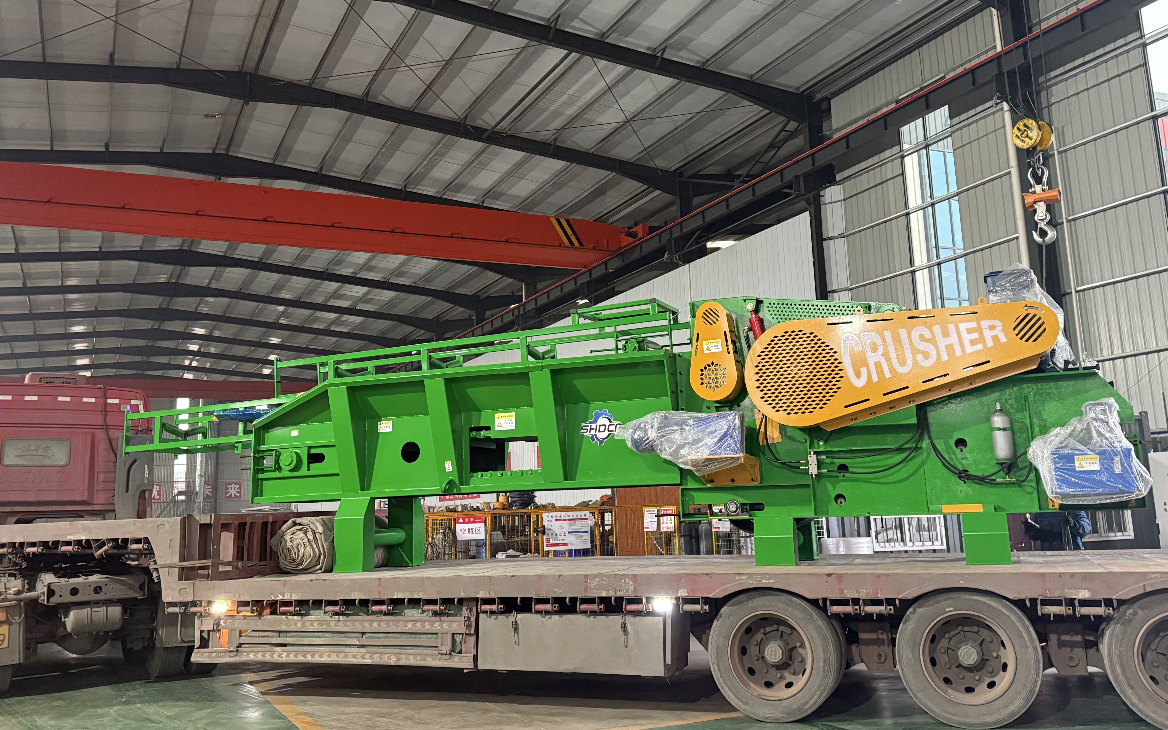
Identify and Eliminate Key Hazards Around the Tree Shredder
Entanglement and pinch-point risks at the feed chute and rotor zone
Tree shredders pose serious entanglement risks. Loose clothes, hair strands, fingers or even whole arms can get sucked into those spinning parts almost instantly. Look at the numbers from OSHA reports: around 37% of all amputations involving woodchippers happen right where the feed chute meets the rotor assembly. These areas create dangerous pinch points that operators need to watch out for constantly. To stay safe, machines should have solid guards that lock in place. These guards block access to moving parts but still let wood chips pass through normally. Emergency stops also need to be placed where workers can grab them fast when something goes wrong. If these protective covers are damaged or missing, accidents become way more likely. Studies show machines with broken guards lead to accidents about 60% more often than ones kept in good condition. That's why checking equipment every day matters so much. And here's something important nobody wants to hear: never disable any safety features, not even when clearing jams. Doing so is what causes most entanglements in the first place.
OSHA 29 CFR 1910.212 compliance: Effective point-of-operation guarding for tree shredders
The OSHA standard 29 CFR 1910.212 requires certain safety measures designed to protect workers from dangerous situations involving cuts, crushes, and shearing forces while still allowing operations to run smoothly. Tree shredder equipment specifically needs features like interlocked doors that stop the rotor whenever someone opens them, plus those special light sensors around feeding areas that can spot hands getting too close. These protections work best when they're part of a complete safety plan where physical barriers come first before things like training programs or protective gear. Studies show that good guarding at these operation points cuts injury rates down by almost nine out of ten cases. Regular checks are essential too. Safety inspectors use a 1.5 inch probe according to ANSI B11.19 standards to make sure guards aren't compromised. Companies that skip these requirements face stiff penalties upwards of fifteen thousand dollars each time they fail, not to mention putting their employees at risk for serious accidents that could have been avoided.
Implement Reliable Pre-Operational and Maintenance Safety Protocols
Standardized pre-use inspection checklist for critical tree shredder components
Regular daily checks form the backbone of safe operations around machinery. When inspecting equipment, pay special attention to parts that take the most beating. Cutting blades should be checked regularly to ensure they stay hard enough (around 20 Rockwell C or better) so they don't cause dangerous kickbacks during operation. Look closely at hydraulic connections too - any dripping beyond normal pressure levels could signal problems. The rotors need to line up pretty straight, ideally no more than half a millimeter off center. Keeping track of these observations digitally helps spot when things start wearing down over time. According to recent industry reports, about a third of accidents in wood processing plants can be traced back to inadequate inspection routines. Some key things to check every day include:
- Functional testing of safety interlocks
- Emergency stop response time (<2 seconds)
- Integrity checks of debris shields
- Belt tension calibration
Safe clog clearance using LOTO and non-contact diagnostics
Clear jams safely using Lockout-Tagout (LOTO) combined with non-contact diagnostics—not manual intervention. Infrared thermography identifies friction hotspots above 150°F (65°C), revealing hidden obstructions and eliminating 89% of unnecessary physical contact. After isolation, use remote controls to conduct low-speed rotor spin tests before restarting.
| Method | Traditional Approach | Enhanced Protocol | Risk Reduction |
|---|---|---|---|
| Debris Removal | Manual rod clearing | Pneumatic blasting at 80 PSI | 92% |
| Energy Isolation | Single lock point | Dual LOTO + hydraulic bleed | 100% |
| Verification | Visual check | Vibration analysis + thermal | 78% |
Facilities adopting this integrated approach reduced amputation rates by 60%, according to OSHA's 2023 enforcement data.
Ensure Operator Competency, Proper PPE, and Environmental Controls
Tree shredder-specific PPE: Hearing protection, cut-resistant gloves, and arc-rated visibility apparel
PPE must match the unique hazard profile of tree shredding. Required gear includes:
- Hearing protection rated for minimum 25 dB Noise Reduction Rating (NRR) to counter sustained 100+ dB noise exposure
- Cut-resistant gloves meeting ANSI Cut Level A4+ for handling sharp, splintered wood fragments
- Arc-rated visibility apparel compliant with NFPA 2112 standards—critical where hydraulic fluid ignition or electrical faults pose flash fire risk
Regular PPE inspections are non-negotiable: wood resins, abrasion, and impact degrade performance rapidly. Use of non-compliant gear increases laceration risk by 37%, per industrial safety benchmarking studies.
Engineering controls for noise, dust, and flying debris in enclosed factory settings
In enclosed facilities, source-based engineering controls are essential to supplement PPE and reduce cumulative exposure:
| Control Type | Implementation | Effectiveness |
|---|---|---|
| Noise reduction | Acoustic shrouds + vibration-dampened mounts | Reduces dB levels by 30% |
| Dust suppression | HEPA-filtered vacuum systems at intake/output | Captures 99.97% of respirable particulate |
| Debris containment | Ballistic curtains installed around operational radius | Prevents 92% of projectile incidents |
These controls address hazards at their origin—especially vital in recirculated airflow environments. Well-designed ventilation reduces airborne contaminants by 80% versus unmanaged spaces.
Enforce Procedural Discipline During Tree Shredder Feeding Operations
Following standard feeding protocols remains the best way to stay safe from getting tangled up or kicked back by machinery. Workers should never use their bare hands to push materials through but instead rely on proper push tools. Stand sideways next to the infeed area rather than facing straight ahead where those dangerous pull-in forces can grab someone unexpectedly. When feeding branches into the machine, always start with the butt end first so there's less chance of sudden torque reactions. Stick strictly to what the manufacturer says about branch sizes and moisture content too because ignoring these specs just invites trouble with jams and breakdowns. Every setup needs someone watching over things as a second set of eyes. That person needs to check regularly that emergency stops are accessible and nobody gets within 50 feet of running equipment. And remember this important point: whenever strange vibrations happen, grinding sounds pop up, or the rotor starts acting weird, shut everything down right away. These signs usually mean something serious is going wrong inside the machine long before anyone notices anything visibly broken.
Frequently Asked Questions
What are common hazards associated with tree shredders?
Common hazards include entanglement risks, pinch points at feed chutes, and rotor zones which can lead to serious injuries like amputations.
How can OSHA compliance reduce accidents with tree shredders?
OSHA compliance, specifically with 29 CFR 1910.212, ensures effective guarding and safety features that significantly reduce the risk of cuts, crushes, and shearing forces.
What is the role of PPE in tree shredder safety?
PPE is crucial in mitigating risks associated with tree shredders. This includes hearing protection, cut-resistant gloves, and arc-rated apparel to protect against various environmental hazards.
Why is procedural discipline important during feeding operations on a tree shredder?
Procedural discipline helps prevent accidents by ensuring workers follow proper protocols, like using push tools and avoiding direct contact with machinery.