 EN
EN
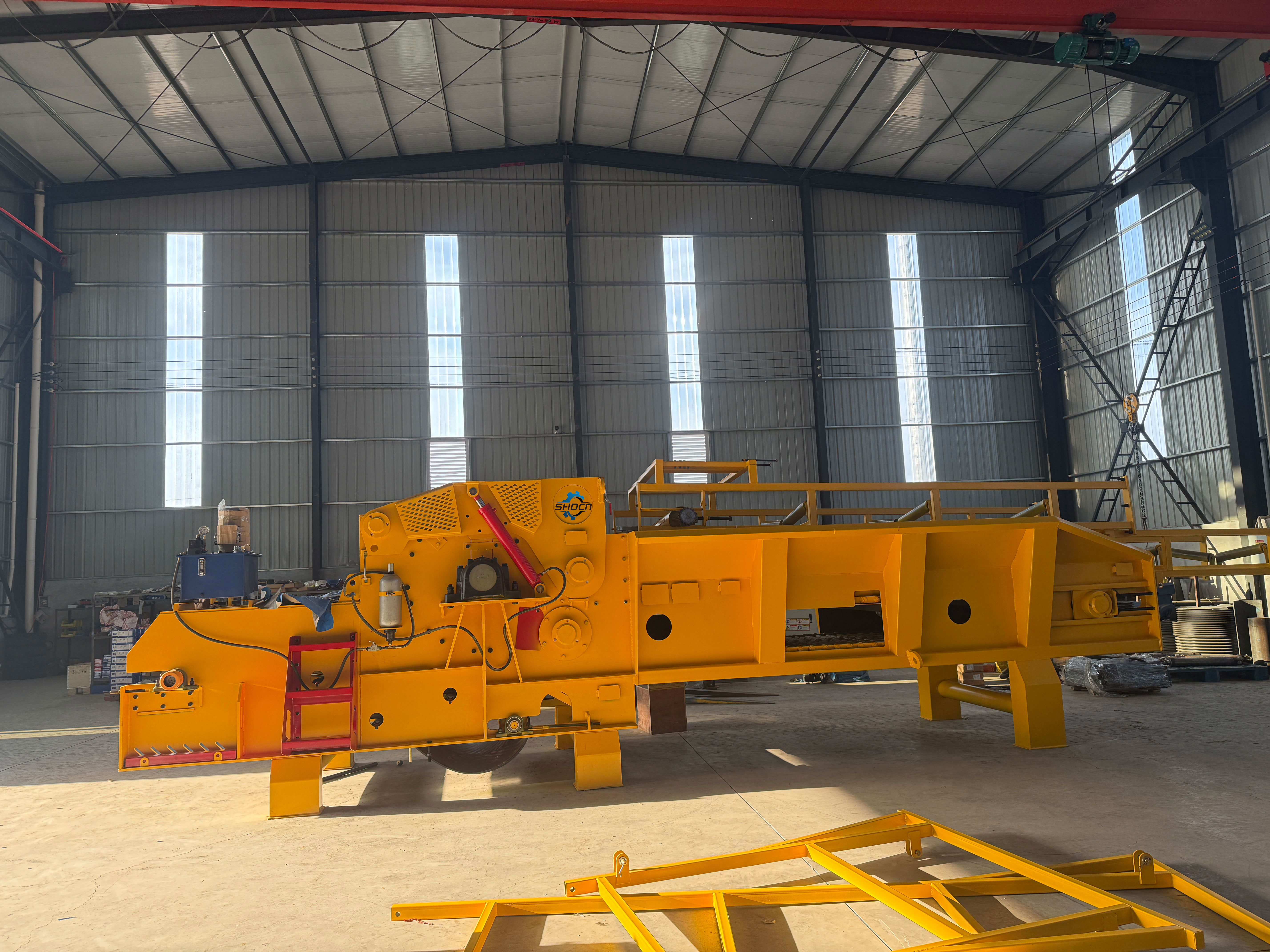
Core Components and Functional Accessories of an Industrial Wood Chipper
Essential accessories: blades, rotors, hammers, and screens
How well an industrial wood chipper works depends largely on four main parts blades, rotors, hammers, and screens. The blades themselves are usually crafted from tough alloys that need to stay sharp if they're going to cut through material cleanly without putting extra stress on the whole machine. Rotors spin while hammers strike down together to break wood down into consistent chips. Good design matters here since these parts take a beating when running at full capacity all day long. Then there are the screens which determine exactly what size those chips end up being. For folks making biomass fuel or preparing mulch products, getting the right screen setup makes all the difference in final product quality. Operators who invest in quality replacement parts that actually fit properly will see better results over time compared to settling for cheaper alternatives that wear out faster.
Discharge chutes and reversible blades: optimizing material flow and efficiency
The addition of discharge chutes and reversible blades makes a big difference in how well industrial wood chippers actually work day to day. Good discharge chutes help guide those wood chips right out of the machine instead of letting them pile up around it. This keeps things running without getting stuck and means less time wasted fixing jams. Then there are those reversible blades which are pretty clever really. When one side gets worn down, operators just flip them over so they can keep cutting efficiently for twice as long before needing replacements. These two features working together mean better flow of materials through the system, higher production rates overall, and much more reliable results especially when dealing with all sorts of different woods that might be harder to process than others.
Screen sizing and output control for different wood types and end uses
The size of screens in industrial wood chippers really matters for what comes out at the end. When screens have small holes, they make fine chips great for things like garden mulch or compost piles. Bigger screens give chunkier material that works better in biomass boilers or landscape projects where bigger pieces are needed. Choosing the right screen depends on what kind of wood is being processed too hardwoods generally need tougher screens than softwoods do. Getting this right makes sure the chips come out consistently and keeps everything running smoothly. Good screen sizing actually saves money in the long run by cutting down on energy costs and reducing how fast other parts of the machine wear out over time.
Matching Chipper Type and Workload Requirements for Optimal Performance
Dedicated industrial wood chipper vs. chipper shredder: choosing by application
The choice between a dedicated industrial wood chipper versus a chipper shredder really comes down to what kind of materials need processing. Dedicated chippers handle big branches and full trees exceptionally well, turning them into consistent chips. These machines are go-to equipment for forestry work and when clearing large areas of land. On the other hand, chipper shredders bring together both chipping and shredding capabilities, which makes them much better for dealing with mixed yard waste that includes everything from tough woody stuff to softer plants and leaves. When looking at serious operations that process more than 65 cubic yards each hour, industrial disc chippers with capacities ranging from 12 to 15 inches become essential for getting through the volume while maintaining good quality chips throughout.
Aligning chipping capacity with branch size and volume demands
Getting the right capacity match is really important if we want to avoid overloading equipment and keep things running smoothly. When picking industrial wood chippers, folks need to look at what size branches they'll be dealing with plus how much material needs to get processed each hour. Small scale operations often go with tractor PTO driven machines that can handle around 60 something cubic yards per hour give or take. Big biomass projects though? Those definitely need serious heavy duty models built for the rough stuff, sometimes pushing through as much as 200 tons an hour or more depending on conditions. A good rule of thumb many operators follow is to grab a chipper that offers about 15 percent extra capacity beyond what they typically encounter. This buffer helps when materials vary in density and keeps those pesky jams from happening during busy periods.
Feed systems: gravity feed vs. hydraulic infeed for durability and throughput
How materials get fed into machines really matters for workplace safety and how much gets done in a day. Gravity feed works great for small operations dealing with thin branches and light loads because it's straightforward and doesn't need much upkeep. When we're talking about heavy duty stuff though, like cutting through thick hardwoods in industrial settings, nothing beats hydraulic infeed systems. These bad boys give operators much better control over the process, maintain steady pressure throughout, and will actually reverse themselves if something gets stuck. Most shops report around a third to almost half improvement in production speed with hydraulics compared to older methods. Plus they require way less hands on time from workers, which is why serious manufacturing facilities stick with them for their day to day operations.
Power Source and Equipment Integration for Industrial Wood Chippers
Horsepower (HP) and fuel type: matching engine specs to operational needs
Choosing the right power source makes all the difference when it comes to how well an industrial wood chipper performs. For most homes and businesses dealing with smaller branches, gasoline engines are the go-to option until around 35-37 horsepower range. Beyond that point, diesel engines start making more sense because they can handle tougher jobs with better torque and last longer under stress. Then there are electric models rated at about 30 horsepower or more which work great inside buildings where people care about keeping air clean and noise levels down. Getting the horsepower right matters a lot too since mismatched power will either strain the engine or slow down processing speeds when tackling different sized branches.
PTO compatibility and torque requirements for seamless power transfer
Industrial wood chippers that run on Power Take-Off (PTO) systems basically tap into the power of tractors via those standard shaft connections we see on farm equipment. Getting the torque right matters a lot here. Most folks working on properties need around 18 to 30 foot pounds of torque to keep things running smoothly without wasting energy or breaking parts. The good news is PTO setups don't need their own fuel source since they borrow power directly from the tractor. This means these machines can handle serious chipping tasks just like commercial models, which makes sense why farmers and people managing big properties stick with them when they have tractors already sitting around.
Hydraulic integration: infeed systems and skid steer attachments
Industrial wood chippers get a real boost from hydraulic systems when it comes to controlling how materials feed into them plus making operations safer overall. Self feeding models just depend on the blades spinning fast enough, but hydraulics actually control how branches go in at the right speed. This stops those annoying jams we all hate and makes sure chips come out consistent every time. What's really nice is these hydraulic setups work great with skid steers too. Operators can handle massive amounts of wood without having to manually stuff branches into the machine constantly. According to some industry reports from last year, companies using this kind of system see about a 40% jump in what they can process each day while workers don't need to keep adjusting things so much throughout their shifts.
Connecting industrial wood chipper to tractors, trucks, and ATVs
Industrial wood chippers these days come with all sorts of mounting options so they work well with different kinds of machinery. Most have three point hitches that hook right onto tractors, but there are also trailer mounted versions that can be attached quickly to trucks or even ATVs when mobility is needed on site. The standard PTO shafts plus those handy hydraulic quick connects make it possible to switch between different power sources without hassle. A good quality wood chipper can actually handle several different vehicles in a company's equipment lineup this way. For businesses looking to save money, this kind of flexibility means buying fewer specialized machines over time since one unit works with so many different setups.
Mobility Solutions: Towing Options Based on Terrain and Usage Frequency
Hand-towed vs. vehicle-towed industrial wood chipper setups
For small operations working on level ground, hand-towed wood chippers really shine when it comes to getting around tight spaces. Most of these smaller machines come with air-filled tires and light frames that let one person move them from spot to spot without too much hassle. But things change when jobs require moving equipment frequently between sites. That's where vehicle-towed models step in with their rock solid stability during transport. These bigger setups connect through regular trailer hitches, so they can hook up securely to pickup trucks, farm tractors, or those big utility vehicles we see everywhere now. Some field tests actually show that these towed systems stay ready to work about 40 percent longer across multiple job locations each week compared to their handheld counterparts. This means less time wasted setting everything up again and again, plus noticeable savings on labor expenses over time.
Selecting the right towing kit for frequent use and challenging terrain
Choosing the right towing setup really comes down to how often someone plans to use it and what kind of ground they'll be dealing with. When hauling regularly across rough or unpaved surfaces, going for a multi axle trailer equipped with heavy duty suspension makes all the difference. These setups keep weight distributed properly and stop cargo from shifting around mid journey. Getting tires that match expected terrain conditions isn't just good practice it actually boosts pulling power and keeps vehicles from getting stuck in muddy spots. For those who tow frequently day in day out, investing in integrated brakes and parts that stand up to bad weather becomes necessary. But folks who only need to move things occasionally might find standard leaf spring suspensions and simple manual safety chains sufficient for their needs. One rule worth remembering though is always check that whatever truck or van does the towing has enough capacity left in reserve after accounting for everything loaded onto the trailer. Experts generally recommend leaving about 15 percent extra room just to stay safe when speeds change suddenly or stops become necessary.
Maintenance and Long-Term Reliability of Industrial Wood Chipper Accessories
Routine care for blades, rotors, and hydraulic systems
Keeping industrial wood chipper accessories in good shape makes all the difference when it comes to how well they work and how long they'll last. The basics involve cleaning those blades and rotors right after every job so wood chips don't build up and cause extra wear over time. Blades need sharpening regularly too since dull ones just make the whole machine work harder than necessary. When looking at hydraulic parts, checking those hoses and connections becomes pretty important too. Small leaks can turn into big problems if ignored, and running low on fluid definitely hurts performance. Most folks who run these machines know from experience that a chipper getting regular TLC tends to stick around for about 15 years give or take. Skip maintenance though? Expect trouble way sooner maybe even before five years are out.
Spare parts availability and cost-effectiveness over time
Quality spare parts are worth the investment when it comes to keeping an industrial wood chipper running reliably over time while saving money in the long run. Look for components constructed from strong alloys that stand up to wear and tear, things like hardened steel blades and those precision bearings that last longer. Before buying any new equipment, check how easy it is to get replacement parts because waiting weeks for something critical means lost production time and frustrated crews. Most experienced operators will tell anyone who listens that building good relationships with suppliers who actually have genuine parts on hand makes all the difference during breakdowns. A smart parts strategy pays off eventually by cutting down on unexpected expenses and getting more years out of the machines.
FAQs about Industrial Wood Chippers
What are the main components of an industrial wood chipper?
The key parts include blades, rotors, hammers, and screens. Each plays a crucial role in cutting, breaking down, and sizing wood chips.
How do discharge chutes and reversible blades improve wood chipping?
Discharge chutes guide chips out efficiently, while reversible blades extend blade life by allowing both sides to be used.
What is the difference between a dedicated wood chipper and a chipper shredder?
Dedicated chippers excel in processing large branches and full trees, while chipper shredders handle mixed yard waste including softer materials.
How do hydraulic infeed systems benefit wood chipping operations?
Hydraulics offer better control, reduce jams, and increase production efficiency compared to gravity feed systems.
What factors should be considered when choosing towing options for wood chippers?
Consider terrain, frequency of transport, and towing capacity when selecting between hand-towed and vehicle-towed setups.
Table of Contents
- Core Components and Functional Accessories of an Industrial Wood Chipper
- Matching Chipper Type and Workload Requirements for Optimal Performance
- Power Source and Equipment Integration for Industrial Wood Chippers
- Mobility Solutions: Towing Options Based on Terrain and Usage Frequency
- Maintenance and Long-Term Reliability of Industrial Wood Chipper Accessories
-
FAQs about Industrial Wood Chippers
- What are the main components of an industrial wood chipper?
- How do discharge chutes and reversible blades improve wood chipping?
- What is the difference between a dedicated wood chipper and a chipper shredder?
- How do hydraulic infeed systems benefit wood chipping operations?
- What factors should be considered when choosing towing options for wood chippers?