
 EN
EN
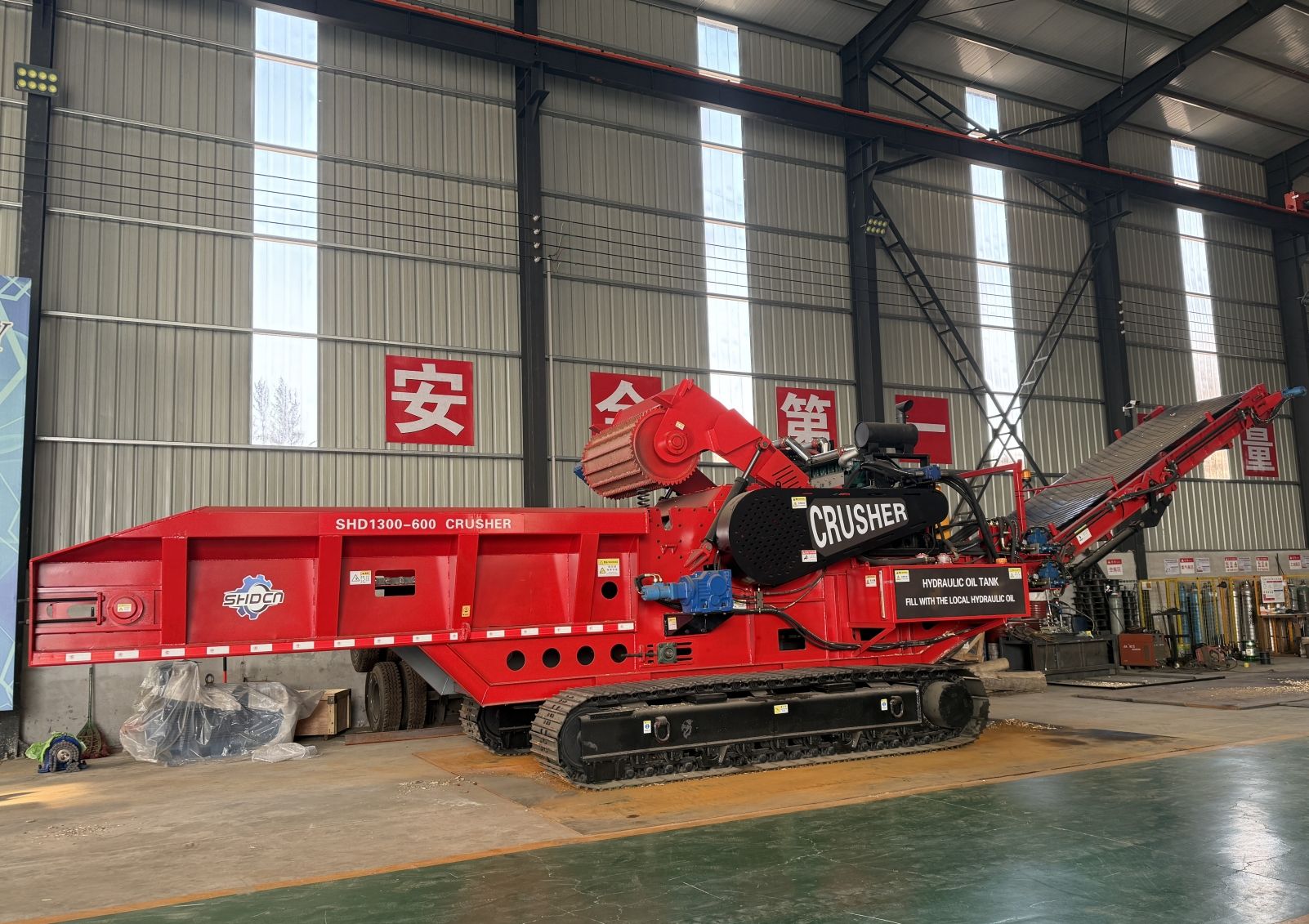
Assess Your Material Volume and Type to Select the Right Wood Shredder Capacity
Selecting the appropriate shredder starts with analyzing your waste volume and material characteristics—this directly impacts efficiency, output quality, and machine longevity.
Branch Diameter Limits and Green vs. Dry Wood Handling
Knowing what size branches a shredder can actually handle matters a lot. When people try to force too big branches through, it puts extra strain on the motor, wears down parts faster, and makes breakdowns much more likely. Most home models work well with branches around 2 inches or smaller. Commercial grade machines go beyond that, handling up to 3 inches or more for tough jobs such as clearing forest debris or managing green waste at city parks. Freshly cut green wood needs about 20 to 30 percent more power because of all those fibers packed together tightly. This not only slows things down but also leads to jamming problems. On the flip side, dry wood breaks apart easier but creates a lot of fine dust particles. That's why good quality filtration becomes essential when dealing with dried materials. The best approach? Pick a shredder based on the biggest branches someone deals with regularly, not just the rare exceptions. This helps maintain steady operation over time and keeps repair costs from climbing too high.
Leafy, Mixed Debris, and Throughput Requirements by Use Case
Soft stuff like pine needles and garden leaves tends to shred fast but can really jam things up when it gets stuck in tight feed areas. That's why many people swear by shredders that have bigger openings and better designed intake systems to handle all that fluff without constant clearing. When dealing with mixed materials though, branches still attached to leaves, vines, those garden trimmings everyone hates, the machine needs to be pretty versatile. Look out for units that let operators adjust feeding speeds or come equipped with two stage cutting mechanisms so they can keep going even when faced with different material densities. The amount processed matters too, measured usually in tons each hour. Most backyard folks probably don't need anything over half a ton per hour. But landscape companies working on several sites at once will want something between 2 and 5 tons hourly capacity. Municipalities and farms? They're looking at machines capable of handling 5 tons or more every hour just to keep up with all that green waste coming in day after day.
Choose the Optimal Power Source for Your Wood Shredder: Electric, Gas, or PTO
Selecting the right power source directly affects mobility, noise, emissions, operating costs, and duty capacity.
Electric Wood Shredder: Best for Residential Use with Branches Under 2 Inches
Electric trimmers work great in suburban areas and on properties under an acre where noise restrictions might be a concern. These machines run quietly below 85 decibels, produce no emissions, and really don't need much upkeep beyond keeping blades sharp and occasionally cleaning out the hopper. Most can handle branches as thick as two inches without breaking a sweat, which makes them perfect for regular yard tidying tasks around the house. Weighing anywhere from 50 to 80 pounds, they're light enough to store easily in a garage or shed. But there's always that little catch with electric models too heavy duty ones tend to require outlets nearby or long extension cords to reach those far corners of the property.
Gas and PTO Wood Shredders: Matching Mobility, Duty Cycle, and Output Demands
Gas powered shredders offer freedom from needing electricity and can tackle branches as thick as 4 inches. These machines typically have engines between 5 and 20 horsepower. Contractors love them because they can haul these bad boys from one job site to another while dealing with all sorts of different debris throughout the day. Then there are those PTO models that hook right onto tractors already running between 15 and 80 horsepower. These industrial strength machines can chew through logs as big around as 8 inches and last forever even after constant use in places like orchards or on large farms. Tractor owners should know that going with a PTO shredder saves money in the long run, cutting costs by about 40% compared to buying separate gas powered units. The downside? Gas models burn roughly half a gallon of fuel every hour they're working hard, which adds up over time and affects both wallet and environment. So if someone needs to process lots of biomass at a single location, PTO makes sense. But when moving quickly between locations matters most, nothing beats good old gas power.
Evaluate Design and Durability: Key Differences Between Residential and Commercial Wood Shredders
Gravity vs. Hydraulic Feed Systems—Efficiency, Safety, and Operator Fatigue
Most home shredders work with gravity fed hoppers, letting stuff drop down into the cutting area naturally. The basic cheap setup needs people to feed materials manually though. After a while this gets tiring for operators and creates safety issues like kickbacks or getting caught in moving parts. On the other hand, commercial models come equipped with hydraulic feeding systems that actually pull material into the machine at steady rates. These automated systems can boost processing speed by around 40 percent when running non stop, keep hands away from dangerous areas completely, and cut down on how many workers are needed. Municipal waste centers, tree trimming teams, and big composting operations really need these kinds of machines because they handle so much material day after day.
Drum vs. Disc Cutting Systems: Consistency, Maintenance, and Output Quality
Disc systems work by spinning blades horizontally across wood against the feed direction, creating those neat, consistent chips that look great in garden beds. But there's a catch - these blades need regular sharpening about every 25 to 50 hours of operation just to keep making those pretty mulch pieces. Drum shredders take a different approach altogether. They have those big toothed rollers that spin in opposite directions, which makes them really good at handling tough stuff like knot filled branches, frozen logs, or all sorts of mixed debris without getting stuck. The downside? What comes out isn't as pretty or uniform as disc system chips. Instead it tends to be chunkier material that works well for things like biomass fuel or compost piles. When it comes time for maintenance, drum systems mainly need attention paid to their roller bearings and keeping everything aligned properly. Most homeowners go for disc systems because they want that nice looking mulch around their plants. Businesses typically stick with drum systems though since they last longer, handle more types of material, and don't need as much constant maintenance over time.
Prioritize Safety, Maintenance, and Total Cost of Ownership in Your Wood Shredder Decision
Safety isn't just important, it's absolutely essential. When kickback happens, those flying pieces of material can really pack a punch sometimes reaching speeds fast enough to cause serious injury. And let's not forget about getting tangled up in machinery either. That's why wearing proper protective equipment matters so much gloves on hands, goggles for eyes, ear protection when needed, and definitely steel toe boots. Nobody wants to lose fingers or toes because they skipped putting them on. Before starting any work, take time to check for metal bits, rocks, or anything else stuck in there from previous jobs. These can damage cutting components and pose serious dangers. A little extra prep time saves a lot of pain down the road.
Maintenance isn't just routine—it's predictive. Regular blade inspections, scheduled lubrication, belt tension checks, and bearing maintenance prevent cascading failures. Industry data shows unplanned downtime costs operations an average of $740,000 annually (Ponemon Institute, 2023)—a figure heavily influenced by deferred maintenance.
Total cost of ownership (TCO) extends far beyond sticker price. Factor in:
- Energy or fuel consumption per operational hour
- Blade or component replacement intervals and cost
- Labor time for cleaning, servicing, and troubleshooting
- Revenue loss or project delays during repairs
Premium features—like hardened-steel blades, thermal-overload motor protection, or corrosion-resistant housings—may increase upfront investment but demonstrably lower TCO through longer service life, fewer breakdowns, and higher sustained throughput. Keep detailed maintenance logs to identify wear trends early—turning reactive fixes into proactive optimization.
FAQ Section
What qualifications are important for selecting a wood shredder?
Consider branch diameter, material characteristics, desired throughput, and power source when selecting a shredder.
Which power source is more effective for larger properties?
Gas and PTO shredders offer more freedom and power to tackle larger branches and properties.
How do drum and disc cutting systems differ?
Disc systems produce more consistent chips but require more frequent maintenance. Drum systems handle tougher materials well but produce chunkier output.
Table of Contents
- Assess Your Material Volume and Type to Select the Right Wood Shredder Capacity
- Choose the Optimal Power Source for Your Wood Shredder: Electric, Gas, or PTO
- Evaluate Design and Durability: Key Differences Between Residential and Commercial Wood Shredders
- Prioritize Safety, Maintenance, and Total Cost of Ownership in Your Wood Shredder Decision
- FAQ Section