
 EN
EN
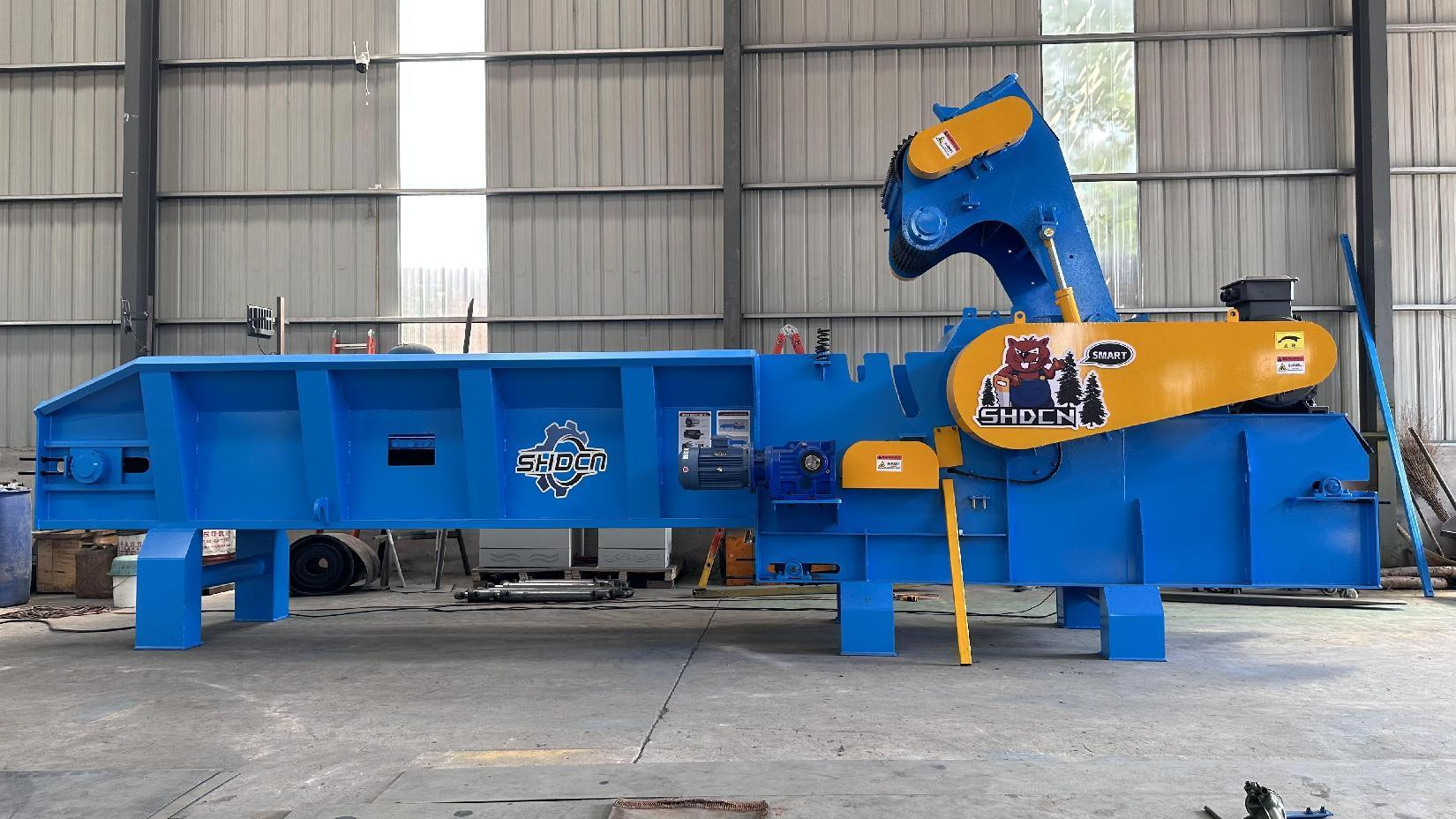
Understanding Wood Crusher Types and Core Mechanisms
Selecting the right industrial wood crusher requires understanding the core mechanisms and types available. Each design offers distinct advantages depending on your operational needs and material characteristics.
Drum Chippers vs Disc Chippers: Performance in Industrial Applications
Drum chippers work by spinning a big drum loaded with cutting blades that turn wood into consistently sized chips. These machines are great for operations needing lots of material processed quickly, such as making biomass fuel where getting the right chip size matters a lot for efficiency. On the other side of things, disc chippers have a rotating disc with knives attached that cut wood against another blade called a bed knife. The result is chips that are cut very precisely, which is why paper mills and companies making oriented strand board tend to favor this type. Drum chippers handle bigger logs and rougher materials better than most alternatives, but they do require more power. Disc systems might not be able to tackle huge logs or dirty feedstock as easily, yet they create much more uniform chips and actually use less energy per ton when working with clean wood stock.
PTO-Powered vs Engine-Driven Wood Crushers: Suitability for Commercial Operations
Wood crushers connected to tractors via power take-off (PTO) systems give operations on the move a real money saving advantage when they need to shift between different job sites regularly. By using what's already in the field, these machines cut down on extra engine work that would otherwise be needed. For places where tractors aren't available or for permanent setups, there are also engine driven versions running on diesel, gas, or electricity that can work independently. According to industry reports, going with PTO models typically brings down upfront costs somewhere around 30 percent compared to other options. The catch though is having a compatible tractor handy at all times. On the flip side, dedicated engine systems keep performing reliably no matter what kind of power source is nearby.
Petrol vs Diesel Engines: Power Efficiency and Durability in Heavy-Duty Use
Diesel engines generally give around 25 to maybe even 30 percent better fuel economy compared to their petrol counterparts, plus they deliver much stronger torque. That's why many operators go for diesel when running heavy machinery nonstop for more than six hours each day. Petrol engines definitely cost less at purchase time and run quieter too, but they burn through fuel faster and need servicing more often. Looking at what various field tests have shown, diesel powered crushers tend to stick around about 40% longer before needing replacement in real world commercial applications. Of course, regular maintenance matters just as much for both engine types if anyone wants them to perform well and last long enough to justify the initial investment.
Matching Capacity and Throughput to Operational Demands
Maximum branch diameter and feed capacity for high-volume processing
When it comes to industrial wood crushers, matching what goes in with how much work needs to be done matters a lot. The biggest branches these machines can take depend on their build. Standard ones usually handle branches up to around 4 inches thick, while the heavy duty versions can tackle stuff over 12 inches across. That means they can process different sizes of raw materials depending on what's needed. If someone runs a big operation though, feed capacity becomes just as critical. Most industrial strength crushers manage between 5 and 20 tons every hour. Machines with bigger openings at the front and those equipped with hydraulic feeding tend to keep things moving smoothly even when dealing with all sorts of mixed timber. This helps prevent those annoying jams and stops that waste time and money.
Throughput requirements in large-scale wood crushing operations
The amount of material processed through a system has a major effect on how efficiently production runs in manufacturing settings. Most big operations need somewhere between 10 and 30 tons each hour just to stay profitable, which means they need strong electrical systems and some kind of automatic feeding mechanism. Things get complicated when dealing with stuff like demolition waste or clearing land debris because the weight varies so much. Green wood actually weighs about 30 to 50 percent more than dried timber, so this makes a real difference in what the equipment can handle. For facilities trying to keep up with large volumes, machines equipped with bigger conveyor belts at the discharge point plus built-in sorting mechanisms make all the difference. These features stop the whole line from getting backed up and keep everything moving smoothly through the process.
Optimizing Material Handling for Green, Dry, and Mixed Biomass
Processing green vs dry wood: Adjusting settings for efficiency
Getting good results from wood crushing really depends on how wet or dry the material is when it goes into the machine. When dealing with green wood that has around 40 to 60 percent moisture content, operators need to slow things down quite a bit. The feed rate should be reduced and the blades must stay sharp otherwise everything gets jammed up and the chips won't come out right. On the flip side, dry wood below 20% moisture runs through much quicker but creates a lot more dust than expected. This means extra attention needs to go into controlling airborne particles and making sure screens are sized correctly so the final product maintains consistent quality. Most experienced operators know that tweaking these settings properly makes a huge difference. Some report seeing throughput improvements of nearly 30% just by getting the balance right between speed and component protection.
Handling leafy and woody biomass with industrial-grade wood crushers
When dealing with mixed biomass that includes both wood pieces and leaves, the feed system needs to handle different materials without getting stuck. The cutting mechanism must adjust itself to work through tough branches as well as soft greenery effectively. Machines need strong motors and sturdy cutting areas to keep producing good quality results even when fed all sorts of plant material. This matters a lot in real world settings where operators deal with whatever comes their way from forests or land clearing projects.
Power Requirements and System Integration for Continuous Operation
Horsepower and power source compatibility (PTO, diesel, electric)
The choice of power source makes all the difference when it comes to how well something runs and what it costs to keep running. PTO units work great with tractors since they plug right in, though most folks find themselves constrained by tractor horsepower limits usually between 30 and 100 HP. For serious work where things get tough, diesel powered crushers stand out because they pack serious torque and just keep going. Industrial grade ones can handle anywhere from 100 to 500 HP worth of grunt. Electric models deliver steady power without the noise pollution, which is nice for certain applications, but these need proper three phase electricity connections to function properly. Industry standards tell us that if we want machines running non stop, our power systems should be able to handle around 85 to 100 percent load continuously. That means having backup cooling systems and reliable fuel delivery setups so operations don't come grinding to a halt unexpectedly.
Aligning engine output with production scale and site infrastructure
Getting the right engine power for what needs doing means looking at how much stuff gets processed and what the worksite can handle. For setups handling around 10 to 50 tons every hour, most folks go with diesel engines somewhere between 300 and 500 horsepower. These sizes pack good punch while still keeping fuel consumption reasonable. Plants that already have decent electrical infrastructure might want to consider electric motors instead. They give better control over speeds and put out fewer emissions, but come with their own headaches about transformers and wiring upgrades that cost real money upfront. Out in the boonies where there's no reliable electricity connection, diesel remains king because it doesn't depend on grids. Just need to make sure there's proper storage for fuel and someone available for regular maintenance checks. To pick the winning option, figure out exactly how much power is needed by measuring things like the largest branches being handled, the weight of materials moving through, and how fast everything needs to go. Then match that against what makes sense now versus what will save cash down the road when considering all those ongoing expenses.
Ensuring Durability, Safety, and Low Downtime in Industrial Use
Infeed systems: Hydraulic vs gravity feed for consistent performance
When deciding between hydraulic and gravity feed systems, operational consistency becomes a key factor. Hydraulic infeed gives operators much better control over the process. This makes it possible to handle larger pieces or oddly shaped materials without issues. For facilities dealing with big volumes or changing feed conditions, this is really important. Gravity-fed systems work differently since they depend on how materials naturally flow down through the system. But there's a catch here too. These systems can struggle with inconsistent feeding rates and often get jammed when working with mixed biomass materials. That's why many plants stick with gravity feeds only when they have very uniform feedstocks and don't need constant monitoring. On the flip side, hydraulic models tend to perform much better under tough operating conditions where reliability matters most.
Construction quality and wear-resistant components for longevity
How long industrial wood crushers last really comes down to how they're built and what kind of materials go into them. The better quality machines typically come with blades made from hardened steel, frames that are extra strong, and special liners designed to withstand constant wear. These parts hold up against rough stuff like branches with bark still on them or debris mixed in with the wood, which means fewer breakdowns when things get busy at the plant. Companies that spend money upfront on solid machinery often save cash over time because there's less need for repairs and parts don't have to be replaced as often as they would in cheaper alternatives.
Maintenance features and safety protocols in powerful wood crusher models
Today's industrial wood crushers come packed with all sorts of maintenance and safety upgrades that keep them running nonstop while keeping workers safe. Most models now have automatic oiling systems so operators don't have to manually grease everything every day. Service points are placed where technicians can reach them quickly when something needs attention, and many machines have diagnostic displays that actually tell what's wrong instead of just shutting down completely. Safety is taken seriously too. Every crusher should have those big red emergency stop buttons everyone knows about, proper lockout-tagout procedures for maintenance work, and solid guards covering all the spinning parts nobody wants to get near. All these features combined mean fewer accidents on the job site and less time wasted waiting for repairs during busy periods at sawmills or recycling centers.
FAQ Section
What is the purpose of drum chippers and disc chippers in wood processing?
Drum chippers are designed for quick processing of large volumes of material, creating consistent-sized chips ideal for biomass fuel. Disc chippers, on the other hand, produce precisely cut chips suitable for industries like paper mills, prioritizing uniformity over volume.
How do PTO-powered wood crushers differ from engine-driven models?
PTO-powered wood crushers connect to tractors, offering mobility and cost benefits for shifting job sites. Engine-driven models operate independently, using diesel, gas, or electricity, making them suitable for permanent installations without tractor availability.
What are the advantages of diesel engines over petrol engines for wood crushers?
Diesel engines provide superior fuel efficiency and torque, making them suitable for heavy-duty, continuous operations. Although petrol engines are cheaper and quieter, they require more frequent servicing and have higher fuel consumption.
Why is matching crusher capacity and throughput important for industrial operations?
Matching crusher capacity and throughput ensures efficient processing of large volumes of material, preventing jams and downtime, and achieving profitable production rates in big operations.
How does wood moisture content affect crushing efficiency?
Green wood with high moisture content requires slower feed rates to prevent jams, while dry wood processes faster but generates more dust, necessitating proper handling for consistent quality.
What power sources are suitable for wood crushers in different environments?
Tractor PTO systems suit movable operations, diesel engines provide high torque for tough tasks, and electric models benefit sites with established electrical infrastructure.
Table of Contents
- Understanding Wood Crusher Types and Core Mechanisms
- Matching Capacity and Throughput to Operational Demands
- Optimizing Material Handling for Green, Dry, and Mixed Biomass
- Power Requirements and System Integration for Continuous Operation
-
Ensuring Durability, Safety, and Low Downtime in Industrial Use
- Infeed systems: Hydraulic vs gravity feed for consistent performance
- Construction quality and wear-resistant components for longevity
- Maintenance features and safety protocols in powerful wood crusher models
- FAQ Section
- What is the purpose of drum chippers and disc chippers in wood processing?
- How do PTO-powered wood crushers differ from engine-driven models?
- What are the advantages of diesel engines over petrol engines for wood crushers?
- Why is matching crusher capacity and throughput important for industrial operations?
- How does wood moisture content affect crushing efficiency?
- What power sources are suitable for wood crushers in different environments?