
 EN
EN
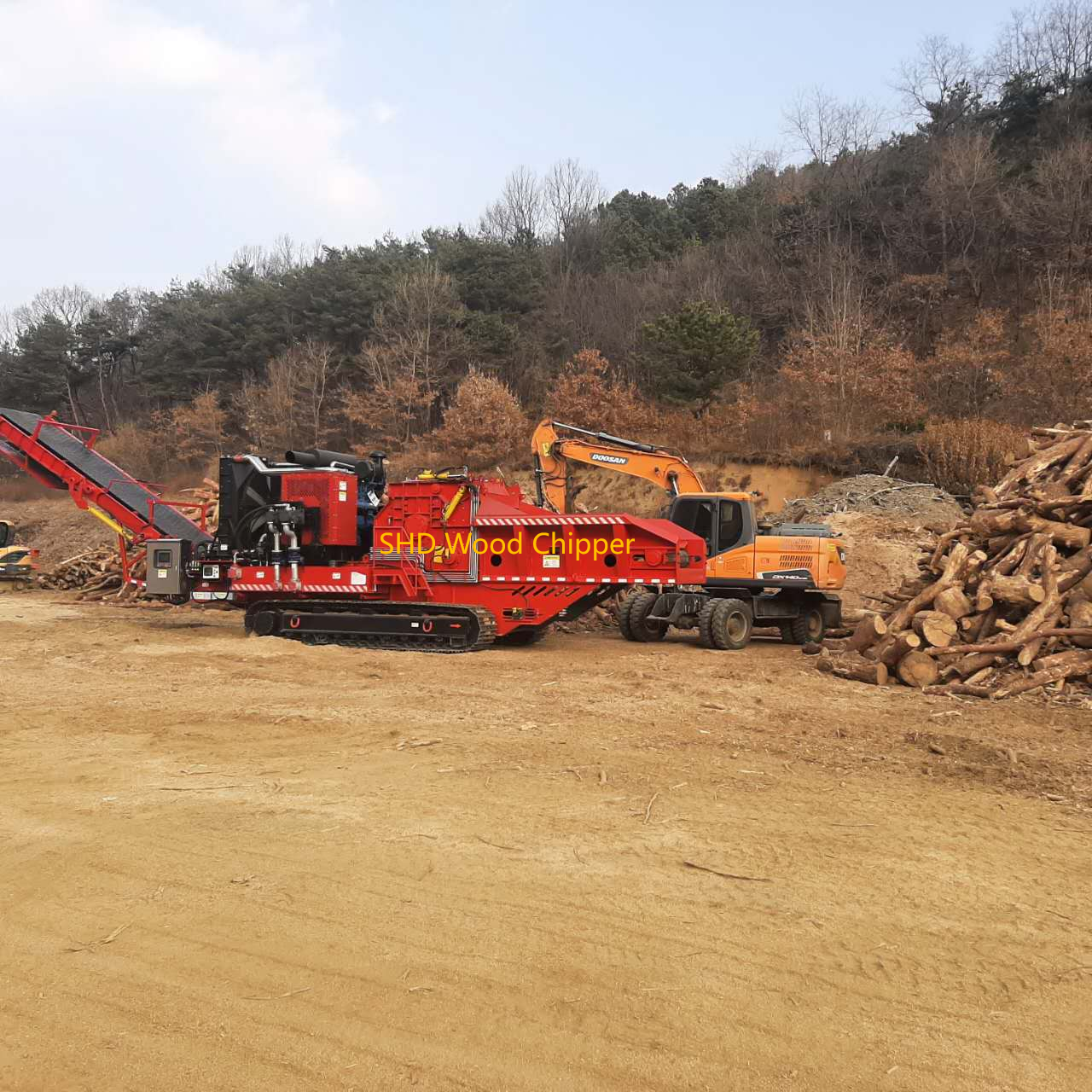
Commercial Waste Processing and Urban Landscaping
How Wood Shredder Chippers Support Efficient Municipal Waste Management
Municipalities rely heavily on wood shredder chippers for their waste management needs. These machines help cities handle all sorts of green waste and can slash what goes into landfills by around three quarters or more. They take care of branches, garden clippings, and other yard trash turning them into consistent wood chips good for making compost, mulch, or even biomass fuel. When towns process this stuff right where it's collected instead of hauling it away, they save big money on transport and disposal fees. Some places have reported saving over fifty grand each year just from this setup. The newer models come equipped with automated features so smaller teams can still handle massive amounts of material fast. This makes maintaining urban green spaces much more sustainable without needing to hire extra staff or spend more on labor.
Case Study: Municipal Landscaping Teams Boosting Efficiency with On-Site Chipping
The landscaping department in Portland saw big improvements when they brought in those mobile wood shredder chippers. Before this change, workers had to spend hours upon hours loading up trucks full of green waste and driving it all over town to different facilities for processing. Now that everything gets chopped right there at the job site, the city has cut down transportation costs by almost two thirds and saved about 40 percent on processing time too. What's really cool is what happens next those wood chips just get spread back out across parks and trails as mulch, so nothing goes to waste. This whole setup saves money on disposal fees while making sure organic material stays where it belongs in our local environment rather than ending up somewhere else entirely.
Trend: Automation and Multi-Functional Units in Commercial Operations
More commercial landscaping businesses are starting to switch to automated wood shredders that can do multiple jobs at once. The newer models come equipped with things like hydraulic feeding mechanisms, settings for different output sizes, and built-in screening systems so workers can create chips of various qualities depending on what job they need them for. Some companies have even started using remote monitoring systems which let managers keep an eye on how their equipment is performing and fix problems before they become major issues, cutting down on those frustrating days when machines just stop working. For big operations where getting consistent results matters a lot and having equipment breakdowns isn't an option, all these fancy features translate into better bottom lines and happier customers who get exactly what they asked for without delays.
Strategy: Scaling Urban Green Waste Processing with Mobile Wood Shredder Chippers
Cities are starting to use mobile wood shredders and chippers to handle green waste at various spots around town instead of building permanent facilities. These machines get moved around during different seasons to places like parks, maintenance areas, and temporary drop-off points. This approach cuts down on both transportation pollution and what people pay for waste removal. Works best in urban areas with lots of trees overhead, especially oak and maple varieties that need frequent trimming. All those branches and trunks become something useful when turned into mulch for gardens or burned as fuel. Landfills don't get overloaded quite so fast either, which is good news for everyone involved.
Land Clearing and Post-Disaster Debris Recycling
Efficient Land Rehabilitation After Storms and Construction Using Wood Shredder Chippers
When hurricanes hit or big construction jobs wrap up, towns often struggle with all that fallen tree stuff blocking roads and making cleanup impossible. That's where wood shredder chippers come in handy. These machines basically take those huge branches and broken trees and turn them into small chips right there at the site. No need to haul everything away for disposal. Local crews can clear land faster this way while saving money on waste removal fees. Plus, what gets shredded isn't just trash anymore. The resulting wood chips become useful things for gardens as mulch or even help stop soil erosion around construction sites. Some places have started selling these chips too, turning disaster waste into something people actually want to buy.
Principle: Volume Reduction of Woody Debris for Faster Site Clearance
What makes wood shredder chippers so useful for land clearing? Mainly because they cut down on volume by around 80%, which means much less stuff to store and move around. Those big branches and thick logs get turned into small wood chips that are actually easy to handle. Projects finish quicker and money stays in the budget instead of going out the door. Landowners really appreciate this when dealing with sudden situations like storm damage or working in areas far from main roads where getting equipment and materials isn't straightforward.
Case Study: Suburban Development Projects Recycling Wood Waste On-Site
In a recent suburban expansion near Phoenix, developers showed how on-site wood recycling works wonders when paired with mobile shredder chippers. Each day, crews processed around 15 tons worth of trees and brush removed during construction, turning all that green waste into mulch spread across gardens and slopes to prevent soil erosion. No need to pay extra for trucking debris away to landfills, plus they got valuable material back in return. What started as just another cost-saving measure turned out to be good for the bottom line and planet alike, something many contractors are now starting to realize as they incorporate chipping equipment right into their standard land development operations.
Trend: Mobile Shredder Chipper Units for Remote and Emergency Land Clearing
More and more folks are turning to mobile wood shredders and chippers when they need quick action in hard-to-reach places or areas hit by disasters. These machines come all set up in one package and can be moved around easily, so they process debris right on site without waiting for fixed facilities to get going. The fact that they move from place to place really helps speed things up after big storms or wildfires. Communities can get roads cleared much faster and start fixing things up sooner than usual. Plus, there's less damage done to the environment because people aren't burning trash or shipping it long distances for disposal anymore.
Biomass Energy Production and Renewable Fuel Supply
Growing Role of Wood Shredder Chippers in Bioenergy Feedstock Preparation
Shredder chippers play a really important role when it comes to getting biomass ready for renewable energy projects. These machines take all sorts of stuff like leftover forest material, old city trees, and farm scraps and turn them into evenly sized chips that work well for burning processes. Big industrial models produce chips that burn better because they're all about the same size and quality. Better chip consistency means cleaner burns and more energy coming out of biomass power plants. What used to be considered waste or not worth much can now actually become valuable fuel for generating clean electricity through these preprocessing steps.
Converting Forest and Urban Residues into Biomass Fuel
The wood waste generated from city tree trimming jobs, construction sites, and forest management operations gets a second life when processed through wood shredder chippers into quality biomass fuel. Rather than ending up in landfills where it just sits around taking space, these materials now serve as an actual replacement for traditional fossil fuels. When we chip down the volume first, shipping becomes cheaper overall. That makes collecting wood from remote areas or scattered locations actually work financially. From an industry standpoint, this method really aligns with circular economy thinking because what would otherwise be considered waste turns into something valuable that powers things reliably without relying on finite resources.
Case Study: European Biomass Plants Sourcing Chips from Recycled Urban Wood
Across Germany, biomass plants are increasingly turning to city wood recycling initiatives that rely on mobile shredder chippers for their raw materials. At one particular plant near Frankfurt, operators handle over 50 thousand tons per year of discarded urban timber, transforming it into chips used in local district heating networks. The shift to local sourcing has cut down on transport-related emissions by around 40 percent when compared to what would happen if they had to bring in wood pellets from elsewhere. Better quality chips produced by industrial strength chippers mean boilers run smoother and require less frequent maintenance, something many operators in the field have noticed firsthand. These findings suggest that waste wood from cities actually works pretty well as fuel for large scale bioenergy operations without compromising efficiency.
Strategy: Optimizing Chip Size and Moisture Content for Maximum Energy Yield
Getting the most energy out of biomass starts with getting the chips just right. Studies show that chips measuring around 20 to 50 millimeters long work best when they contain less than 30% moisture. The newer generation of wood shredder chippers comes with adjustable screens and built-in moisture sensors, giving operators real control over what gets produced. These machines let us tweak the output depending on what kind of system we're feeding into direct combustion units, gasifiers, or pellet mills each has different requirements. When chip prep is done properly, energy yields jump by roughly 25%. That kind of boost makes a big difference in whether biomass projects actually pay off financially or not.
Mulch Production and Sustainable Landscaping Solutions
Rising Demand for Organic Mulch in Eco-Friendly Landscaping
The market for organic mulch has jumped about 35 percent in the last five years, mainly because city planners and landscaping experts are getting serious about going green. What's happening here is pretty cool actually these days gardens and parks can cut down on weed killer usage by almost three quarters while still keeping the soil healthy and working properly. Wood shredders and chippers play a big role in meeting all this demand too. They take those branches left after trimming trees around town plus whatever gets knocked down during storms and turn them into top quality mulch material. So instead of just throwing away yard waste, communities are now turning trash into treasure for both public spaces and backyard gardens alike.
Benefits of Uniform Wood Chips for Soil Health and Water Retention
Wood chips that come out uniform from industrial shredder machines actually work better for soil health than those random looking mulch piles. When the pieces are around 1 to 2 inches in size, something special happens underground. The consistent chunks create little air spaces where roots can grow properly while keeping moisture levels pretty steady throughout the soil. Gardeners have noticed this cuts down on how much watering is needed, sometimes by as much as half based on what some water saving research has shown. What makes these chips really valuable is their slow breakdown process. Over time, they give off nutrients bit by bit, which helps build up good soil structure. Plus, they tend to keep weeds at bay without needing any chemicals sprayed around. Many landscape professionals swear by this natural weed suppression effect after years of working with different types of mulch.
Case Study: Public Parks Producing Cost-Effective Mulch In-House
The local parks department cut costs dramatically when they started making their own mulch using a mobile wood chipper. Before this change, they were shelling out around $85k every year just for commercial mulch purchases. After investing about $62k in the necessary equipment, they managed to get their money back completely in just under two years. Now they take care of all those fallen trees, clean up after storms, and handle regular trimming work too. This approach not only saved them from paying for disposal of roughly 180 tons of waste each year but also gave them access to fresh, top quality mulch right at their fingertips for all 47 city parks without having to rely on outside suppliers anymore.
Trend: Colored and Treated Mulch from Recycled Wood Streams
Modern wood shredders and chipper systems are making it possible to create high quality mulch products that actually sell well in the market. Certain machines come equipped with special chambers where they mix in biodegradable colors right as the wood gets processed, resulting in mulch that looks uniform and attractive for landscaping projects. Other models have built-in treatments that either make the mulch last longer outdoors or add helpful microbes that improve garden soil over time. For city crews and landscape contractors, these upgrades mean they can turn old tree trimmings and construction waste into premium mulch products instead of just dumping them. The financial upside is pretty significant when compared to traditional disposal methods, plus it aligns nicely with current trends toward recycling and reducing waste in the construction and gardening industries.
Wildfire Prevention and Forestry Management
Reducing Fire Risk by Clearing Underbrush with Wood Shredder Chippers
Wood shredder chippers do a good job at reducing the risk of wildfires because they get rid of those flammable bits of underbrush and ladder fuels that often let fires climb up into the tree canopies. When these machines process all that thick vegetation into wood chips that won't burn, they basically cut down on the amount of fuel sitting around in areas where fires are most likely to start. Federal land managers have seen some pretty impressive results too. Their data shows that when we strategically reduce fuel with chippers, wildfires tend to burn about 70% less intensely in the areas that get treated. And what happens to all those wood chips after processing? Well, they can either be hauled away or turned into something useful like mulch for controlling erosion. This gives the operation extra benefits for the environment besides just preventing fires.
Thinning Overgrown Forests to Promote Healthy Ecosystem Growth
When forests get too thick, using wood shredder chippers helps bring back some balance to the ecosystem by cutting down on those overcrowded trees and creating better space between them. By removing certain trees selectively, there's less competition going on for water and nutrients in the soil. What happens next? The trees left standing tend to grow stronger over time, developing thicker bark and growing roots that dig much deeper into the ground. These characteristics make them tougher against things like drought conditions and wildfires. After processing, all that leftover biomass turns into consistent chips that can either be burned for energy purposes or mixed into soil as an amendment. This actually supports what we call sustainable forestry practices across many different regions where this kind of work is being done.
Case Study: U.S. Forest Service Wildfire Mitigation Through Strategic Chipping
The US Forest Service started running big chipping operations across western forests to tackle wildfire risks head on. Take California's Sierra Nevada region as an example where they worked on around 15,000 acres. Mobile chippers there were grinding through approximately 50 tons worth of dangerous forest debris each day. Processing everything right there at the site meant no need to burn piles of leftover material or spend money shipping stuff away. This method actually brought down overall expenses by nearly half when compared to older techniques. Plus, all those wood chips ended up being put to good use locally either powering biomass plants or helping stop soil erosion problems in nearby areas.
Strategy: Implementing Seasonal Maintenance Cycles in High-Risk Areas
Wildfire prevention works best when we match our maintenance efforts to what's happening with local fire seasons and how plants grow in different areas. Forestry folks need to get those wood shredders out there during the colder, rainier times of year usually from late autumn right through early spring when fires aren't as much of a threat and plants have more moisture in them. The really important spots deserve attention roughly every two to three years just to keep things under control as new growth comes back. Following this kind of schedule helps cut down on fuel buildup without wasting resources on inefficient operations. Plus good planning means those wood chips don't just go to waste they can actually be put to work again for farming purposes, landscape projects, or even turned into energy sources which brings in some money to help pay for all the ongoing forest care work.
FAQs
What are wood shredder chippers used for in municipalities?
Wood shredder chippers are used in municipalities to process green waste like branches and garden clippings, turning them into wood chips for compost, mulch, or biomass fuel. This helps reduce landfill waste and saves on transport and disposal costs.
How do mobile wood shredder chippers benefit urban waste management?
Mobile wood shredder chippers allow cities to process green waste at various locations, cutting down on transportation costs and pollution. These machines can be moved as needed and help convert waste into useful products like mulch, reducing landfill overload.
What role do wood shredders play in biomass energy production?
Wood shredders prepare biomass by converting forest materials and urban residues into evenly sized chips suitable for renewable energy projects. This enhances energy yields and aligns with sustainable energy practices by transforming waste into valuable fuel.
How do wood chips contribute to wildfire prevention?
In wildfire prevention, wood shredder chippers reduce the risk by clearing flammable underbrush and ladder fuels. The processed wood chips don't burn easily and can be used for erosion control, providing extra environmental benefits.
Table of Contents
-
Commercial Waste Processing and Urban Landscaping
- How Wood Shredder Chippers Support Efficient Municipal Waste Management
- Case Study: Municipal Landscaping Teams Boosting Efficiency with On-Site Chipping
- Trend: Automation and Multi-Functional Units in Commercial Operations
- Strategy: Scaling Urban Green Waste Processing with Mobile Wood Shredder Chippers
-
Land Clearing and Post-Disaster Debris Recycling
- Efficient Land Rehabilitation After Storms and Construction Using Wood Shredder Chippers
- Principle: Volume Reduction of Woody Debris for Faster Site Clearance
- Case Study: Suburban Development Projects Recycling Wood Waste On-Site
- Trend: Mobile Shredder Chipper Units for Remote and Emergency Land Clearing
- Biomass Energy Production and Renewable Fuel Supply
- Mulch Production and Sustainable Landscaping Solutions
- Wildfire Prevention and Forestry Management
- FAQs